Rob Cobasky, Sculptor

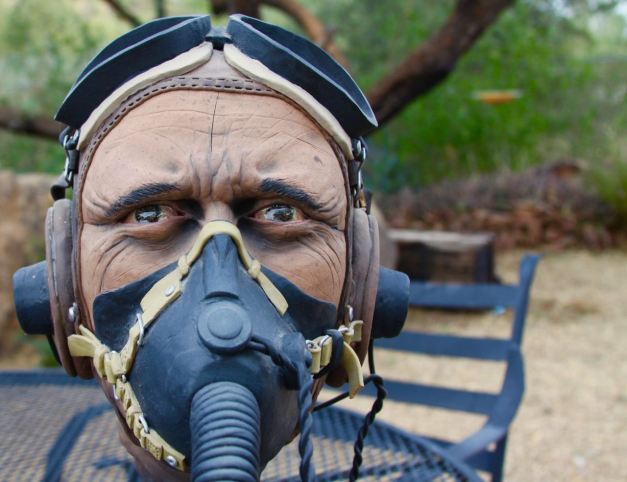
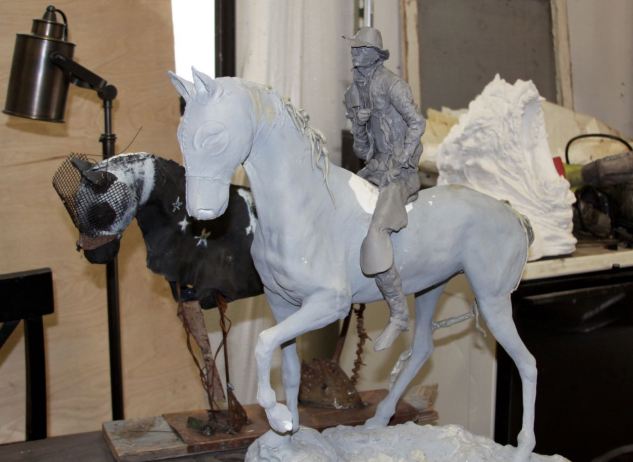
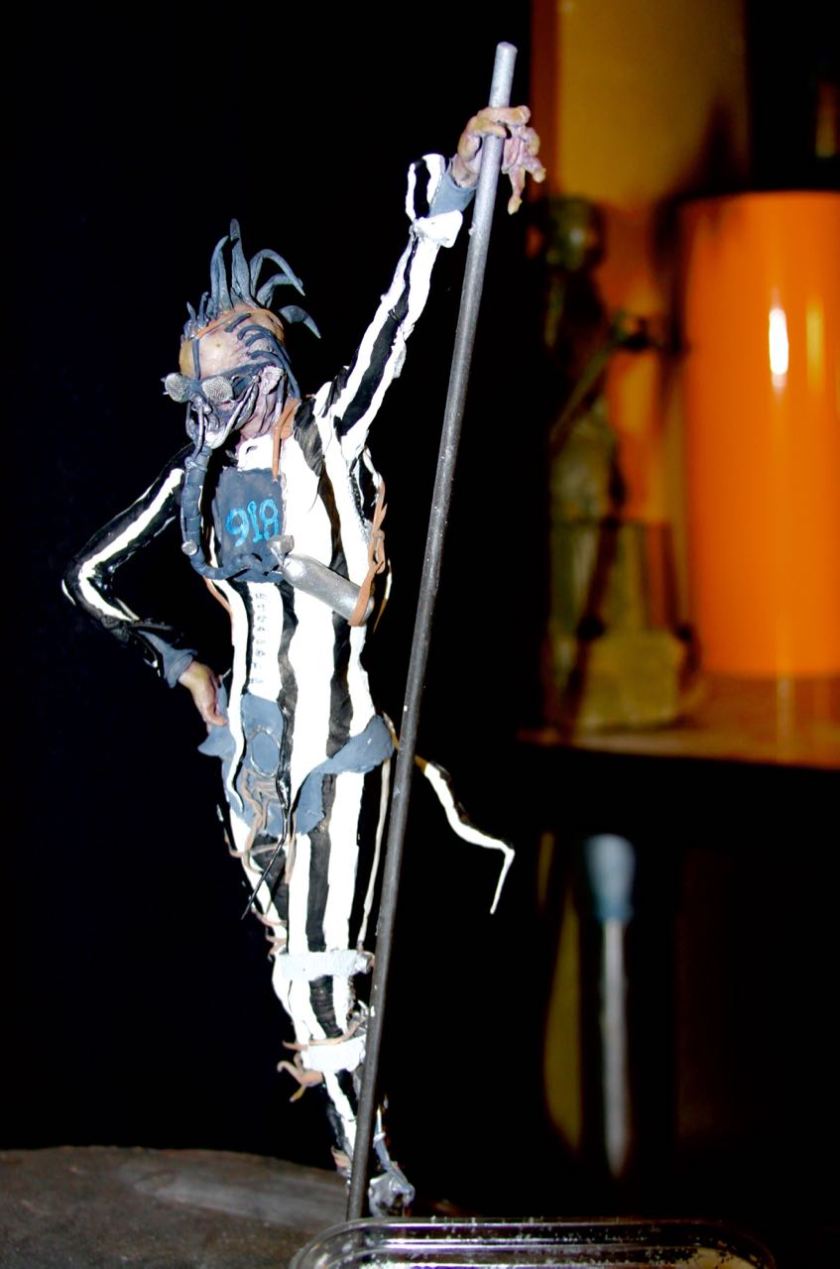
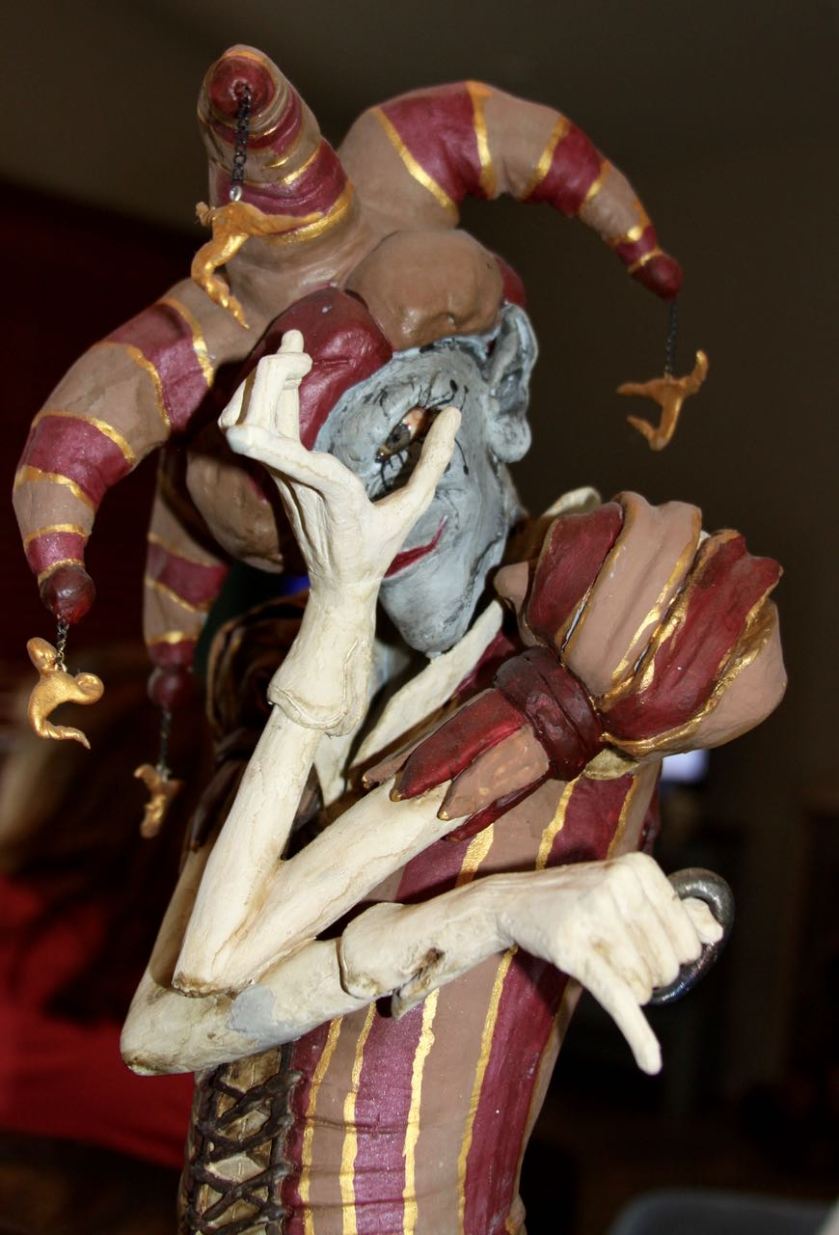
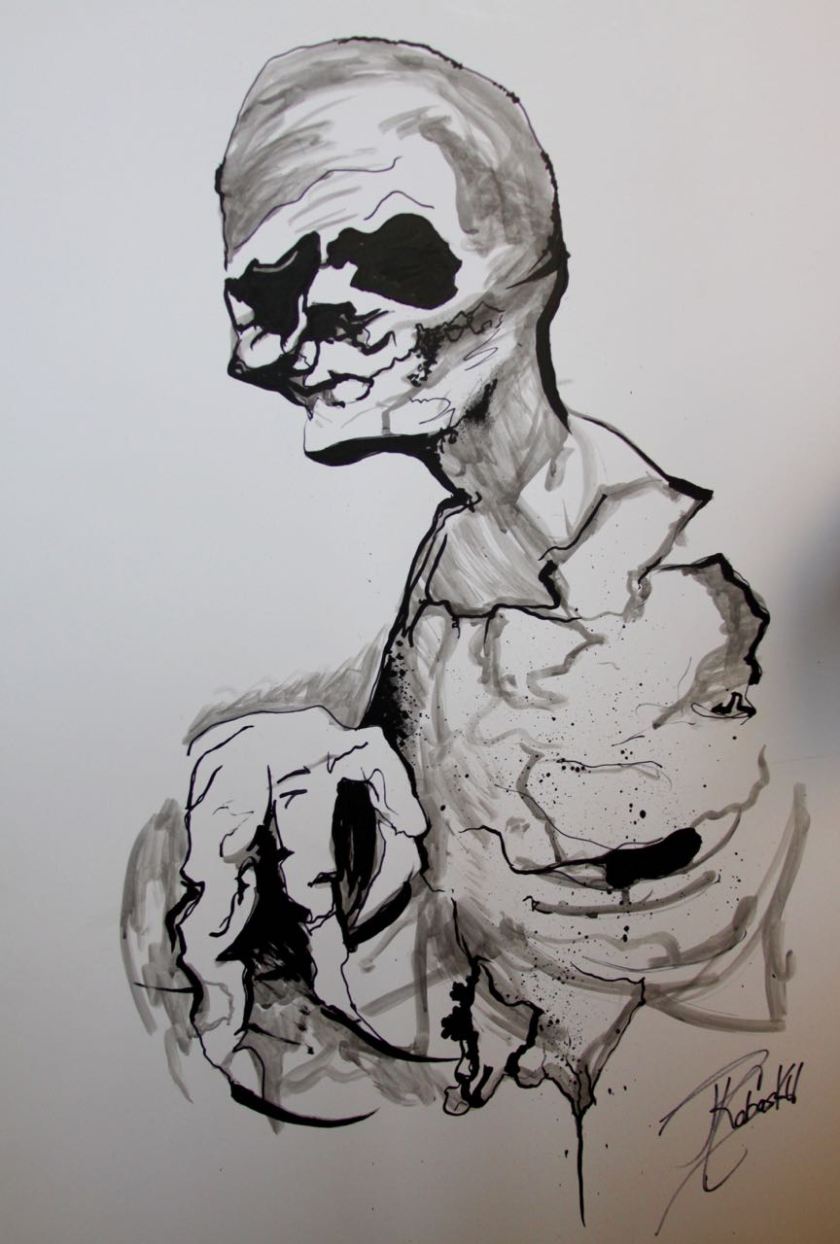
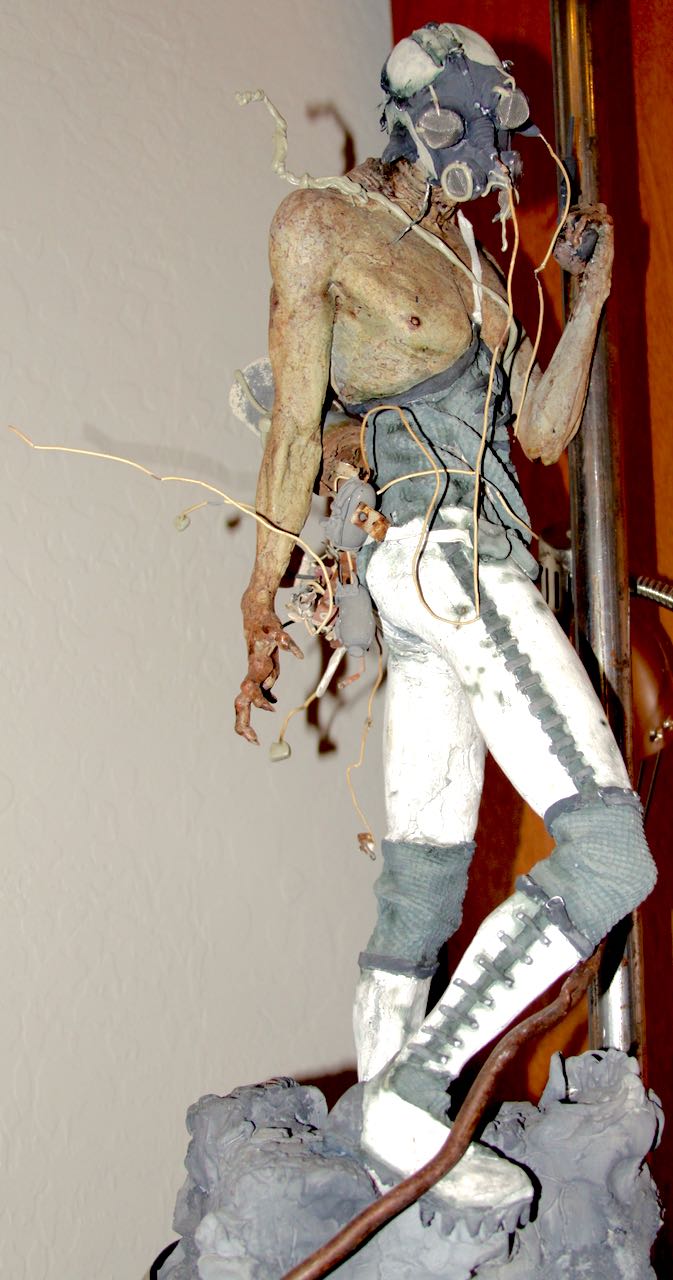
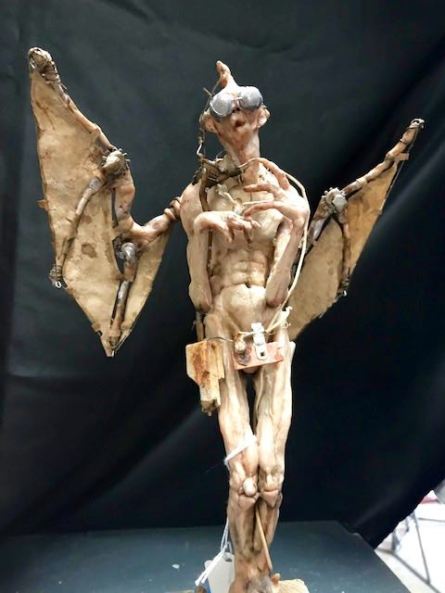
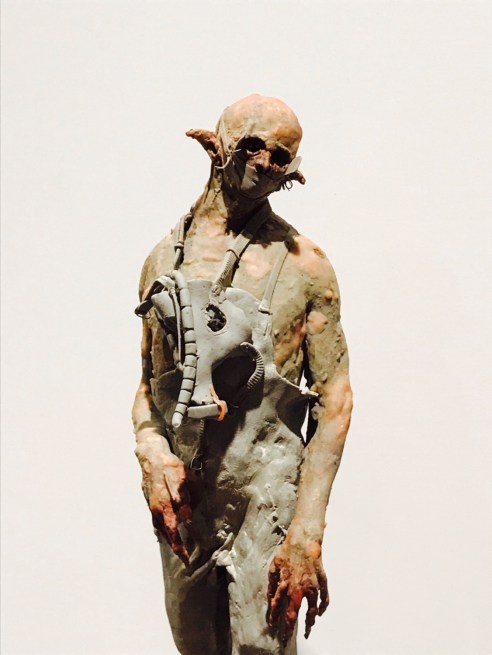
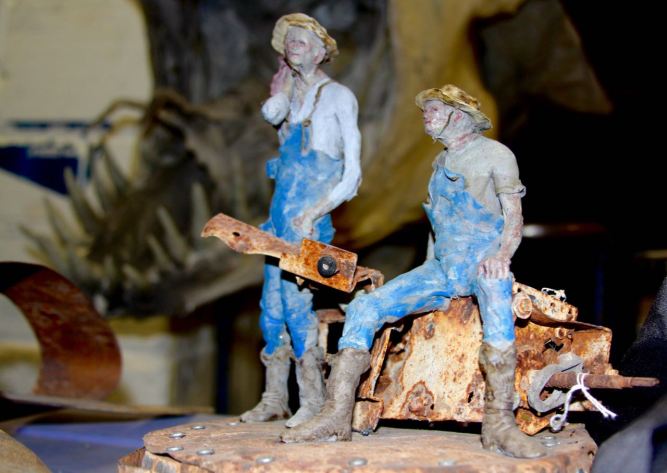
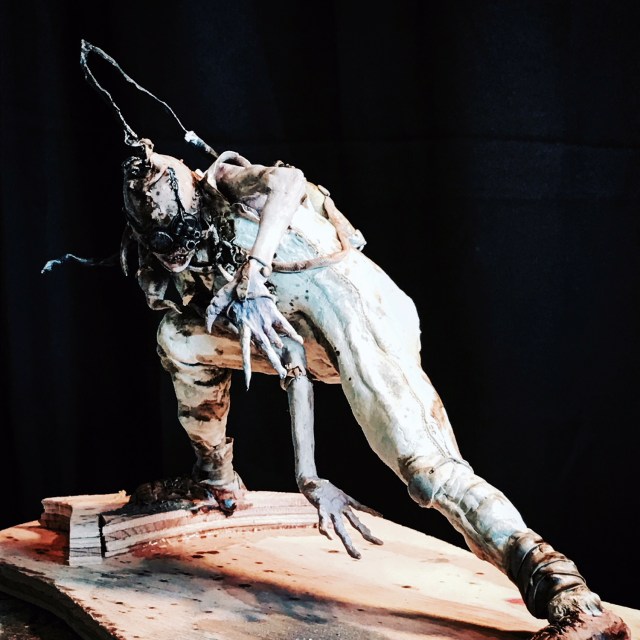
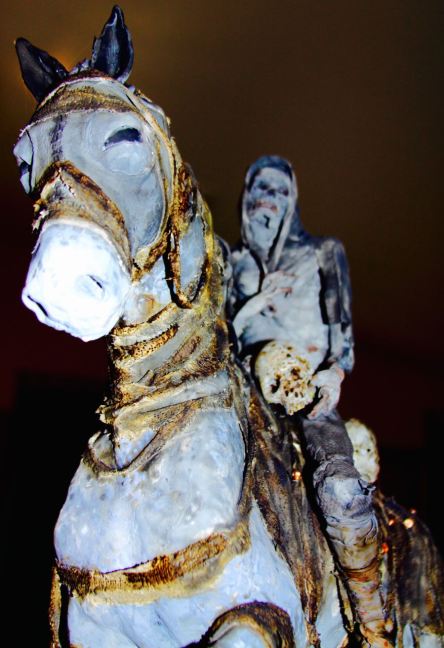
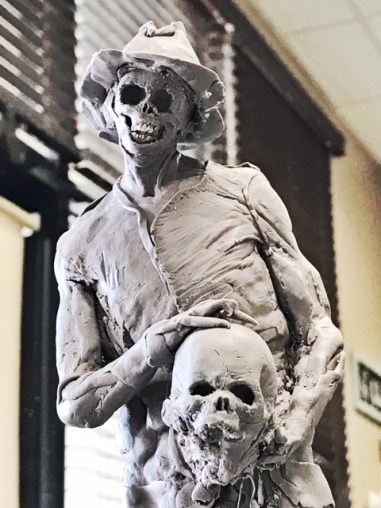
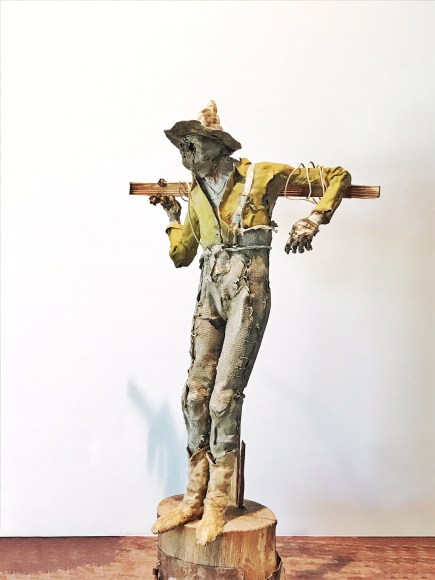
“Each figure is a character and I can you tell you their story,” Rob says about this army of 18-inch zombie warriors and skeletal cowboys, some with long, hooked noses and gnarled fingers, others with half-skeletal faces, all with a determined look to survive by wielding their “junk-yard” armor and weapons. “They all come from the School of Hard Knocks. Or else I’m purging some deep anger issues,” he laughs.

Gorgeously Grotesque

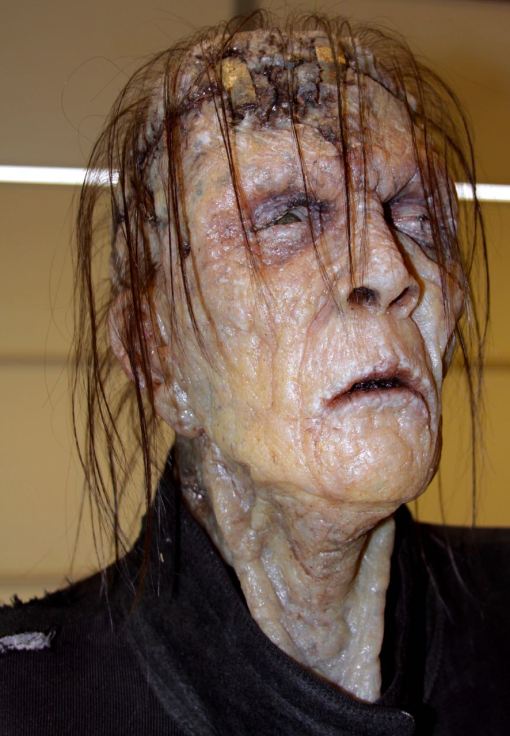
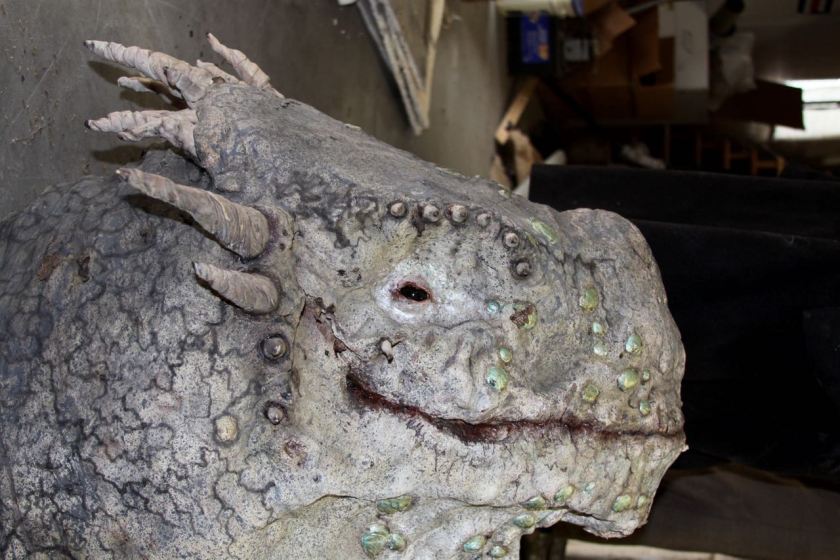
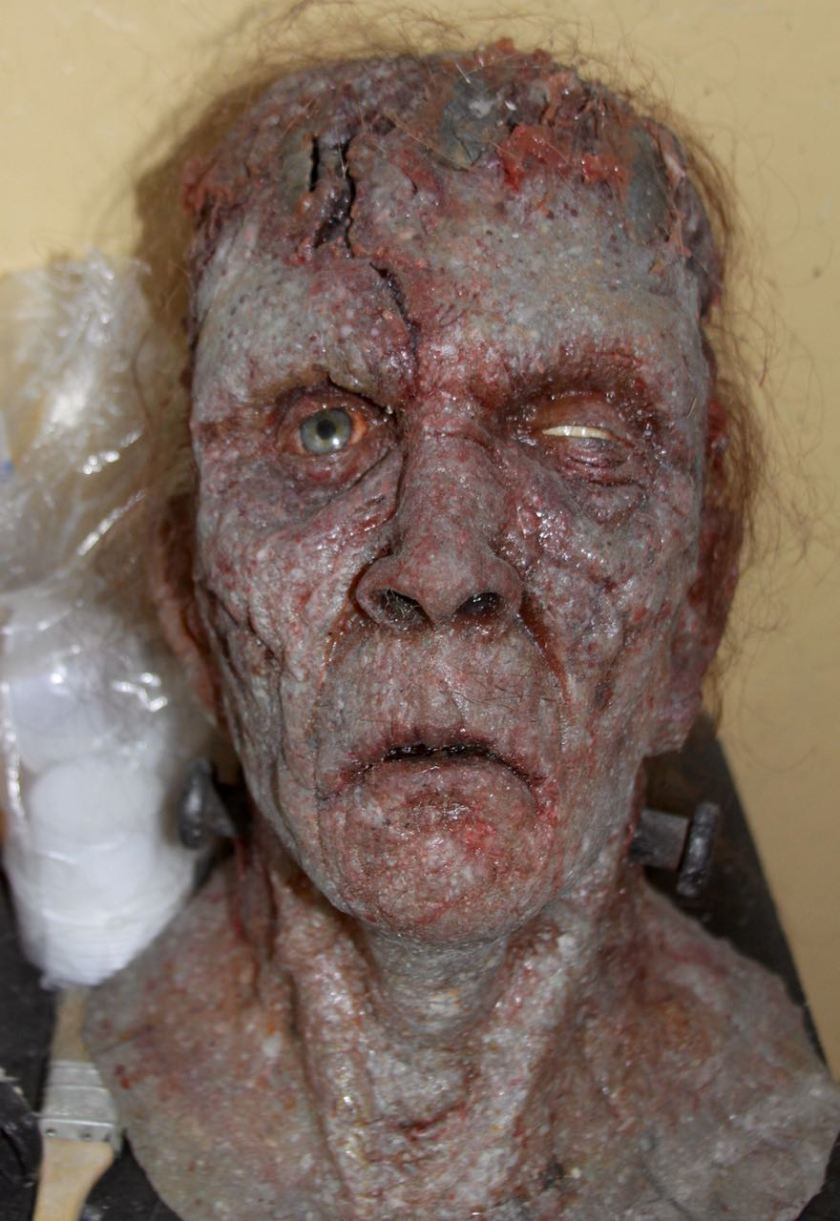
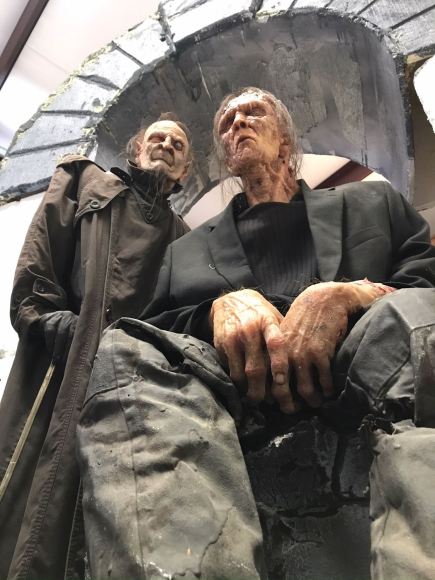
The first time I lay eyes on Rob, he’s sitting on a bench looking miserable, even though an 8-foot tall perfectly-rendered life-sized and life-like Frankenstein monster stands watch over him. Rob sits in the monster’s shadow by his tented sculpture gallery, which is sandwiched between a silversmith making exquisite contemporary pendants and earrings and a… well, I don’t see who the other artists are or what their pieces look like because once I start examining Rob’s ghoulish figures, I spend the remainder of our visit at Stop Number Five on the Hidden in the Canyon artist-studio tour amongst Rob’s macabre creatures, my mouth hanging open.
IMG_4144

If Rob looks temporarily miserable, I think, perhaps he is feeling like a fish out of water, his artwork under-appreciated by the average visitor. Me? My mind is blown and I’m not moving on. I lean in and study each piece, a different character sculpted from Rob’s imagination. My eyes follow the intricate lines of every face, hand and piece of clothing, some of which are actual pieces of fabric. The detail is exquisite even if the features are grotesque.

“Each figure is a character and I can you tell you their story,” Rob says about this army of 18-inch zombie warriors and skeletal cowboys, some with long, hooked noses and gnarled fingers, others with half-skeletal faces, all with a determined look to survive by wielding their “junk-yard” armor and weapons. “They all come from the School of Hard Knocks. Or else I’m purging some deep anger issues,” he laughs.
FullSizeRender

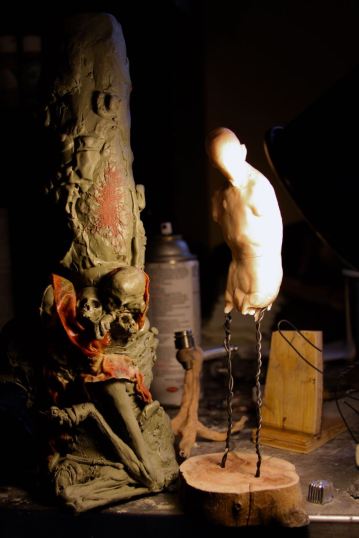
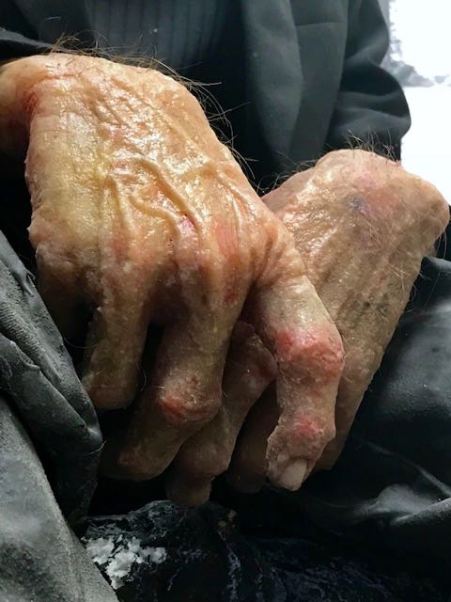
Rob sculpts the small, one-of-a-kind figures in Chavant clay, and he might paint certain parts of their clothing or armament. He also casts some larger pieces in silicon, like Frankenstein, whose skin looks so real with hints of red and blue veins, pores and hair, that when the sun shines through the stretched web of his hand, it glows like a human’s. Frankenstein has eerie, sparse hair flowing over metal pieces that realistically clamp the top of his head on. Even his large, black coat and pants are worn and frayed in just the right places.
IMG_3831

Frankenstein is marvelous, and so is Rob.

While studying the minute details of every work, all I can say is “wow” and “amazing,” yet Rob communicates beautifully about his process. When he talks about sculpting clay or casting silicon or resin, his passion is obvious; his hands dart and his eyes shine.

Not only has Rob perfected, through self-guided learning, the techniques needed to create his sculptures, he did it in his spare time while being a hair stylist the last 30 years. For 18 years, Rob owned his own shop, called Salon Designs. Now, Rob and his wife Anna, a nail artist, share space at a salon near Happy Valley and I-17 north of Phoenix. They like the arrangement. Between customers, Rob can sculpt.

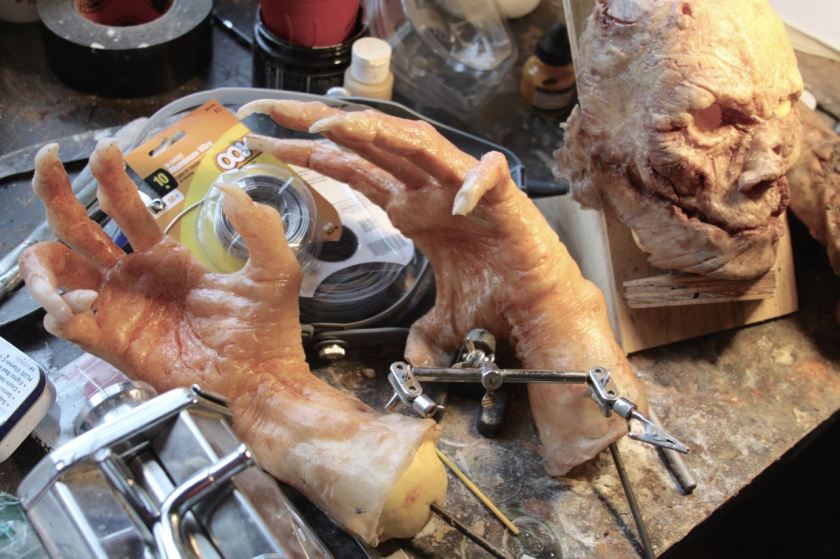
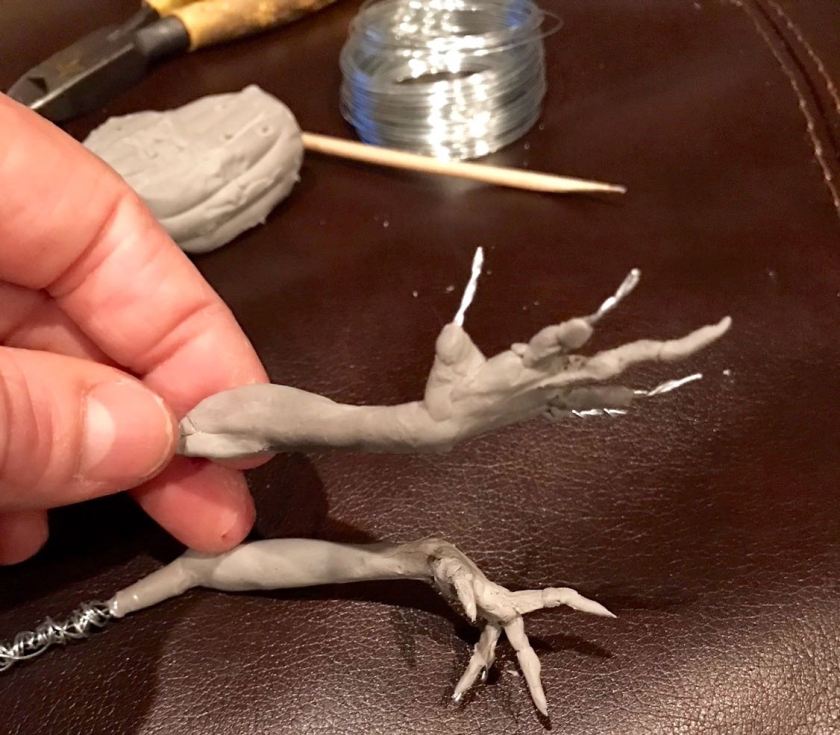
“Having a sculpture at work,” Rob says, “means I can take an entire day to work on one finger!” He’s not joking. The time he spends on the tiniest of details shows up and pays off. He studies bone construction, where muscle meets bones, to craft the second-most important feature of any figure, their hands. The most important feature is, of course, the face. But the eyes Rob crafts are incredible, too. Very real and moist and just-right red.

IMG_0978

“I’m Not lazy,” Rob says. Understatement! The amount of work he turns out is impressive, and it’s not all sculpting.

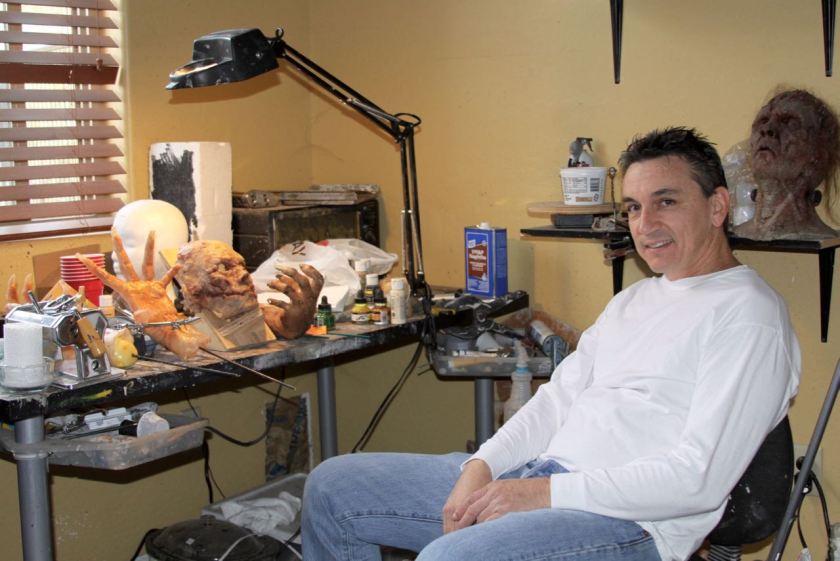
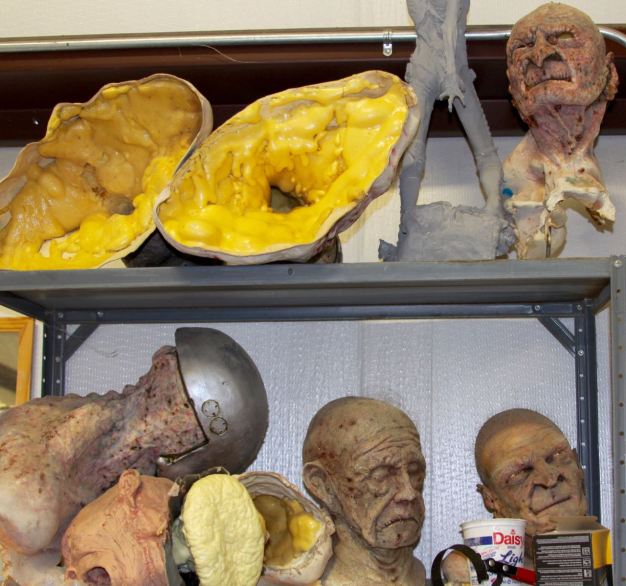
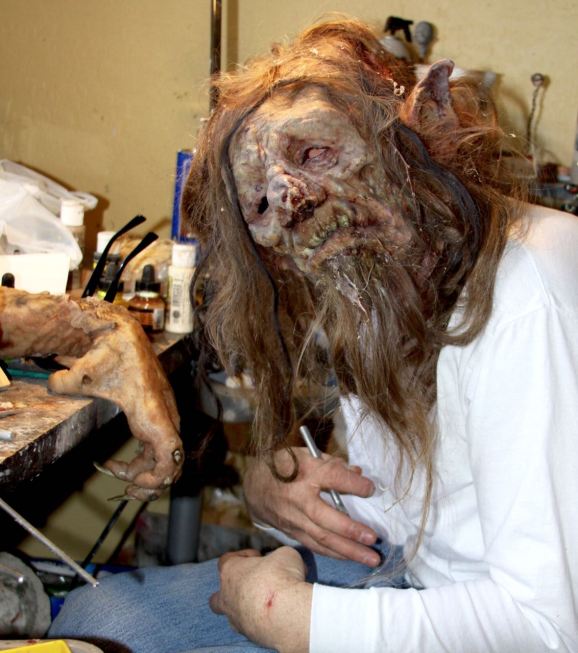
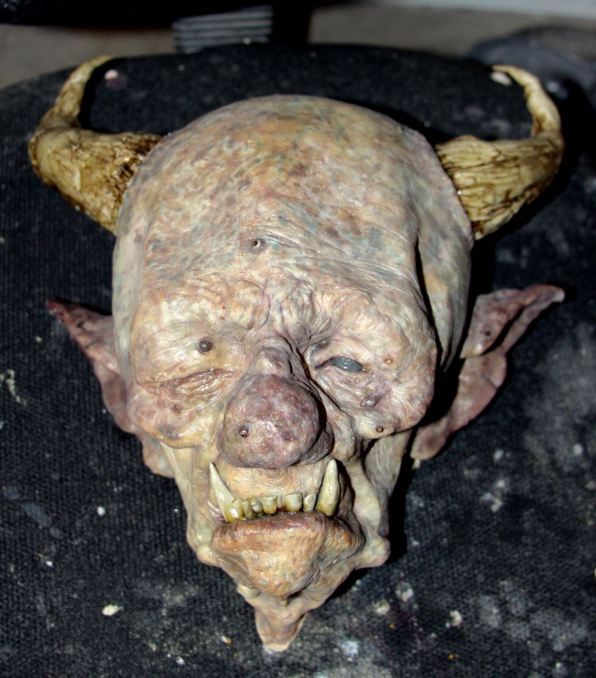
Rob built a large detached garage as his workshop. In the desert summer, when it’s too hot for the workshop, he retreats to a small room off his living room where he sits at a desk, with lots of good lighting, and sculpts, or paints, or attaches real human hair from his salon clients to his creations. The room is lined with shelves holding molds, silicon monster faces pocked with warts, and sculptures in various stages of completion. A torso sits in the center of the room, at child height, and a closet holds even more molds and heads and faces.
IMG_0944

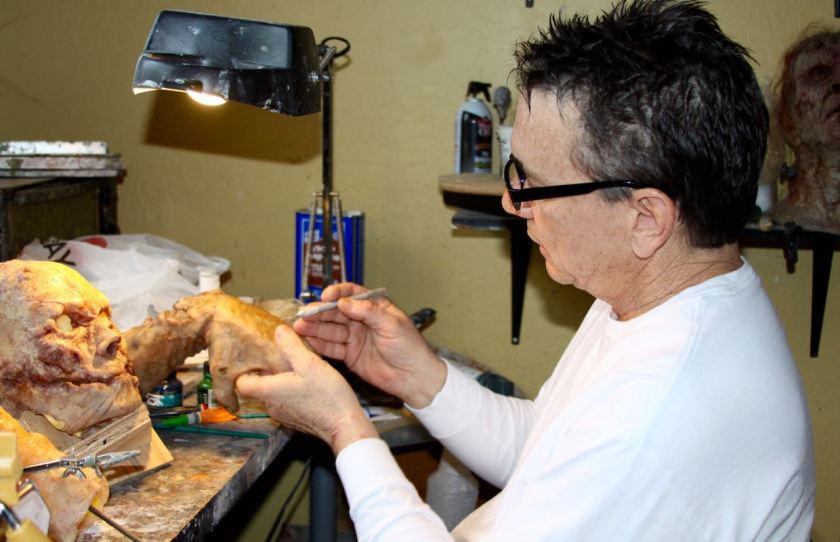
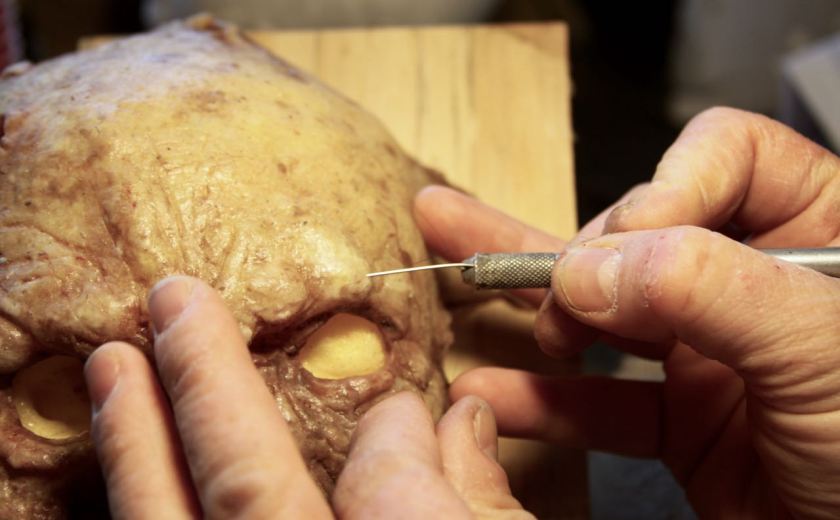
Rob demonstrates applying eyebrows to a silicon face. He clamps a sewing needle, point down, into an X-acto knife holder. He has nipped off the tip of the needle at the eye, leaving a u-shape in which he threads a human hair. Inserting the needle at an angle, like eyebrows naturally grow, Rob leaves the hair embedded in the brow and moves on to the next one. When all hairs are in place, he’ll trim them.
IMG_0887

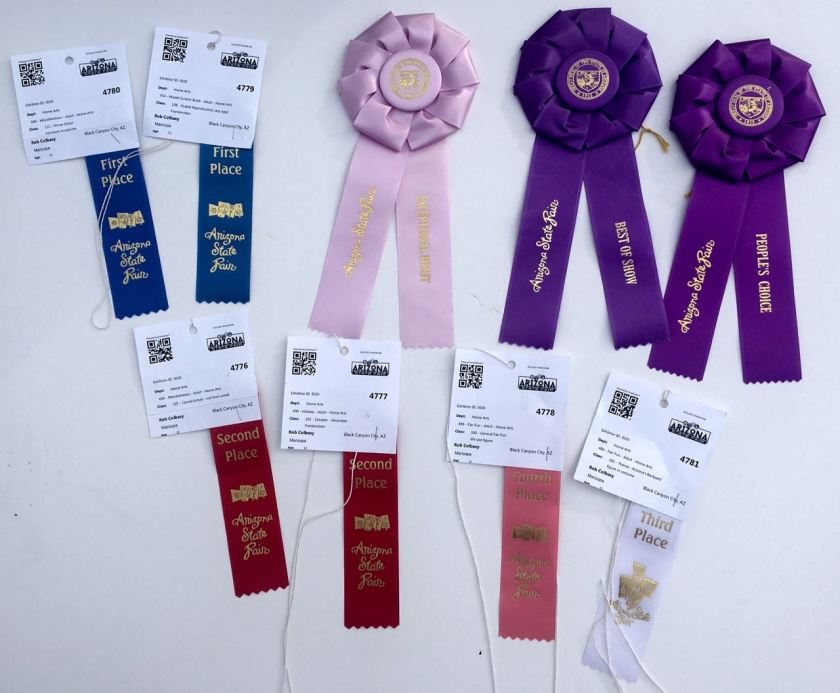
At the 2017 Arizona State Fair, Rob entered several pieces and wondered if the general public would understand his work. Well, let’s just say he swept the damn fair! And that’s after they weren’t even sure how to categorize his work. Most of his entries were listed as “Home Arts,” and the show organizer told Rob they will create a unique category for his entries in next year’s State Fair. He won two first place awards, two second place, one third place, one fourth place and a big pink ribbon for “Exceptional Merit.”
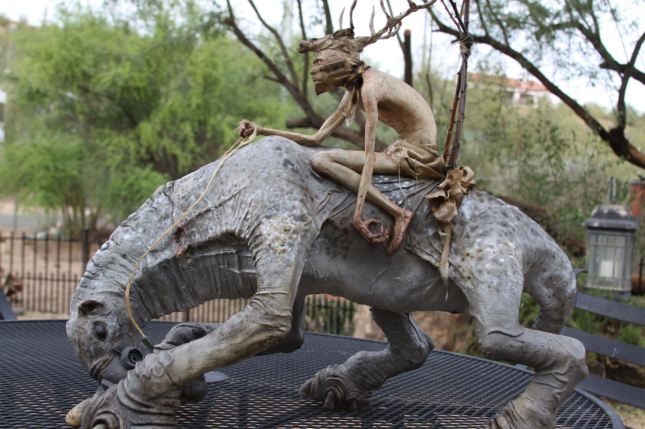
IMG_0926

But for someone who wasn’t sure where his work belonged, the category was irrelevant. In the end, he was awarded a big purple “Best of Show” ribbon and a big purple “People’s Choice” ribbon. Rob swept the damn fair.
IMG_2924

Rob sells his pieces through shows, galleries and retail shops, and he has a client base who buy multiple pieces to decorate their fancy homes, and who even commission work.
IMG_0891

Rob should be a make-up artist on The Walking Dead. In fact, he was selected to work as master sculptor on an independent short horror film called The Kiss, written and directed by Remi Vaughn. Rob’s sculptures will be used as art produced by one of the main characters in this horror/psychological thriller starring Caterina Murino and Sean Patrick Flanery. The project has been stalled by budget and distribution issues, and Vaughn is re-assessing the format of telling the story. Stay up-to-date on the film by visiting www.thekiss-movie.com.
IMG_0881

Rob also worked on Sweet, a short horror film shot in Mesa, Arizona, in 2014, about vampire cowboys based on Stephen King’s Skinner Sweet short story. Rob made the hands and face for the lead character and he also played a couple of parts. Check it out on Youtube to see his low-tech solution for having a bloody human heart beat in Sweet’s hand.
IMG_0362.JPG

On Rob’s To-Do List is making fully-functioning hands using 3-D printed bones on which he sculpts organic-looking details. He’ll do it. Rob ultimately completes his projects, which are many. A giant T-rex head, molded from paper, masking tape and a bed sheet, rests in his workshop, waiting for final finessing. Half-completed sculptures sit here and there.
IMG_0893

“There’s a freedom to living the dream,” Rob says, “and being able to jump from project to project.” His mood leads the way. In addition to being a great artist and a talented actor, he also has rhythm.

In his younger days, Rob was a drummer, playing in several bands, such as The Bashers and Right Side Up, rehearsing four nights a week for four hours. When his band was interviewed on TV, he was asked what he wanted to do with his career. Rob’s answer was, “Be a pilot.” He laughs remembering his answer then, which had nothing to do with music and playing in a band.

Sometimes late at night, when he’s concentrating on his art, Rob will crank up his favorite groups; Type O negative, Primed, Ozzy Osbourne or Rush.

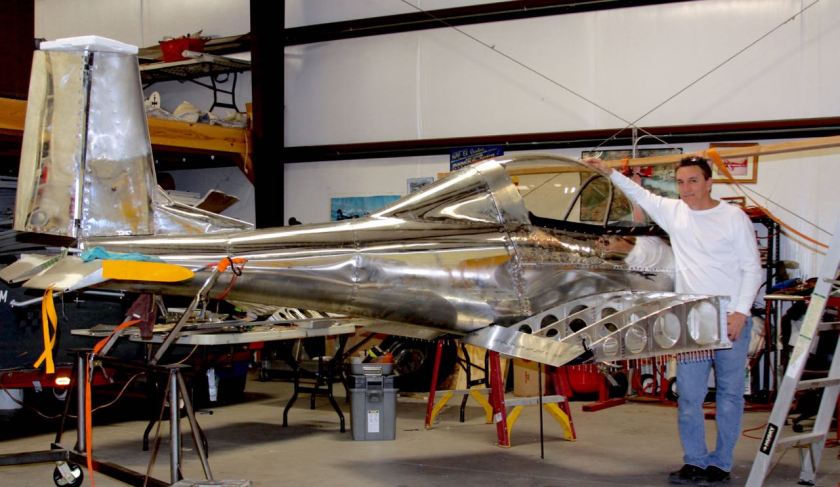
But, Rob is as obsessed with aviation as he is with monsters and his dream to be a pilot came true. Currently, he’s building from scratch a Hummel Bird aircraft designed by Morry Hummel (of Hummel Aviation of Byran, Ohio).
IMG_0931

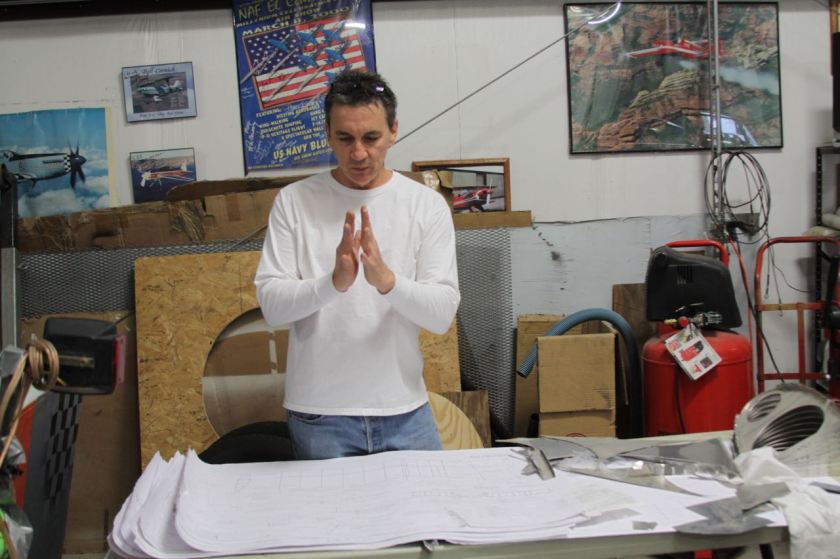
Rob is crafting each piece by hand (except for the wing ribs). Otherwise, he fabricates the aluminum pieces and other parts according to detailed sketches on 40 pages of plans provided by Hummel Aviation.
IMG_0941

“I’m cutting two cylinders off a Volkswagen engine,” Rob says. “It will be a two-cylinder, four-stroke half-VW aircraft engine, weighing about 84 pounds and ramping up to 47 horsepower.”

Rob talks about crafting a monster to sit atop his Hummel Bird airplane and then entering the plane/monster “sculpture” in next year’s Arizona State Fair. Get ready for another sweep!

One man’s daunting task is another man’s pure joy.


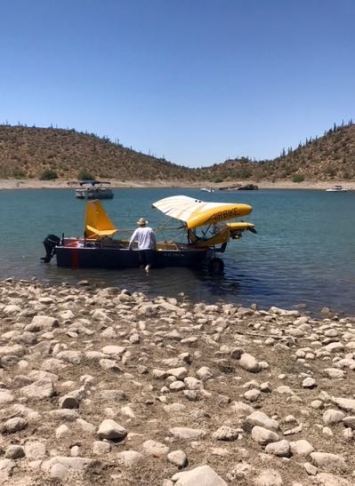
While flying recently, Rob had to make an emergency landing on the east side of Lake Pleasant in his Error Bike plane (which he bought already put together). The engine in the yellow and white plane ate a piston, stranding Rob at the lake. Anna came to the rescue with Rob’s hand-made boat, in which they promptly scooted across the lake to his stranded plane. He put the yellow and white plane on his wooden boat, carried it back across the lake and on to home for repair.
IMG_6350

He’s usually quite proficient at flying. In 1999, Rob took first place at the Arizona State Aerobatic Championship.

When he’s flying, Rob will spot coyotes or interesting items he might want to pick up when he’s back on the ground. One find was an antique french door which Anna converted to a tabletop, refinished to match the table base and topped off with a thick sheet of glass. Very shabby chic.

But let’s get back to that hand-made wooden boat. Rob has made three boats in the last couple of years. The first one is a shorter version, something of a prototype with which he could experiment. When that boat turned out well, he built a larger one out of plywood.

Unfortunately, returning home from Lake Pleasant after taking the boat on its inaugural run, Rob’s truck attracted a burro like a red cape attracts a bull in Spain. Burros that live around the lake and are protected by Arizona Game and Fish are known for being testy, and vocal. They can create issues for recreation seekers like Rob. This particular male charged Rob’s truck, ran into the side of it and ended up under the boat trailer, wrecking everything and demolishing his new boat.
IMG_0903

Shaken but not deterred, Rob built a second boat out of plywood from Home Depot. He spent $250 on supplies and proudly says, “it catches fish like a $65,000 bass boat.”

Rob grew up in Phoenix in the 1970s, riding his bike to the end of his paved road where desert started. “As a kid,” Rob says, “I loved looking at monsters in magazines, comic books and the movies.” He began sketching and sculpting in his teens.
IMG_0967

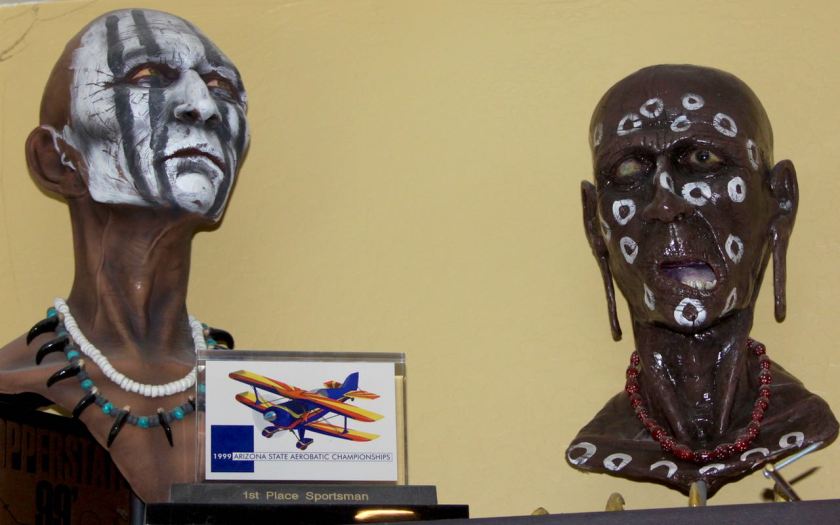
As a senior in high school, Rob recalls a cowboy showing interest in his paper mache sculptures. One was of a Native American man wearing a necklace of real coyote teeth. The man wanted to take three of Rob’s pieces to the Art Institute of Chicago, to be considered for a show. “I met him in the parking lot where I would later own a hair salon,” Rob says. “I remember putting the sculptures on the hood of my truck for the man to inspect. He left with those sculptures and I never saw the sculptures or heard from him again.”
IMG_0946
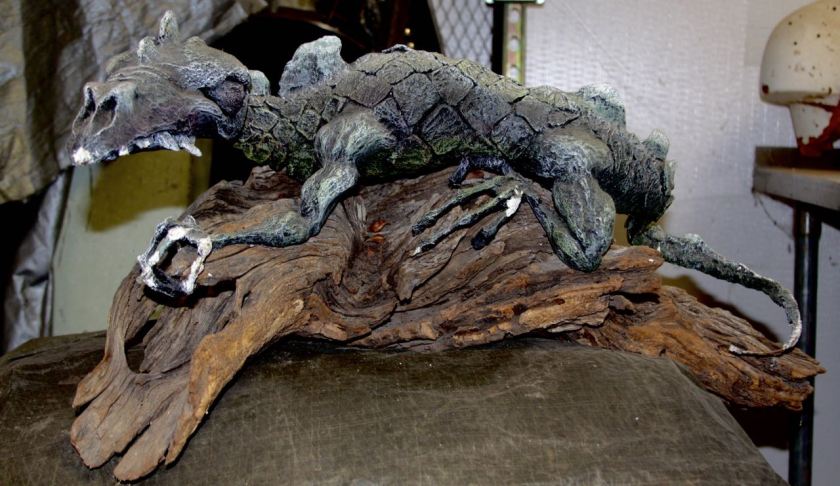
Rob sculpted this creature from paper mache when he was in high school.

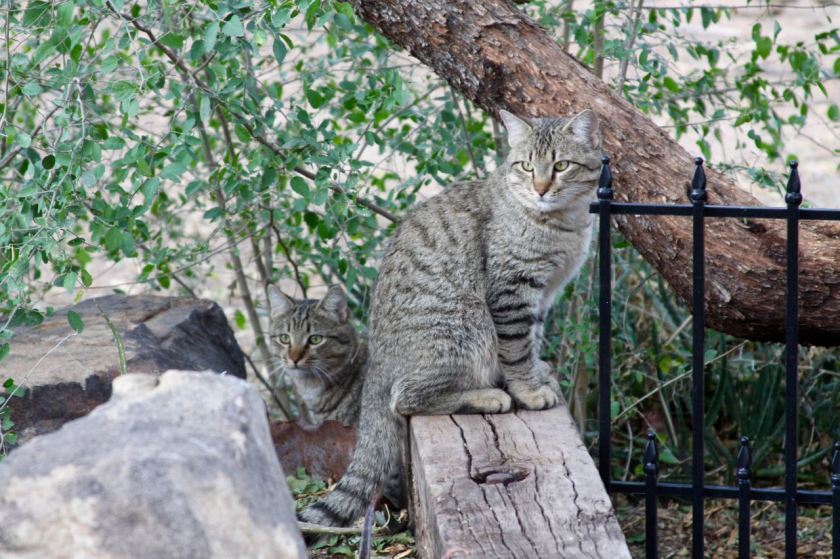
Older and wiser, Rob and Anna, his wife of 16 years, now live in Black Canyon City, about 25 miles north of Phoenix, with their cute little dogs, Addie and Lacey, and two gorgeous feral cats who appeared in their backyard as kittens and decided to stay (the food Rob and Anna leave for the cats is a good enticement).
FullSizeRender.jpg (1)

Being practical, Rob plans to keep his day job. “I won’t kick that bee hive,” he says. Cutting hair provides a stable foundation from which he can stretch his artistry in new directions and even in new places.
IMG_0898

“For me,” Rob says, “the creative process is like throwing dice down on a table. Each throw comes up with a different result, and following one dice often takes me off in a new direction.” Rob’s fingers scurry across the coffee table as he speaks, showing the adventure of going down the rabbit hole of creativity.

Rob’s is a talent and an energy that can’t be contained. No limitations.

YouTube University continues to be Rob’s source for everything he wants to learn and do. When it comes to his sculptures, big and small, he’s adamant that “it has to be horror.” 

Three years ago, Rob and Anna trekked to Monsterpalooza in Burbank, California, to check it out and see if he might want to participate in subsequent years. But they couldn’t even get in! After only 40 minutes of being there, they returned to Arizona. Rob doesn’t worry about being in with the art world or even cognizant of artists considered master monster crafters. He’s on his own path, following his own aesthetic, exploring and learning new techniques and new mediums. It’s simply what he does with his endless energy.
IMG_2707

At the Phoenix Comicon this year, a long line of young and old people waited to have Rob apply bloody flesh wounds to their faces, hands, knees and elbows. Rob donated The Terminavigator, a large torso piece, to be raffled off to benefit a local no-kill animal shelter. A lucky female scientist from California was delighted to win the sculpture.

Rob recently joined a Facebook group for people who work on horror movies. He’s making connections and expects to travel to Hollywood soon to meet folks face-to-face, laying the groundwork for being considered for future projects.

“I’m transparent about my skills,” Rob says about getting exposure for himself and his work. “I’m opening myself up – heart, mind and soul – to other people, laying bare my abilities and dreams.”
IMG_1303

I’m using words like ghoulish, macabre and grotesque to describe Rob’s figures. Yet, they elicit compassion rather than disgust. Their faces reveal them as victims, not the bad guys. They’re pulling together their broken spirits and their broken bodies and riding on, or stumbling on, their dignity intact. They may look like monsters, but Rob has embedded a humanity in each, and given each their own story, their own struggles. They won’t quit, and neither will Rob.

He has the usual self-doubt of any artist and sometimes he’ll ask himself the usual questions; Why am I doing this? Does anyone really care? Do people understand my work?

“I do it because I want to,” Rob says. Let’s hope he’ll always wants to.

Gives the rest of us something to live for.


GALLERY
IMG_4154

IMG_0957
IMG_0922
IMG_0880
IMG_0873
IMG_0895
IMG_0970
IMG_0928

IMG_0894

IMG_0971

IMG_0911

IMG_0905

IMG_0901

IMG_0882

IMG_0874

IMG_0975 (1)


References

Sweet: https://www.youtube.com/watch?v=ySZWBVGnITs

Instagram: https://www.instagram.com/robcobasky/

Facebook: https://www.facebook.com/ArtStudio918/ & https://www.facebook.com/josephrob.cobasky?fref=search

Rob pilots a Quicksilver Sport 2S over the mountainour Sonoran Desert, trailing Rich Parker: https://www.youtube.com/watch?v=MQ9DyZHdmms

Introducing Rob Cobasky, sculptor on The Kiss movie

https://vimeo.com/110074290

Needles and Canvas

Exploring needlepoint artists such as Janet Haigh and Kaffe Fassett as I dive into needlepointing with no training.

Art and the Importance of Trying

Wanting a lap project to work on while watching TV, I pulled a needlepoint canvas out of my closet and studied it. Not knowing anything about needlepoint, I watched a few how-to YouTube videos, found an embroidery needle, calculated that the six-strand embroidery floss already in my studio would work with the gauge of the canvas, and started needlepointing! 

Needlepointing seemed so mysterious; I thought I’d need an expert to tell me what thread to use, what size and how much, etc. But the need to create won out over more careful planning and without even sewing frames to the canvas to keep it square, I started running that needle in and out on the diagonal, fascinated with the smooth yet textured result.

I bought the canvas several years ago from artist Linda Holman Carter (carterholman.com) at the Litchfield Arts Festival. I love her colorful style of painting women and farm animals. The hand-painted canvas, at $50, seemed reasonably priced, even if I didn’t know how to needlepoint. It felt like a “retirement” project, one I’d be able to dive into and learn about when I had time. 

I also bought a 12 x 5.5 inch signed and numbered print of Holman Carter’s “Corn Maiden” painting. It’s framed and hanging in my art studio. Linda always sketches a little chicken next to her signature.


thecornmaiden
Linda Carter Holman’s print “The Corn Maiden” hangs in my studio.

I’ve searched Holman Carter’s website and am unable to find the name of the painting-turned-needlepoint-canvas shown at the top of this blog. The illustration of a woman at a garden table is 12 x 12 inches. You can see areas of open mesh that still need to be filled in, like the fish bowl, white lines on the tablecloth and the book she’s reading. I’ve made plenty of mistakes (using wrong colors, not keeping it 100% square, handling and mushing some of the completed areas) but that’s how we learn new things, right? 

While searching for another Carter Holman needlepoint canvas to work on, I came across some YouTube videos of artists who design needlepoints for Ehrman Tapestries.

What a glorious few hours have been spent viewing videos of these artists and dreaming over their offerings on Ehrman Tapestries website.

My favorite video is about artist Janet Haigh and her glorious Cre8-space, a fun workshop in Somerset, England! I watch Janet’s video over and over to hear about her creative process and see all the goodies she has created in many mediums, not just needlepoint designs. The video’s production quality is superb.


Janet Haigh Studio

Janet’s blog is also a treasure. She’s fascinated with textiles and started Heart Spaces Studio, “a place for all things textile,” where workshops are held and artists lease Cre8-space. On her blog, Janet shares works by other artists as well as photos showing her own pieces in progress.

Wanting to see artists in their personal Cre8-space, I quickly viewed the other perfectly-produced videos of Ehrman designers, like Margaret Murton, who is quite proper, Candace Bahouth, who is a little boho, Kaffe Fassett, who is a color-inspirationist, and Raymond Honeyman, who you just want to move in with and feel the calming and perfect blend of his masculine/feminine home decor. 

Here are samples of each artists’ work featured on Ehrman Tapestries website. Janet’s pieces are on sale now! I have a wish list going.


Janet’s Cre8-space video of her lovingly-crafted art remains my favorite. If you only have time to watch one, make it hers, and I hope you forget the rest of the world as you view it! (If you find a little more time, watch Raymond and then next Kaffe!)

Needlepoint isn’t hard and I encourage anyone with a passion for textile and needlework to give it a try. Kits can be expensive, though, so shop around… and wait for sales. I have so much more to learn about Needlepoint, Learn from my mistakes with these tips:

  1. Stretch your canvas before beginning. You can easily see how my Carter Holman canvas is skewed because I didn’t have the patience to stretch it before I started working on it.
  2. Cover your canvas when you’re not working on it to keep dust and other things (pet hair) from settling on the fibers.
  3. Wash your hands frequently when working and avoid touching stitches already in place, to eliminate soiled or worn-looking threads.
  4. Unless you have a stash of threads, I recommend buying kits that come with yarns, then you know the colors are exactly what the designer had in mind.

Below is my most recent project, purchased from Got Needlepoint?. I follow them on Pinterest and receive Brenda Stimpson’s e-newsletter via email, but you can do either/or because the same information is shared in both places (though it’s fun to see Brenda’s latest travel adventures and her needlepoint finds).


IMG_2741
My current incomplete project: a 10 x 8-inch printed design.

Chasing Georgia Ghosts

In Search of Flannery & Alice

It’s Labor Day and you better believe traffic headed north on I-75 toward Atlanta will be thick, possibly even crawling. So I take a trick from Mama’s playbook; avoid the interstate on my way to the Atlanta airport. I steer my rented Altima northeast toward Macon, intent on traveling 2-lane blacktop highways and taking an impromptu literary detour.

Destination: Andalusia Farm in *Milledgeville, Georgia.

Flannery O’Connor lived with her mother, Regina, at Andalusia Farm from 1951 until her death from lupus in 1964 (I was one year old). I’ve been wanting to stop by Andalusia for a few years, every time I travel back to Georgia to visit family, but it has never worked out.

Flannery is best known for her Southern Gothic tale A Good Man is Hard to Find, plus many other short stories and novels.

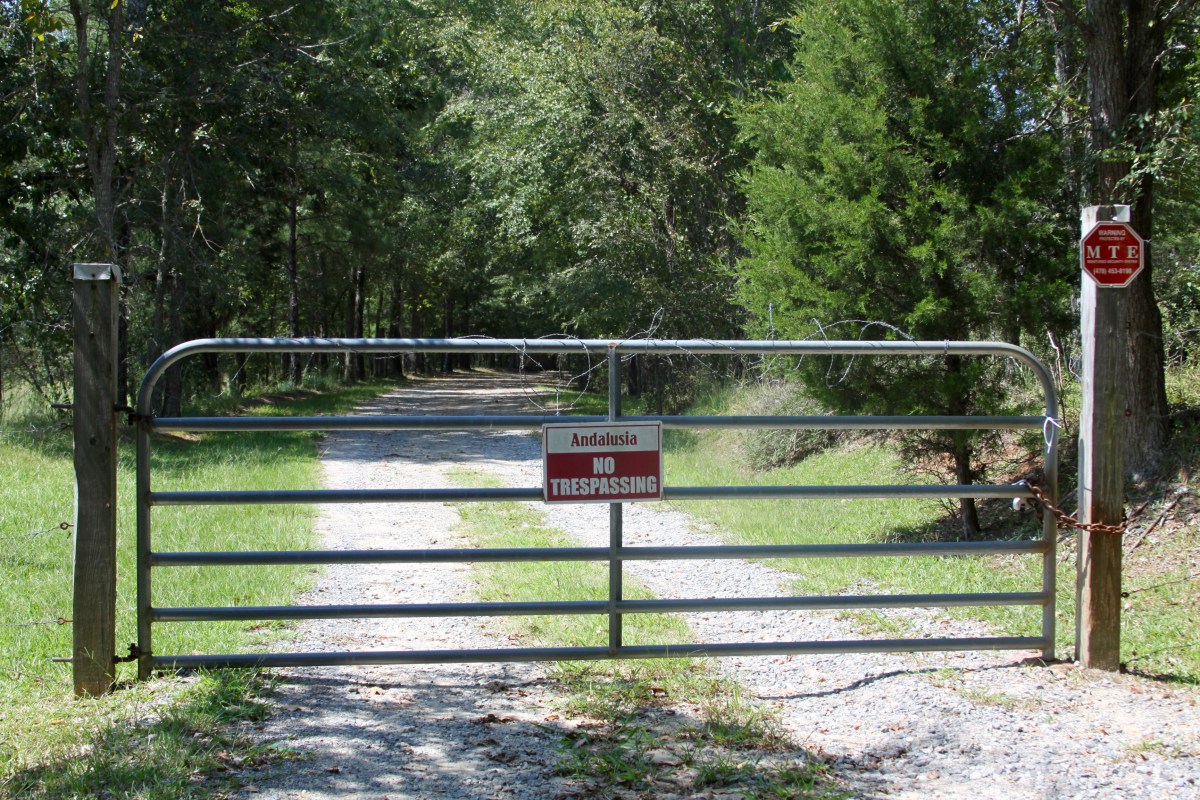
From Warner Robins, it takes an hour and 15 minutes to find the house on N. Columbia Street, a well-trafficked four-lane highway. When I turn into Andalusia’s drive at 2628 N. Columbia Street opposite Butler Ford, America’s Best Value Inn and Badcock Home Furniture, a locked gate with a “no trespassing” sign cuts my trip short. 

I had checked the website before setting out and knew the house was closed; I just couldn’t resist stopping by in case, through some miracle, it was accessible. The only content on andalusiafarm.org had read:

“We are hard at work readying Andalusia for its reopening as a historic house museum at Georgia College. During this transition, we will be temporarily closed to the public. Information on the reopening of the museum will be posted on this site, and our social media pages. Thank you for your continued support!”

I later learn that just the month before, on August 8, a small celebration was held at the house when the Flannery O’Connor Andalusia Foundation gifted the Andalusia house to Georgia College and State University, whose campus is only four miles away. Flannery is an alumni of the college. Watch a short video here.

Garden & Gun magazine published a September 22, 2017, article titled Flannery O’Connor: Under New Management about the house getting a new start with Georgia College. Here’s a photo of the house credited to the college that ran in Garden & Gun.

Andalusia
Andalusia home where Flannery O’Connor lived until her death in 1964.

At the locked gate, I think maybe I can at least see the house from the drive, perhaps spot one of the peacocks strolling through the yard, generations removed from the ones Flannery used to raise here. 

But, no. Another sign indicates the house is two miles away, too far to see beyond the trees surrounding the drive. Looking at the property on Google maps gives you a feel for how peaceful the area is. Although N. Columbia Street is also busy U.S. 441 highway, the tree-dotted land immediately surrounding Andalusia is undeveloped.

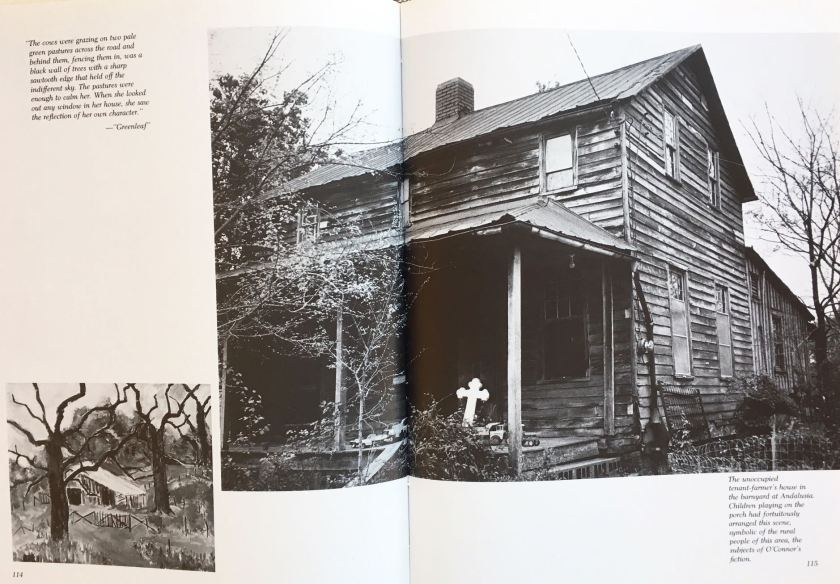
Liking Andalusia’s Facebook page is as close as I’ve gotten to seeing the house in the 21st century. While there isn’t a ton of information on the FB page, there are photos of renovations to the Hill House (called “the tenant’s farmer’s house” in the first black and white photo below) that started in 2011. 

Writers in Residence: American Authors at Home, published in 1981, contains images of homes and writing spaces of writers from across the U.S.

Glynne Robinson Betts traveled widely to write the content and take the photos. Often, she was given tours by the authors themselves, but at Andalusia, Mrs. Regina O’Connor was her tour guide. Here are the resulting pages.


IMG_2727


IMG_2728


IMG_2729


It’s telling that all but one of the photos are of the exterior and the land; most people know that “place” is as much a character in Southern writing as are the people. In her book, Betts writes this about Flannery: “In her book-lined bedroom on the ground floor of the farmhouse, her desk turned away from the inviting front windows, she wrote about the country people of the Georgia Bible Belt, their strengths and peculiarities.”

When Georgia College re-opens Andalusia Farm, I’m coming back to see that bedroom and, hopefully, that writing desk!!

Alice Walker

Undeterred, I put “Wards Chapel Road” into google maps on my iPhone and drive 15-minutes to where Alice Walker grew up just outside of Eatonton, Georgia. 

Along Wards Chapel Road are: 1) the place where Alice was born on Feb. 9, 1944, to her sharecropper parents, Willie Lee Walker and Minnie Lou Tallulah Grant; 2) her family home, called Grant Plantation; 3) the Wards Chapel cemetery where her parents and other ancestors are buried; and 4) the Wards Chapel A.M.E. church which Alice attended.

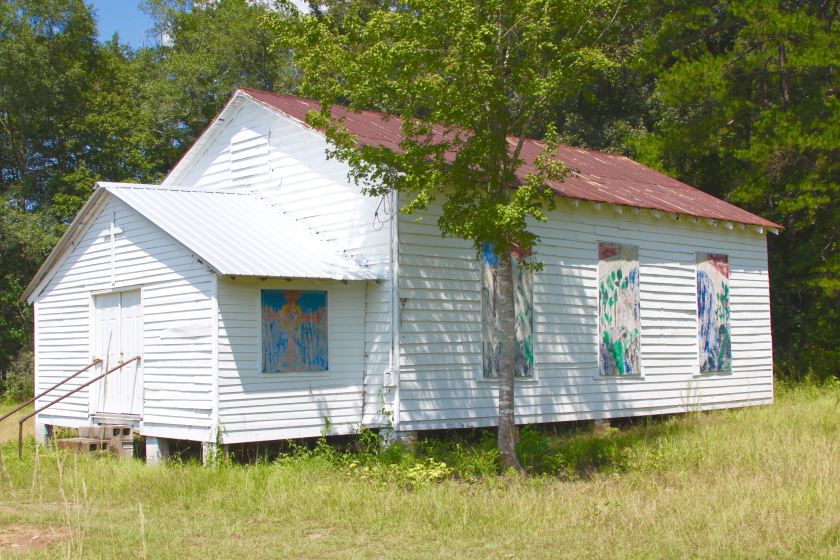
I drive up and down the road, twice, looking for signs of her birthplace and homes, but can only find the church, obviously unused now, but neatly maintained. I imagine what it was like for Alice and her family to walk to the tiny church each Sunday on a once-dirt road in the segregated South. 


IMG_0816
Wards Chapel A.M.E. Church near Eatonton, Georgia, where Alice Walker attended.       Alice wrote, “Any God I ever found in church, I brought in myself.”
IMG_0814
Sign in front of the Wards Chapel A.M.E. Church.

Alice is best known for writing “The Color Purple,” which won a National Book Award and the Pulitzer Prize for Fiction. While she’s a talented and award-winning writer, Alice did so many other amazing things.

She married Melvyn Leventhal, a white civil rights activist in 1967, the year the Supreme Court struck down laws banning interracial marriage on June 12. Alice and Melvyn were brave to live in Mississippi. Her book The Way Forward is with a Broken Heart, published in 2000, is a quasi-fictional portrayal of that marriage. The book “opens with a story, merging fact and fiction, of my version of our life together,” she writes, “when we lived in the racially volatile and violent Deep South state of Mississippi.”

Alice was later an editor at Ms. Magazine and went on to become a professor at Brandeis and Berkley Universities, and wrote several more novels and collections of poetry.

Alice’s mother, Minnie Lou, a well-known gardener in Eatonton, once said, “A house without flowers is like a face without a smile.” And Alice once said, “In search of my mother’s garden, I found my own.” She even wrote a book of essays, articles, and speeches entitled In Search of Our Mother’s Gardens: Womanist Prose.

In 1974, Alice and Minnie Lou visited O’Connor’s Andalusia Farm where Alice was delighted with the peacocks. The Southern Literary Trail website describes an interaction between mother and daughter. “[Alice] said the peacocks in O’Connor’s yard ‘lifted their splendid tails for our edification. One peacock is so involved in the presentation of his masterpiece he does not allow us to move the car until he finishes with his show.’ When Alice commented that the Farm’s peacocks were inspiring, even while blocking the car, Minnie Lou responded, ‘Yes, and they’ll eat up every bloom you have, if you don’t watch out.’

At age 73, Alice’s contemporary writings and poems are imminently accessible on her official website, alicewalkersgarden.com. Dig in deeply to the poems, videos, photos, complete essays and articles about plays, musicals, books, her personal past and other things impressing Alice lately. Fascinating.

Joel Chandler Harris (1848-1908), also from Eatonton, Georgia, is remembered mostly as an Atlantan because he spent much of his adult life living at the Wren’s Nest, which is now the oldest house museum in Atlanta. Harris was a journalist and editor at the Atlanta Constitution until 1900, but he’s most famous for the Br’er Rabbit stories told by Uncle Remus.

In the late nineteenth and early twentieth century, some people didn’t have a problem with Harris’ stories written in African-American dialect of the mid-1800s, and set on plantations. In fact, he was reported to be the second-most-read American writer of his day, behind Mark Twain. 

If you still remember those Br’er Rabbit stories, you can visit the Uncle Remus Museum in Eatonton, housed in a log cabin. I drive past it and remember visiting the museum as a child (45 years ago). Controversies seemed to start up around his writings after Disney released their version of the Br’er Rabbit stories in the movie Song of the South in1946.
Funnily enough, The Institute of Southern Studies published an article by Alice Walker in the Summer 1981 edition of the Southern Exposure Journal entitled, Uncle Remus, No Friend of Mine. Walker writes:

“Our whole town turned out for this movie: black children and their parents in the colored section, white children and their parents in the white section. Remus in the movie saw fit to ignore, basically, his own children and grandchildren in order to pass on our heritage–indeed, our birthright–to patronizing white children who seemed to regard him as a kind of talking teddy bear. I don’t know how old I was when I saw this film–probably eight or nine–but I experienced it as a vast alienation, not only from the likes of Uncle Remus–in whom I saw aspects of my father, my mother, in fact all black people I knew who told these stories–but also from the stories themselves, which, passed into the context of white people’s creation, I perceived as meaningless. So there I was, at an early age, separated from my own folk culture by an invention.”
Within a 30-mile radius, and in successive generations, three wordsmiths were nurtured by their surroundings of red clay roads and Pine forests. Their works would find their way out of central Georgia, and then out of Georgia and ultimately around the world. 

Leaving Eatonton, I continue on back roads through lake country — Lake Sinclair and Lake Oconee — toward the airport, hitting the expressway and remembering what it was like to call Atlanta home for 15 years, battling constant traffic. Such a contrast to driving the slower-paced back roads lined with dense trees, winding toward the home-places of great writers. 


  • Milledgeville was the capitol of Georgia from 1804 until 1868. On January 19, 1861, Georgia’s Secession Committee met in the capital building and voted to secede from the Union. On his march to the sea, Sherman and his Union Army occupied the city of Milledgeville on November 23, 1864. Wikipedia tells us, “In 1868, during Reconstruction, the legislature moved the capital to Atlanta, a city emerging as the symbol of the New South as opposed to Milledgeville, seen as being connected to the Old South.”

Puerto Penasco, Mexico

Rocky Point

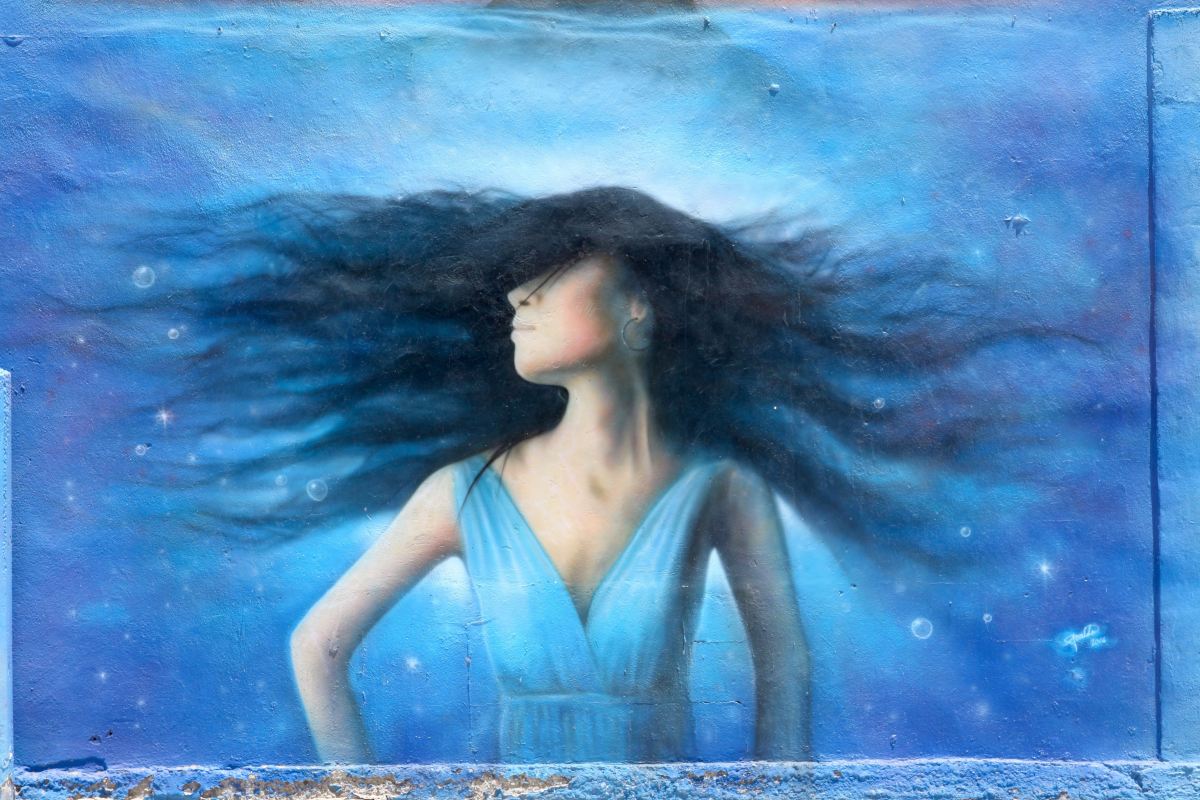
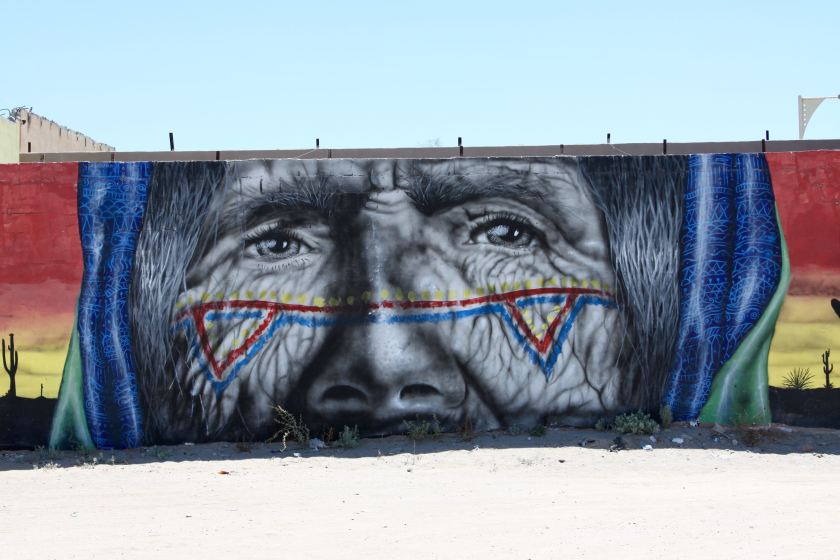
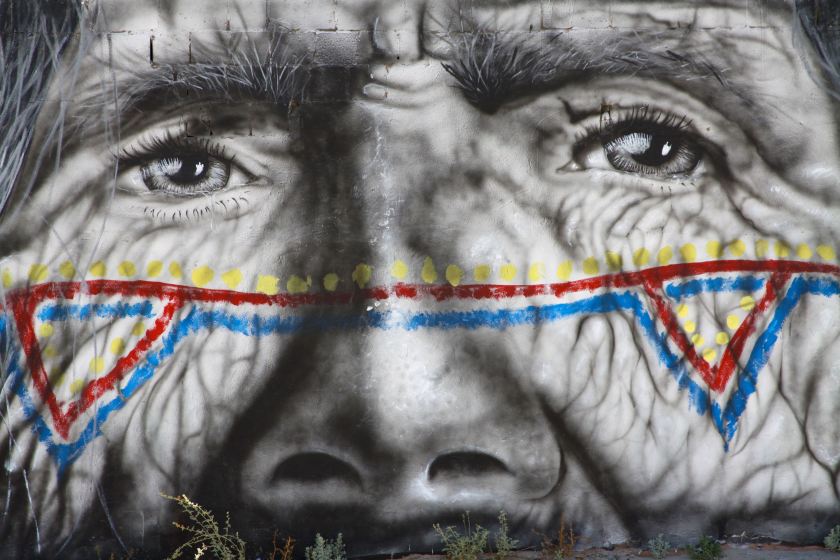
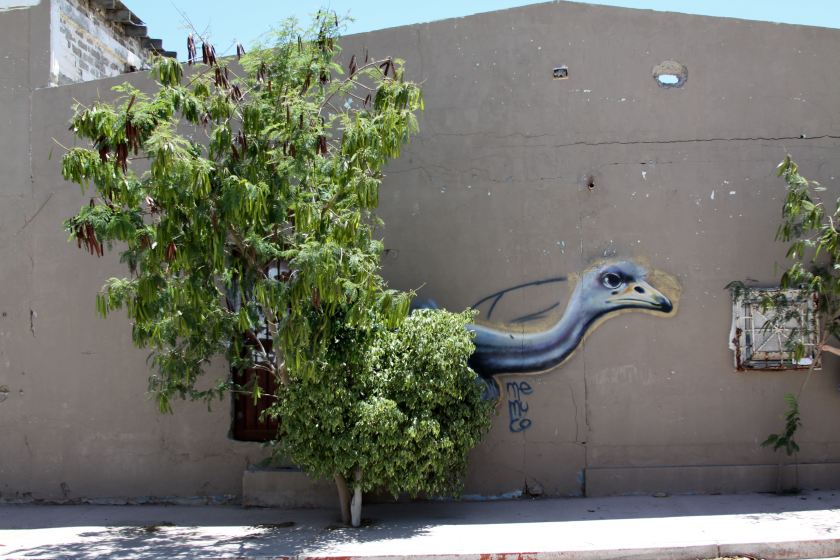
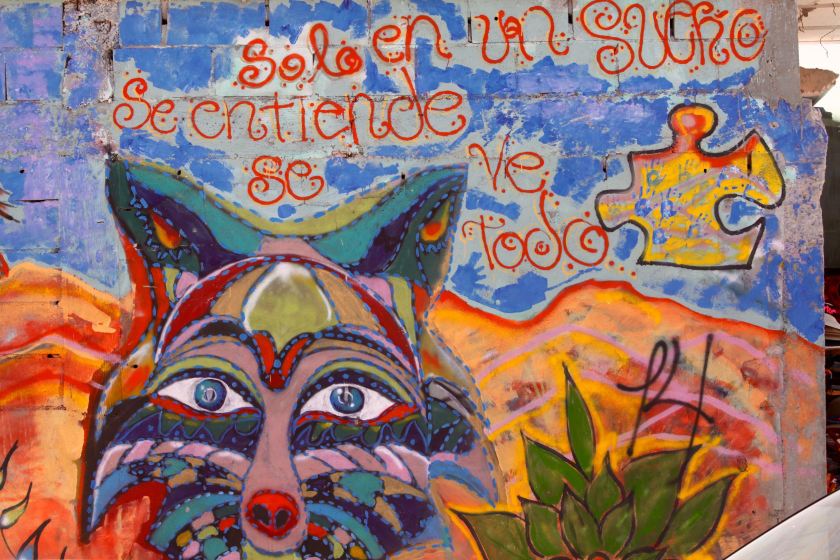
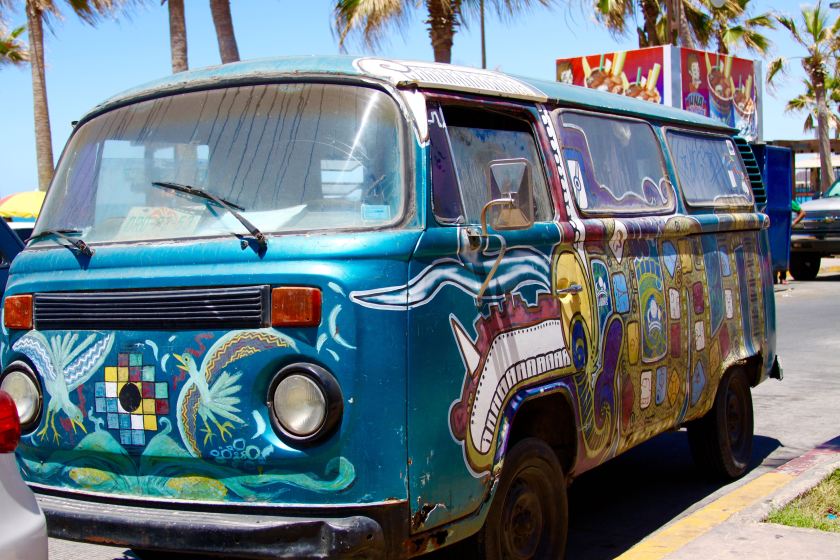
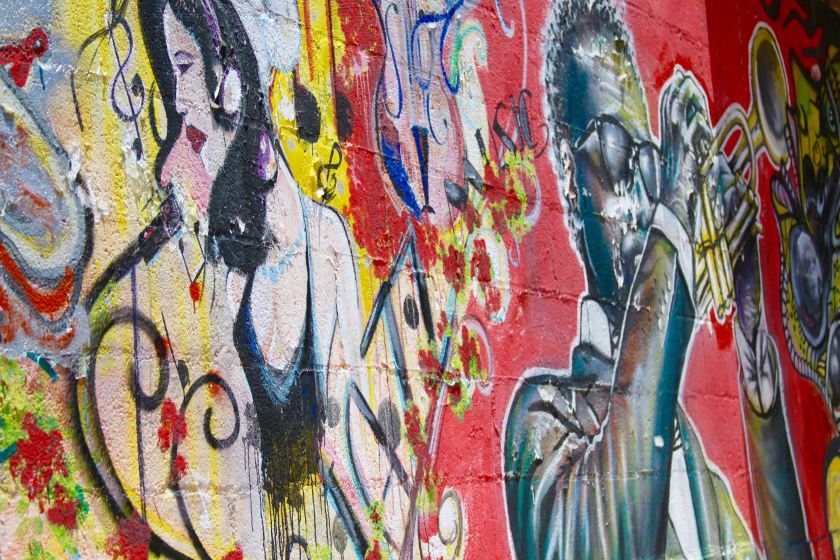
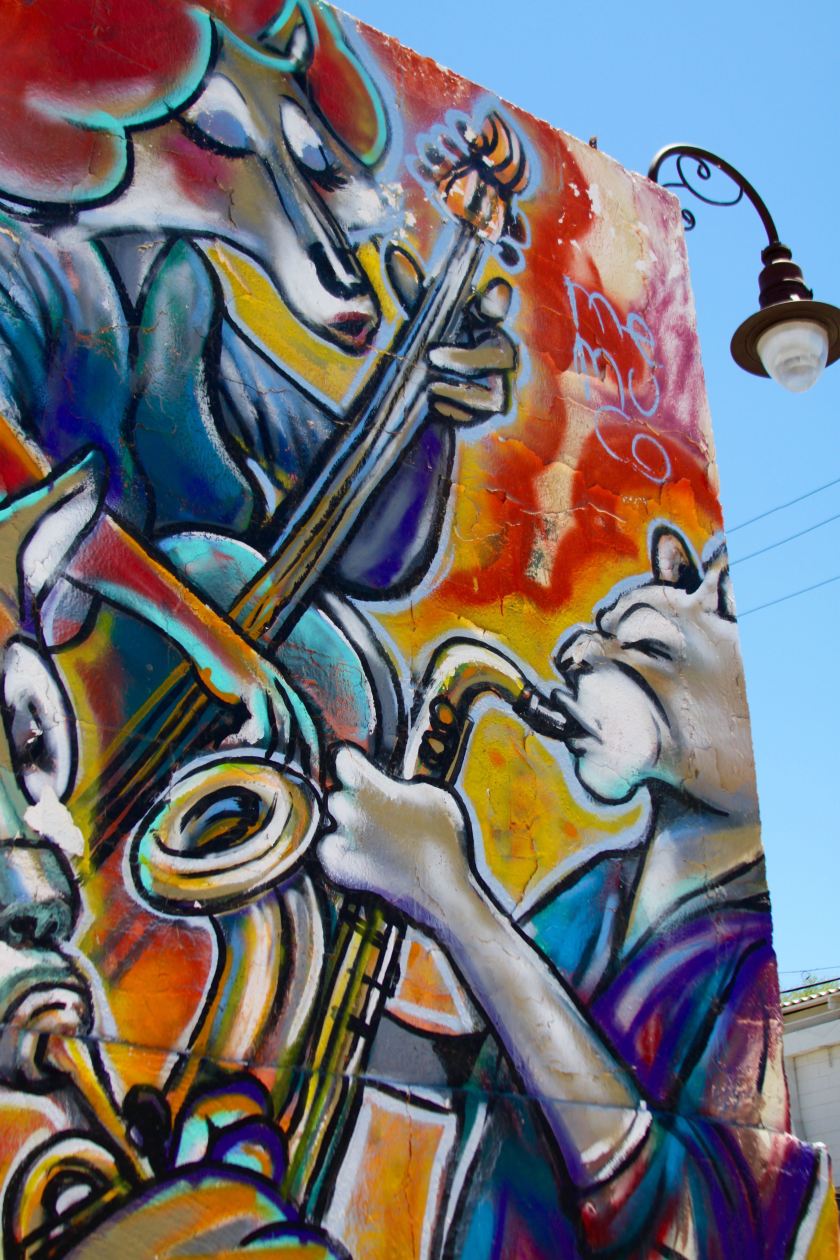
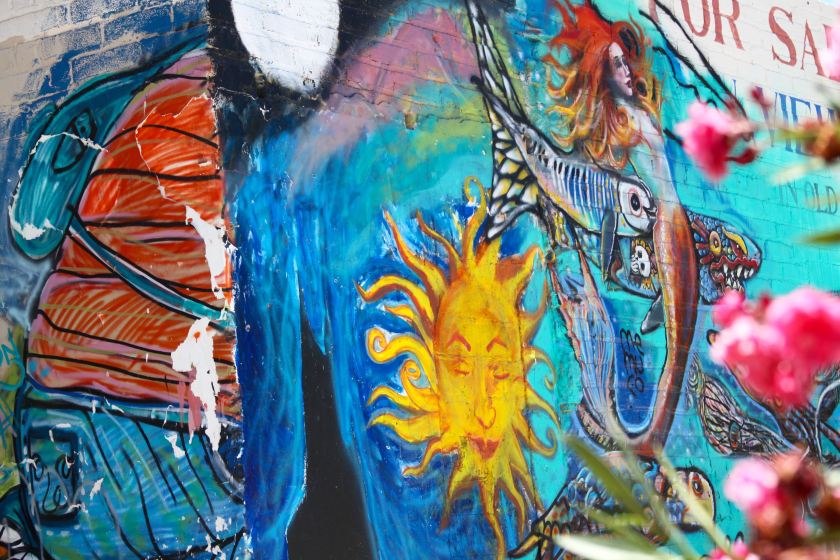
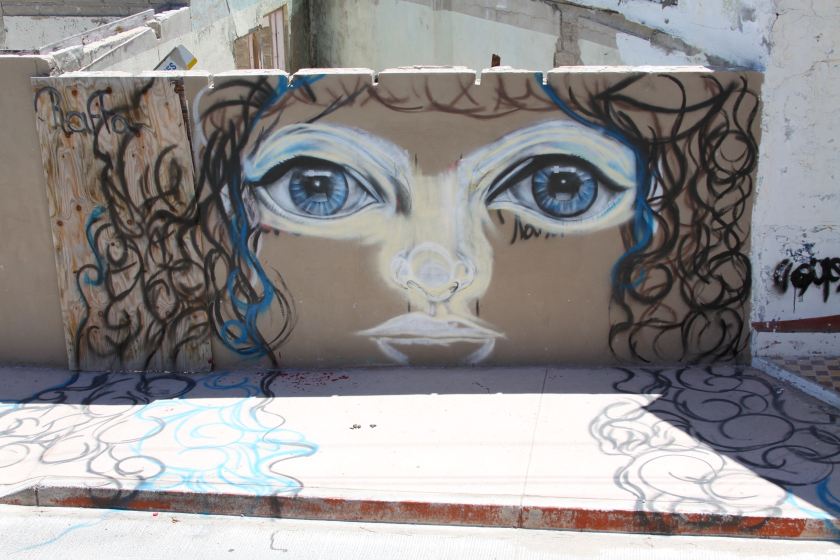
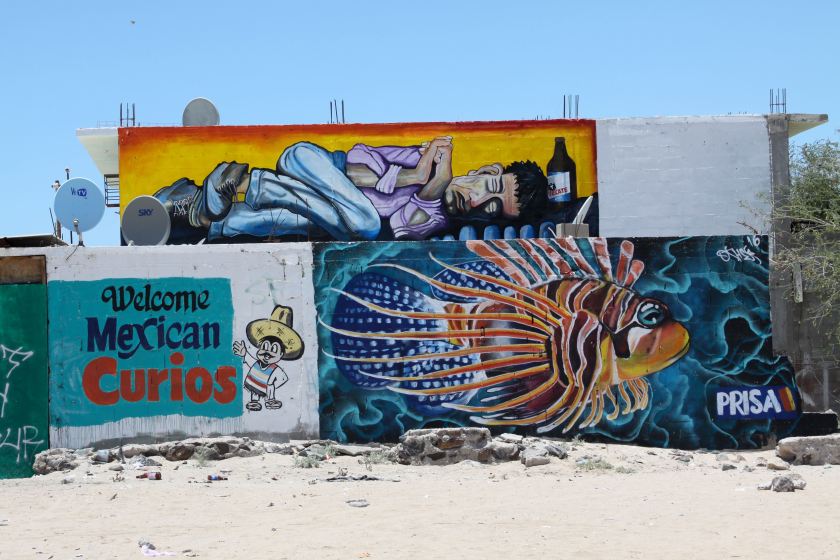
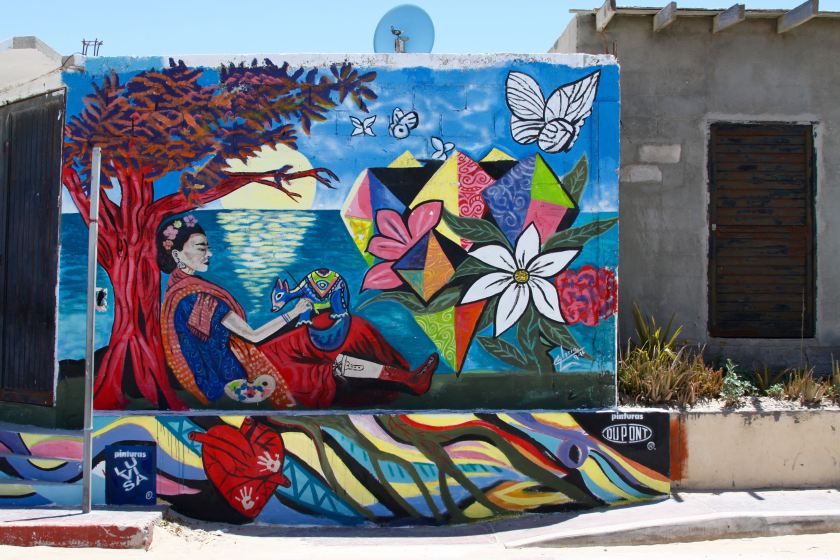
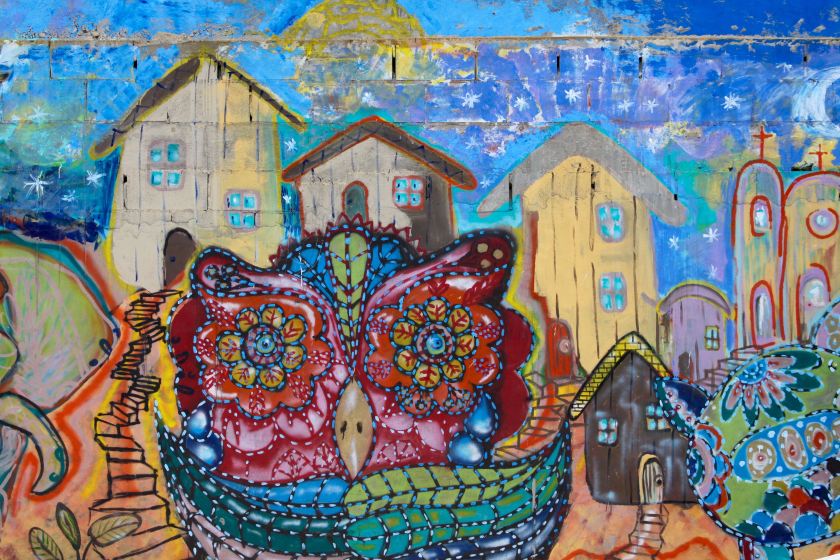
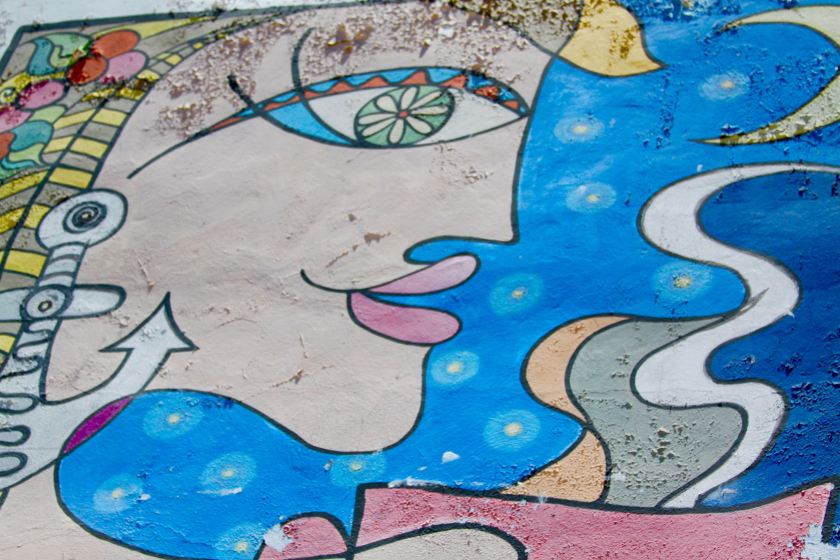
A beach destination for Arizonians, Puerto Pensaco (aka Rocky Point) has much to offer: sun, beach, good food, drinks with generous amounts of alcohol and only a mere 4-hour drive from Phoenix. My husband Brent had visited Rocky Point with his family (and later with college roommates) since the age of 5. On our second day there, we decided to explore the town and document the excellent graffiti and murals we had spotted on our drive in.


IMG_0033


IMG_0034


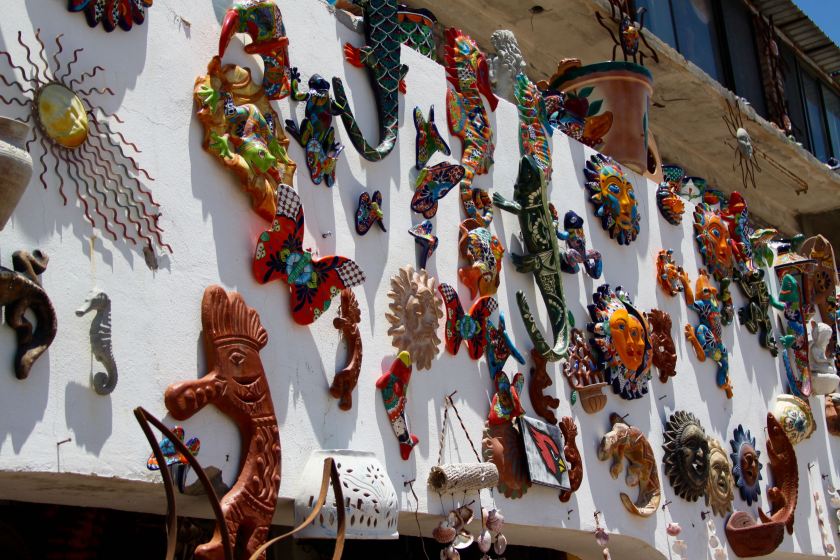
Entering the Old Port, we see men sitting under makeshift shelters with large coolers and bright signs touting shrimp and fish. It’s early, around 8:30, and we’re the only folks around. We follow the road along the Sea of Cortez and notice shops loaded with souvenirs: t-shirts; traditional Mexican dresses for women, girls and babies; beach cover-ups; cowboys boots; brightly-painted pottery; Cuban cigars; pretty straw sun hats with bands of floral cloth; headbands with funny sayings; fidget spinners in all colors; clackers (remember those acrylic balls on string that clacked together from the 70s?); and refrigerator magnets of cactus, sombreros, and chili peppers.


IMG_9924


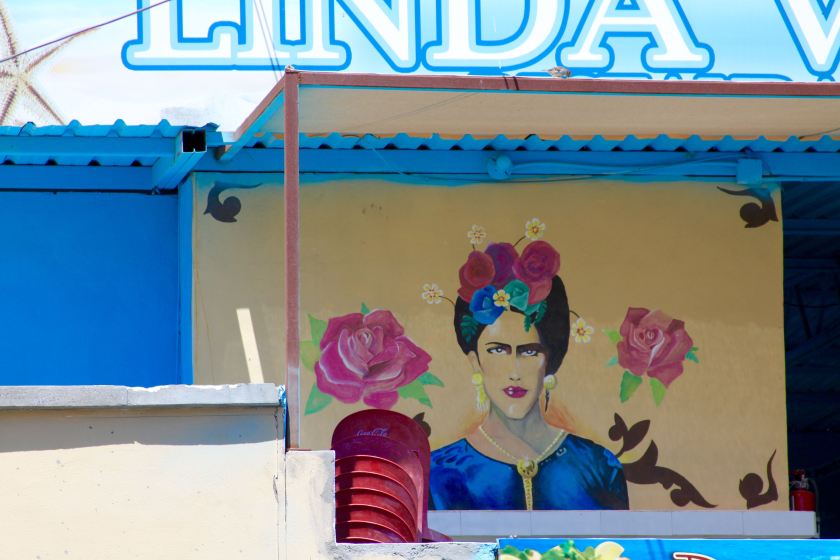
Men stand in the middle of the road pointing to open parking spaces. But we’re just seeing what’s down here, we don’t want to walk around just yet. Murals catch our eye in various places, and we determine to re-visit and photograph them. 


IMG_0008


Onward to Sandy Beach, where Brent remembers parking in the sand and tying a 22-foot parachute between his truck and Glenn’s jeep 30 years ago, during spring break from college. This was their base camp for a week and they defied anyone to park between them and the water. 


IMG_9944


We turn at a large Marlin statue and roll past a few open-air restaurants and several kiosks renting 3-wheel scooters, 4-wheelers and rail cars. The main road that runs by Sandy Beach is unpaved, but wide, and trucks moving in both directions spray water to pack the dirt. The sea is to our left and along Sandy Beach several high-rise condo complexes block access to the shore. The Reef, a restaurant/bar that’s been in Rocky Point as long as anyone can remember, sits by itself away from the condos, and nearby is the beginning of a long pier, built up with massive boulders, the future site where folks will disembark from cruise ships.

The dirt road continues to Choya Bay. It’s low tide, so the entire massive bay is empty, except for a few folks walking out there, and a couple of dogs playing and sniffing. We follow the narrow dirt path into the business district, which consists of Oxchitl’s cafe (pronounced So Cheese) and J.J.’s Cantina, another party-station staple of Rocky Point.


IMG_0047


Little houses in various stages of repair and disrepair are crowded together along the bumpy dirt road for two blocks. We circle back to Oxchitl’s for breakfast. It’s a busy place. Sally is the owner. Her mother owned a restaurant in Choya Bay, so Sally continued the tradition and now serves breakfast with an attitude. That’s what the menu says. Sally is a little salty. We opt to sit on the roof under a loosely woven straw cover, with a view of the empty bay. The weather is perfect, the food is worth the drive. 


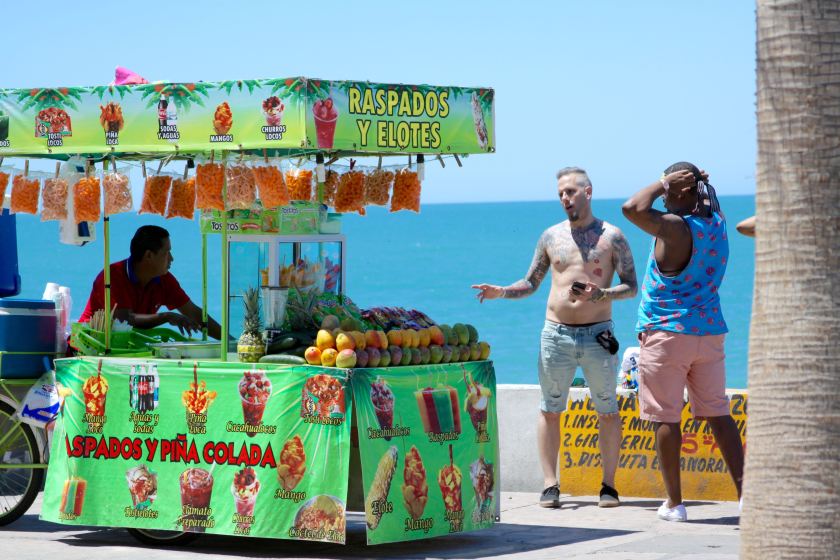
Because we saw everything there was to see in Choya Bay during our 4-minute loop, after breakfast we head back to the Old Port, to do a little Christmas shopping. This time, people crowd the sidewalks and music comes from every restaurant and bar. Vendors peddle carts loaded with frozen fruit bars, fruit drinks of every conceivable combination (Pina Coladas are especially popular), brightly-colored candy and fried snacks.

Men step from the shadows and ask Brent if he needs to visit the Pharmacia. Viagra and Cialis can be bought over-the-country, as well as antibiotics, such as Z-packs and amoxycillin.


IMG_9933


We stroll along the shaded sidewalk looking at all the goodies, taking our time, stepping into some of the shops. Attendants are, well, quite attentive. I touch a little dress that my 2-year-old granddaughter Ella would look cute in and a man instantly says, “What size would you like to see? We have all sizes, even for you.” At one stall, we spend quite awhile carefully selecting gifts.


IMG_9942


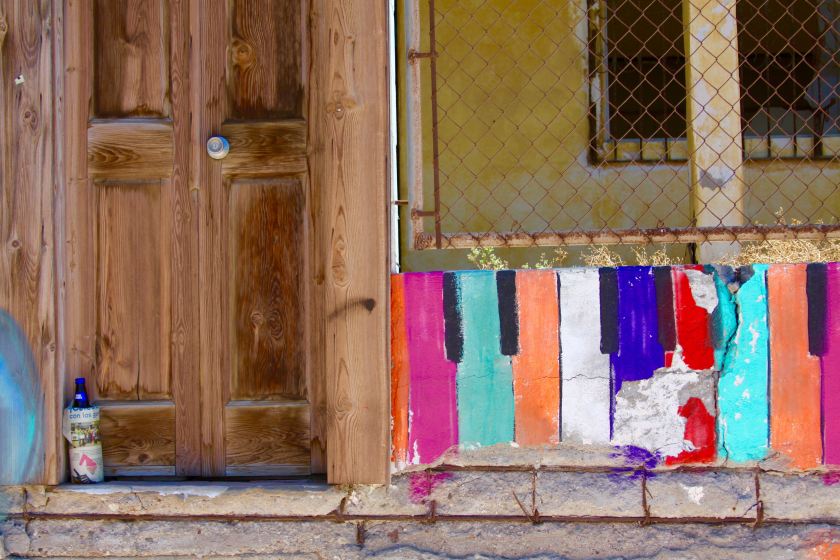
We turn up a side street to look for murals. Some buildings are empty. One lacks a roof and doors. I take a photograph and then Brent sees something and he takes the camera. We continue like this for the rest of the weekend, passing the camera to get shots of graffiti and murals.


IMG_9940


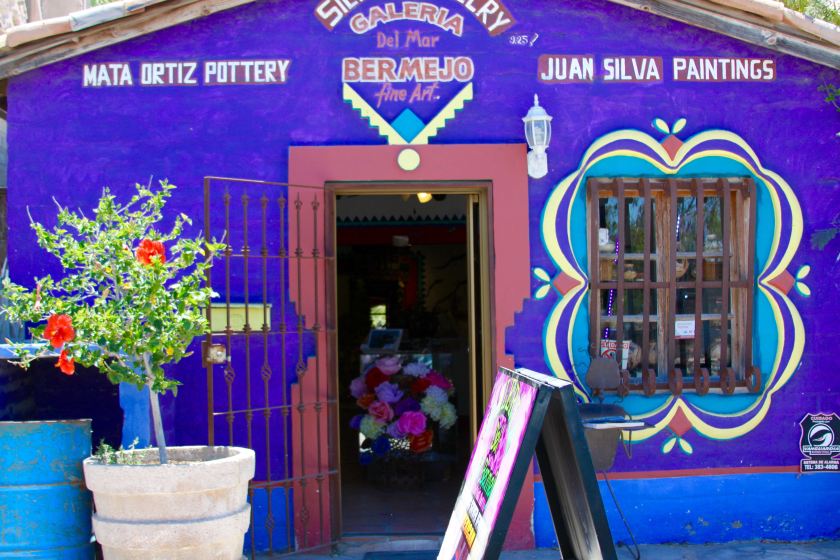
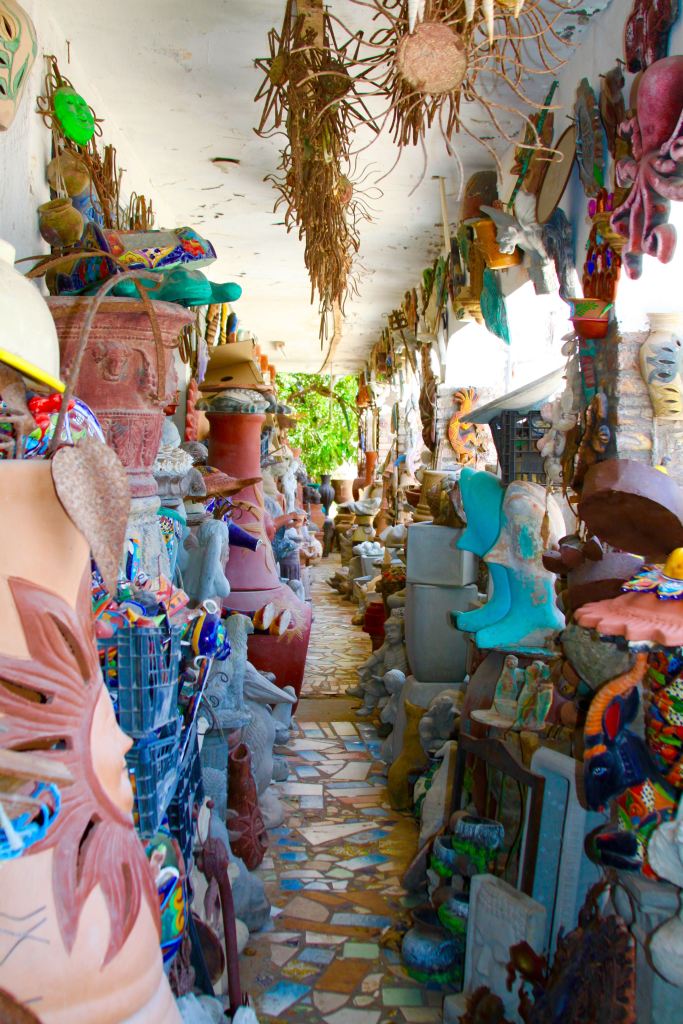
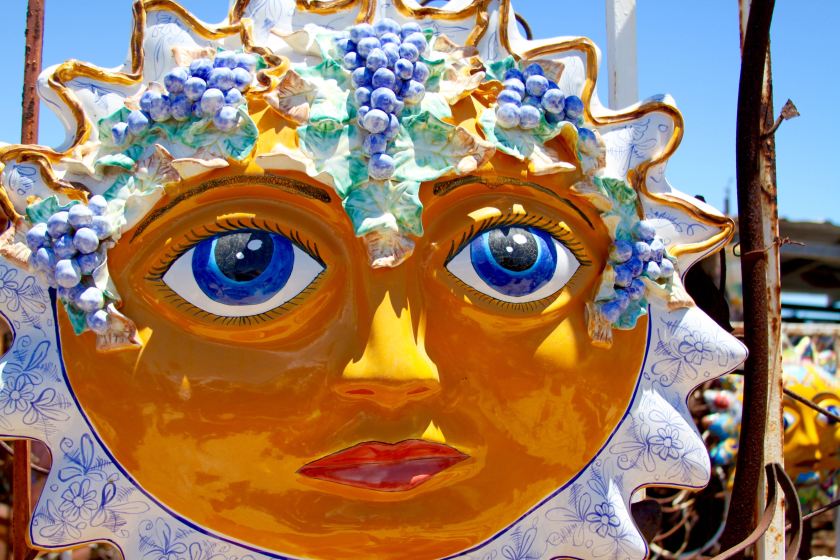
A building covered in metal decorative pieces and colorful pottery sits in a triangular intersection. Every exterior wall of the building is adorned. Within the building, a labyrinth of ceiling-high shelves, additional floors, roof decks and balconies are stuffed with curios. Sensation overload. Again, we pass the camera back and forth, having a ball exploring every nook and cranny.

“This place must be 30-years old at least,” Brent says.

We pass shelves of painted sinks, and planters, and old banks shaped like Winnie the Pooh and Mickey Mouse, tons of plates, bowls, hand-blown drinking glasses and hearts. Brent finds a red glass heart with white stripes looking like a heart with veins. I select a Grecian-urn shaped planter.  A practical souvenir. The woman who checks us out says the store has been there 28 years. We don’t really want to leave, it’s a magical funhouse where our inner artists come out to play. 

IMG_9961

IMG_9962


As we walk back to the car, the Old Port is in full swing. Parched, I buy a tooty-fruity iced drink and Brent buys a beer. More music blares, and not just from restaurants and bars. The strip is a place to cruise, and many people drive their pimped-out 4-wheelers. I’m so mesmerized by the vehicles coming onto the strip, I can’t move. Just stand with the fruity drink and watch one crazy vehicle after another slowly roll past, each with its own sound system blaring, competing with music from the restaurants and bars.


IMG_9928


One couple has speakers mounted directly behind their heads. They’ll go deaf! Another rail car is hoisted six feet off the ground, with giant knobby tires, and a two-foot speaker mounted on the front, covered in faux fur, pulsing with the bass. The four people talk as though they can hear each other.

Brent stops and walks back to where I stand, tooty fruity drink straw in my mouth. I can’t move. “Let’s get a seat in that restaurant upstairs and watch the show,” I say. But I only half mean it. Still, I could stand watching the sights and the people, listening to music, American and Mexican, for hours.


IMG_0002


We drive back to Las Conchas, to the casita we rented through Airbnb, and put on our swimming gear, ready to kayak!

I’ve never launched a kayak into the sea, with waves coming at us. Plus, a couple of folks sitting on the patio next door are watching. “I’m a little nervous,” I say, thinking it’ll help dispel my anxiety a little by talking about it. 

Of course, I’m exaggerating the sea’s ferocity. This is the Sea of Cortez (Gulf of California), and Puerto Penasco is tucked way, way up into the crook of Mexico as it extends over and down into the Baja peninsula.


IMG_0062


We wade out thigh-deep and Brent yells, “Get in, get in,” and I do and he does and he says “paddle, paddle,” and I do and he does and soon we’re past the breaking waves and slipping into the sea… and we’re free. The water is calm and I feel an exhilaration that’s hard to describe. Brent saw an estuary behind the casita and wonders if there’s a way to get to it from the sea, so we’re looking for a Southeast passage. We row and stop and glide and watch the Pelicans dive for fish. We sometimes hit a swell just right and the tip of the kayak goes underwater. Cold water rushes over me, and I love it, even shout “Whoohooo” with the bounce and the splash. 


IMG_9974


Once the passage into the estuary is confirmed, we turn north to where we put in. The tide is still coming in and we fight it, along with the wind. It’s fun. No one else is around. Does that mean they’re smart enough to NOT be in the water at high tide? 

We row hard toward the beach, determined to shove up far enough to stick in the sand. Goal accomplished. We drain the kayak, shove in the wheels and pull it up the cement drive and onto the dirt road. Our casita is the second house down, so we drop the kayak and rinse off under the outdoor shower.


IMG_0027


IMG_0043


We’re hungry and it’s time to find Chef Mickey’s Place, recommended by two locals we met the night before. Chef Mickey was on the TV show “Iron Chef” and one of his appetizers won first place. Without a reservation, we’re placed at a 4-top next to the door. I slide around next to Brent to get out of the way. More romantic that way anyway. We must order the prize-winning appetizer of dates stuffed with Gorgonzola and served with shrimp in a light cream sauce. Yum!!!

We both order a giant Margarita, though I’m not much of a drinker. I can’t taste the Margarita mix. With a drink this strong, I just sip it and gulp water. Within a few minutes, Brent looks very relaxed. Even his hair looks relaxed. He puts his arm on the back of my chair and says, “What a perfect day.” I agree.

We’ve had a beautiful, fun day driving and exploring.  


IMG_0050


A mariachi comes by and Brent requests “Sositas en Chihauhua.” Even though it’s a very old song, the singer knows it. Brent recalls a dinner in Mexico when he was young and Marco, the captain of his dad’s boat, requested the song. Three mariachi’s joined in and Brent never forgot it. 

When the Mariachi finishes playing for us, he says, “I haven’t played that song in 25 years. Thank you for reminding me about it.” We tell him it seemed as though he plays it all the time. He even used his fingers to drum on the guitar, making us laugh. 


IMG_9939


Brent has bacon-wrapped shrimp with mushroom marsala sauce and I dine on shrimp in garlic butter with vegetables. Both are excellent! 

“What a great day,” Brent says again after drinking his Margarita (and half of mine), smiling lazily. 

‘I’m driving home,’ I think. 

Stuffed and content, we head back to the casita and dream of how perfect tomorrow will be in Puerto Penasco. 


IMG_9938