Shenanigans happen during Muscle Shoals recording sessions with Reddog, the legendary Clayton Ivey and Bob Wray, the hilarious studio owner Charles Holloman, and joy-spreading-drummer Justin Holder. Tune in and turn it up!
Clayton Ivey has sat on hundreds of recording studio couches in his 55 years of playing keyboard on thousands of songs with some of the greatest musical artists from around the world. He was also producer on some of those toe-tapping and chart-topping songs recorded in Muscle Shoals or Nashville or Memphis or NY or LA.
“I love this room,” Clayton says, sitting on a long black velvet couch facing the recording board where Charles Holloman, owner of East Avalon Recorders, focuses on the computer’s pulsing tracks.
Of all the studio rooms he’s occupied, Clayton likes this room the best.
Looking from Clayton’s favorite room into the recording booth: Clayton is at the Wurlitzer on the right, Bob Wray is on bass, and Justin Holder is on drums.
Across the room, blues guitarist Reddog faces the recording booth, swaddled by his Stratocaster. His stance and uniform — backward baseball cap, black T-shirt and cowboy boots, cinched jeans — hasn’t changed in the 35 years I’ve known him.
Reddog’s cool exterior belies his churning passion for the blues, and the hard, hard work he’s done leading up to this moment: standing in Charles’ studio with just two sessions scheduled to record his nine songs alongside some crazy-talented musicians.
Reddog plays his tunes for the rhythm section in the booth.
We can’t leave women out of Reddog’s art form. Debra, his girlfriend, is here, supporting his every effort and documenting the scene. Also, female back-up singers will record in a subsequent session. Any time Reddog mentions adding the women’s voices to a chorus or intro, his eyes light up and he smiles underneath his Deputy Dawg mustache.
In this moment, though, Reddog’s cool exterior might just crack under the pressure of guiding a team of spirited musicians in laying down the rhythm for his album of diverse songs: a lullaby, a straight blues tune, a Steely Dan throw-back, a jazzy instrumental, and a Marshall Tucker-sounding homage to the sound legacy of Macon and Muscle Shoals.
I can’t say any more about Reddog’s songs or the album right now, but I’ll definitely write about all the details when the album launches in late 2025.
“I’ve always loved this room,” Clayton continues from the couch, where he’s reclined, his long legs crossed at the ankles.
“It’s cozy,” Charles says, spinning from his computer to face Clayton.
The black walls, baffles, fairy lights, and layers of rugs create the feeling of being in a Genie’s bottle; a place you don’t mind hanging out when the Muscle Shoals magic starts to happen.
East Avalon Recorders is Clayton’s favorite place for making music. He’s the reason Reddog is recording his second album with Charles, a North Carolina native who learned music technology at Georgia State University and followed his dream of moving to Muscle Shoals and opening his studio.
Charles Holloman, owner and sound engineer of East Avalon Recorder, captures music.
Charles carved the studio out of a 60s ranch-style home on East Avalon Drive, tucked behind industrial buildings only blocks from the flashing lights of Muscle Shoals’ airport.
Adding to the coziness, sound barriers of heavy velvet curtains or glass screen doors block noise from the house’s entry and kitchen. The woolen rugs dampen the sound.
There’s a living room for chatty people to visit, so their words aren’t captured, and a bedroom for musicians to catch up on sleep. Many, many people have poured themselves onto the black velvet couch where Clayton is chilling.
Charles didn’t share any specific story about a couch-crasher — like the one about Joe Cocker at Muscle Shoals Sound Studio sleeping on their camel-colored couch in a drugged state for a week, burning cigarette holes in the leather. It’s the same couch the Rolling Stones can be seen sitting on in the Muscle Shoals documentary. That same couch is still in the renovated Muscle Shoals Sound Studio today… patched with duct tape.
When Clayton agreed to play keyboard on Reddog’s album he pulled in Bob Wray on bass (another legendary session player) and Justin Holder on drums. Clayton also chose Charles and East Avalon Recorders. After recording an album at East Avalon in 2021, Reddog was hooked on Charles, too.
“Charles is so attentive and accommodating, Man,” Reddog says. “He’s kind and does good work.”
“What do you know about this rug?,” I ask Charles, pointing to the large rug under our feet. Its intricate floral design with sleeping lambs looks authentically Turkish, indicating great value, unlike the computer stand which is propped up by two books and held together with a blue ratchet strap. This comical (and effective) rigging shows how most recording studios in Muscle Shoals are not fancy. That’s because plain, good people use plain, good sense to design their plain, good creative spaces.
After all, studio design is all about the physical properties of sound waves. Expenses are spared on the aesthetics of a studio and lavished on the equipment that captures the sound. Placement of instruments, baffles, and ceilings are more important than decor when capturing sound. For instance, walls are sometimes angled 10 degrees to properly direct sound, and baffles of burlap-covered insulation help to “deaden” an area. Those baffles may not be pretty, but they work.
Muscle Shoals, thank the good Lord, is bling-free.
“My Mom bought this rug in the early 90s,” Charles says, looking down. He’s always responsive like that, turning his full attention to others. He’s also consistently upbeat, a laugh at the ready behind his beard and glasses. He’s the one usually cracking everyone up with his sharp wit. Funny flies out of Charles as natural and unstoppable as a sneeze. “For eight years these chairs have rolled over this rug, but you don’t see any wear.”
There is absolutely no wear on that nice rug. And why does the rug matter? Because if it’s truly antique and from the middle east, its value would indicate Charles comes from a well-to-do family. Yet, he doesn’t act like it. He’s as humble as his studio’s decor.
Charles is a down-to-earth guy. Nice and hard working.
As a musician, Clayton clearly feels at home here with Charles. The kind of home where family surrounds you, so you can be your true self. No judgment. Reddog feels at home here, too, even though he’s got some nervous energy as he prepares to record with Clayton.
Looking at Clayton — kicked back on the couch in his “Cat Dad” ball cap — you’d never know his storied career included playing keyboards for Etta James, Clarence Carter, Wilson Pickett, Mac Davis, and hundreds of other artists whose music nudged societal changes and still shapes our lives.
Clayton started playing at Rick Hall’s FAME Studios after the original group of session players, The Swampers, left to form Muscle Shoals Sound Studios. Clayton later opened Wishbone, his own recording palace closer to the Tennessee River. After selling Wishbone, he continues to play at studios around town… at his pleasure. Because, after his years on a piano bench, Clayton can do what he wants when he wants.
When Debra asks Clayton how many sessions he’s played since the 60s, he says, “Probably 10,000-15,000.” We all agree the total is likely closer to 15,000.
Debra, Reddog’s girlfriend, documents the session.
Clayton is just like his buddy Bob Wray and other Muscle Shoals session musicians: even though they’ve contributed to hundreds of hit records, and spent time with the most famous of celebrities, their daily life mirrors us average folk.
Clayton’s discography will wow anyone who looks him up, but Clayton is still the same Muscle Shoals guy of his youth: humble, funny, tolerant, hard working, straight talking, excellent piano player, and proud Papa to his feline “boys,” Scooter and Ollie.
He loves those two cats to pieces.
Bob, a Wisconsin native who somewhat resembles Walter Matthau, is another guileless, long-time session player who performed on hundreds of hit records and currently enjoys his simple Muscle Shoals life.
Bob still lives in his 1947 lakeside house which he bought in 1976 and proceeded — with his own hands — to put in all new plumbing and electrical systems. He’s had nine dogs since 1976, mostly labs, and his current pet, Elke (pronounced Elkah), is the first one to live inside. Bob is discovering the joys of having a puppy underfoot in the kitchen.
Bob is cool. Maybe it’s the decades of performing with famous people… and being famous himself. He’s not easily rattled and at 77 he still carries his own bass to his car, even in the dark and rain, even when others offer to help.
When Bob and Clayton sit together on the velvet couch in Charles’ cozy studio, they argue like Matthau and Jack Lemon in the movie Grumpy Old Men. Those of us lucky enough to witness their teasing banter can’t help but snigger and relish the fake acrimony. They may be “old,” (I’m not totally convinced of that) but these men definitely aren’t grumpy.
Clayton and Bob started playing together 55 years ago when the Osmonds came to Muscle Shoals; their first song playing together was One Bad Apple.
“Donnie Osmond was 11 years old,” Clayton says from under his cap bill. “I can’t believe he’s now 66!”
Donnie Osmond turned 67 in December 2024.
And yet here these two men are, still playing sessions together (and apart) and still arguing over chord charts, which Clayton writes.
Chord Chart for “Still Crazy After All These Years” on display in the Muscle Shoals Sound Studio.
Chord charts have a long history, but a special version is used in most Muscle Shoals studios, a method popularized in Nashville by Neal Matthews, Jr., who charted songs for the Jordanaires.
Talk about super-famous and super-prolific studio musicians! The Jordanaires formed in the late 1940s as a harmony gospel group and sang as back-up on thousands of hits, including most of Elvis’ gospel and hit-movie songs, only dispersing in 2013 when the group’s leader, Gordon Stoker, died from a stroke. Because Stoker was owner of the group’s name, he took it with him in death.
Matthews’ method of charting chords became known as the Nashville Number System (NNS) and he literally wrote the book on it: The Nashville Numbering System: An Aid to Playing by Ear. The method uses numbers to designate chords and other symbols for tone and sustain, etc.
Looking at a chart is like looking at space math.
“Heeeeere’s your chart,” Charles says to Justin, the drummer, a tall wild-child with a massive heart and massive black wavy hair which makes him look a little like Weird Al Yankovic. But Justin isn’t weird, he’s 150% alive with a wit to match Charles’ quick humor. Their exchanges are entertainment anyone would pay to see. If they go through with their podcast idea of “Muscle Shoals Now” (which I pray they do!!), it’ll be the most-accessed podcast in history.
Justin, 42 and built like a wrestler, loves wrestling and is on a high in the studio because he met his childhood hero, Hulk Hogan, just two days before. Adding to his glee, Justin tells us how he and his buddy were singing while waiting in line to see the Hulk and they made it onto the local news.
Justin very kindly let’s the author play drums while he taps the Tambourine.
Justin is high on life. He’s a session drummer around town, has recently worked with Band Loula, and will tour with Shenandoah for six months as their drummer heals from shoulder surgery. Musicians like Justin don’t just get invited to sessions because of their talent, they get picked because of their cheery personality and awesome attitude.
So when Charles hands Justin the chord chart for the next Reddog song they’ll record, Justin compliments Charles by saying, “Man, NO ONE hands me a chart the way you do.”
Charles energetically replies, “It’s an art. It’s Chart Art!”
Everything these guys are doing in the studio, from playing instruments to creating a collaborative environment, is art. Of course, folks comment on how a chord chart looks like trigonometry, not art.
As the players are all listening to Clayton explain number by number how he charted this particular Reddog song, Bob shouts out, “it’s wrong” and “it doesn’t make sense,” and Charles declares, “It’s Muscle Shoals Math.”
“Chart Art” and “Muscle Shoals Math”: Charles is the Shakespeare of this hamlet, making up new word phrases.
Clayton charted all of Reddog’s songs for the drum, bass, and keyboards weeks in advance of this session. These charts are excellent for players to use instead of reading sheet music, allowing them to create their own riffs throughout the song.
Clayton can play any keyboard, any genre. He’s quite a sight sitting at the grand piano, or Wurlitzer electric piano, or the Hammond B3 organ.
I’m terribly sorry for every person in this world who hasn’t had the privilege of watching/hearing Clayton run his fingers over any keyboard while recording or just warming up those fingers.
Clayton at the Wurlitzer with Reddog on the acoustic guitar.
At the Wurlitzer, he sits with earphones on, but the right ear exposed.
“Remember this tune?” Clayton says, glancing at me and Debra. The Wurlitzer hums out the chorus of Patches, the great Clarence Carter song.
“That’s Patches!” I say, thrilled to recognize it and sing along on the chorus.
“I played piano on that tune,” Clayton says, still pushing on keys.
Just the day before, Debra and I had stood in Studio A at FAME Records where Clarence and Clayton had recorded that very song and we listened as Jordan, our tour guide, played Patches through the studio’s incredible speakers. In the Very Room it was recorded in! Standing by the Very Piano. And now here’s Clayton, the Very Player on that song. I felt dizzy.
Jordan in FAME Studio A plays hits for us; Debra is on the left.
Then FAME tour-guide Jordan, who’s also an assistant engineer, played other songs recorded in Studio A, like Etta James singing Tell Mama, and Wilson Pickett singing Hey Jude, with Duane Allman on guitar, and Aretha Franklin’s I Never Loved a Man (the way I love you), and there, in front of us, was the grand piano she sat at and sang at. [Learn more about our FAME Tour]
The story of Aretha recording just that one song at FAME involves her drunken husband and studio owner Rick Hall later confronting the couple in their hotel room. I won’t share the story because Rick Hall tells it so well in his book The Man from Muscle Shoals: My Journey from Shame to Fame.
In his book, Rick tells stories about each hit song and artists he discovered, and best of all, it comes with a CD of the documentary Muscle Shoals.
Clayton is in the documentary!
“Do you remember this one?” Clayton says from the Wurlitzer.
Debra and I are digging this name-that-tune game. As Clayton is playing a few notes, Charles calls out to him.
“Clayton, let’s get started!”
“Hang on a minute!” Clayton yells, continuing to play for us.
“Baby, Baby,” Clayton says, and I finish by singing, “Don’t get hooked on me. That’s Mac Davis!”
“That’s right, I played keyboard on so many of his albums,” Clayton says.
And now Clayton is playing keyboard on Reddog’s album, right in front of us.
“Oh, sure,” Clayton says each time Reddog asks him to play another keyboard; He’ll practically run over, put on earphones, and play a few riffs to wake up the instrument.
These session players are seeing each of Reddog’s songs for the first time in real time. Clayton listened in advance and created the chord charts, so he’s had time to think about what he’d like to play on each song. But Justin on the drums and Bob on the bass are just now hearing the songs as Reddog plays and sings each one all the way through.
As Reddog plays and sings, Clayton, Bob, and Justin reference the chord chart and discuss amongst themselves what they’ll play during intros, verses, bridges, choruses, etc.
Sometimes they’re so inspired by what they’re hearing, they’ll get off that black velvet couch and head to the studio, walking quickly, with purpose. Bob is usually the first off the couch and marching to his bass. The musicians then perform the song together as Charles captures it all.
Occasionally someone will yell out “damn” or “shit” as they flub a note and the music stops while Charles, with a click of the mouse, backs them up a measure or two and they start over.
Clayton on his way back into the studio talking with Reddog about re-recording.
When the song has been recorded, these raucous musicians return to the couch, or Justin lies on the floor behind the sound board, and they all listen to their playing.
“Oh, I can fix that,” Bob says when he hears a missed bass note or an arhythm.
I just hear a good song, but there goes Bob, headed toward the booth’s door, saying to Charles, “Let me fix that spot,” or “let me take it from the top.” Bob’ll sit alone in the recording booth with his bass and run through the entire song all by himself.
Bassist Bob Wray.
Not to be outdone, Clayton will stand up and trot toward the booth saying, “I’m gonna’ redo that bridge on the acoustic,” and Charles just clicks the mouse and they re-record.
After 55 years as professional musicians, Clayton and Bob still want their sound to be perfect, and they’ll spend the extra time and energy to get it right, not listening to anyone who disagrees. They still have their work ethic. They still care.
They still trot to their instrument to do better.
By the end of the second night, we all feel like family.
Donna, Bob’s lovely friend, heats up the the crockpot of meatballs and tins of yummy jalapeño dip and artichoke dip she made for our crowd. We have to be quiet in the kitchen for most of the night because Reddog set his amplifier in there. Something about getting a better guitar tone with greater volume. So the amp is set apart to avoid overwhelming the other sounds.
Charles, Justin (standing), Donna, Bob, Clayton, Debra, and Reddog listening.
On our tour of Muscle Shoals Sound Studio earlier in the day, Chase, our tour guide, explained how Duane Allman would stand just outside the bathroom door, with the door open and his amp blasting inside the tiny room, and Duane would crank up his amp nearly twice as loud as the other instruments, to get that better tone.
Duane played that way on Boz Skaggs’ Loan me a Dime, one of my favorite tunes of all time, of all genres. That song is perfect and when tour-guide Chase had pointed to where I was standing and said that’s where Duane had played Loan me a Dime decades ago, I got goose bumps all over.
On the Muscle Shoals Sound Studio tour, Chase also played Take a letter, Maria, the first official hit for the new studio and its founders, the Swampers: Barry Beckett, Jimmy Johnson, Roger Hawkins, and David Hood.
For nine years at Muscle Shoals Sound Studio, from 1978-1987, before they moved to a bigger studio down by the Tennessee river, the Swampers were involved in the biggest hits of the day. Barry Beckett, the piano player, was an intelligent man of few words and the only one who could read music, so he charted the songs at that studio.
The Swampers got their start at FAME as the second group of session players hired by Rick after the first group gained recognition from their many hits and struck out on their own to further their careers.
Cher and crew in front of Muscle Shoals Sound Studio, the first artist to record at the new studio.
The Muscle Shoals Sound Studio building started out as a casket showroom and continued on after the Swampers moved out, possibly as an appliance store at one point. The building eventually became run down but with the release of the Muscle Shoals documentary, a foundation was formed to restore and reconstruct the studio just like it appeared in 1978. The instruments that had gone home with musicians came back and were placed where they had originally stood.
Muscle Shoals Sound Studio is still available for recording, but three of the original Swampers are gone, leaving only David Hood to carry on their legacy.
Visitors to the Muscle Shoals Sound Studio will find their jaws dropping at stories from the studio’s glory days, as told by guides Chase and Terrell, a Muscle Shoals native who worked for record companies his entire career.
Terrell even went to Capricorn Record’s famous annual picnics back in the 70s where Dickey Betts ate off his plate and drank his cocktail while Terrell talked with Phil Walden, founder of Capricorn (with his brother Alan). Now living in Muscle Shoals and retired at 71, Terrell gives tours and tells stories.
Terrell and the author at Muscle Shoals Sound Studio with the Americana Music Triangle on the wall.
Seems you can stand anywhere in Muscle Shoals, say the name of a musician, and someone nearby will have a story about working with, playing with, fighting with, or just interacting with that person. The shoals are just as covered up in good stories as they’re covered up in good music and good musicians. And history and successes.
Rick Hall also had a linkage with Phil Walden and Capricorn Records — not just with Duane playing at FAME for a year before forming the Allman Brothers Band –but with Otis Redding recording at FAME. The studios also have a history of cooperating with other studios in Memphis and Nashville, each city only 2.5 hours from Muscle Shoals.
These cities are all part of the golden Americana Music Triangle reaching from Nashville to Memphis and on down through Muscle Shoals, Tupelo, and other hotspots, all the way to New Orleans.
The golden triangle encompasses areas where nine distinct American musical genres emerged: Blues, Jazz, Country, Rock n’ Roll, R&B/Soul, Gospel, Southern Gospel, Cajun/Zydeco, and Bluegrass. That’s a hell of a lot of artistry and history, dating back to the Paleolithic period before the arrival of Europeans, to be proud of. A hell of a lot.
Makes a person woozy to think of the musical masters and average Joes and Janes all dedicated to making music through good times and through horrible, oppressive times.
The Americana Music Triangle isn’t just a region where nine genres were formed; it’s where The Nine American Musical Genres originated.
I’m disappointed my home state of Georgia didn’t make it onto the map. We’re terribly proud of our musical history. But I’m grateful to have grown up around Macon with soul, “Southern rock,” R&B, blues, etc.
I lucked into being a Georgian by birth; Reddog chose the Deep South as his home decades ago. As a songwriter, singer, and guitarist, he was drawn to the region and performed in Atlanta for decades. Learn more about Reddog’s musical journey in this article.
Reddog’s current recording at East Avalon Recorders is a testament to his talent and fine skills and love of music. He wrote the songs at his kitchen table, just like Dickey Betts wrote Ramblin’ Man in the kitchen at the Big House, the Allman Brothers’ home located on Highway 41 in Macon and now a museum honoring the band.
Reddog was inspired as a teenager to pick up a guitar after hearing Duane Allman play. As a 70-year-old songwriter, Reddog writes his songs in his Pensacola, Florida, home and then begins more work: organizing recording dates, players, travel plans, finances, rehearsals, etc., all toward the goal of producing an album.
The rhythm section goes down in these two recording sessions, then Reddog will come back to record his vocals with final lyrics, and then his beloved female back-up singers will layer in grace and beauty, filling each song to its fullest.
As we’re recording over two days, Clayton pulls triple duty on the Wurlitzer, acoustic piano, and B3 organ, while Justin, the drummer, plays a dual role of drums and percussion, adding separate tracks for maracas, the tambourine, and a clapping tool. As with everything he does, Justin brings in the joy with his percussion playing; it’s hard not to smile when Justin is being Justin.
Come to think of it, being in the studio, watching the crew work and create, and cut up and tease each other, made my face ache from constant smiling.
Muscle Shoals hasn’t changed much since the 60s. I mean, chain restaurants and stores have moved in, but much of the old buildings/architecture remains, like a time capsule wedged in place by surrounding towns.
On our Muscle Shoals Sound Studio tour, Chase had told Debra and I that he got the tour guide job through a college friend. That evening, arriving for Reddog’s recording, we met Colin, an assistant engineer. At some point Colin mentioned having worked as a tour guide.
“Did you work at Muscle Shoals Sound Studio? I asked. “And did you get Chase his tour guide job?”
“Yes, I did,” Colin said.
“We just met him today and he told us his college friend got him the tour guide gig,” I tell Colin, laughing at the small-townness of meeting these two friends separately on the same day.
Music in Muscle Shoals is a tight industry; the studios seem to collaborate more than compete with each other. The musicians play at all the studios… and there are quite a few studios in town.
The Shoals area is about making music, playing creatively, supporting each other’s growth, and sharing opportunities. When everyone in Muscle Shoals plays to their strengths and to the community’s mystical roots, the entire area is lifted up… together.
And sustained like a note held.
The author with Clayton Ivey and Bob Wray.
Clayton and Bob walk around like the small-town guys they are, with a mountain of stellar legacy work behind them. They’re still building up that mountain. They carry the history of the Shoals sound in their blood and spread it to others like a virus people choose to catch.
Smart guitarists, singers, and songwriters like Reddog understand the value of working with and taking musical cues from Clayton and Bob.
After recording twice at East Avalon with Charles, and playing alongside Clayton, Bob, and Justin, Reddog is now woven into the musical heritage and magical mysticism of Muscle Shoals; an organic fabric that grows stronger with time.
You can let your guard down in Muscle Shoals, Alabama, and be your true music-loving self, geeking out on the sound of the place, its stories and history. I recently stood in FAME’s Studio A and felt washed in Soul that stuck to my hair and burrowed into my bone marrow.
Home of the Muscle Shoals Sound
Above a plain brown door at FAME Recording Studios in Muscle Shoals, Alabama, are these hand-painted words:
“Through these doors walk the finest musicians, songwriters, artists, and producers in the world.”
Just think, through that plain brown door walked the likes of:
Etta James, Wilson Pickett, Aretha Franklin, Alicia Keys, Demi Lovato, Jason Isbell, Jimmy Hughes, Buddy Killen, Clarence Carter, Candi Staton, Dan Penn, Arthur Conley and Willie Hightower, Mac Davis, Paul Anna, the Gatlin Brothers, Jerry Reed, John Michael Montgomery, Pam Tillis, Blackhawk, Tim McGraw, Reba McEntire, All-4-One and Shenandoah Drive-by-Truckers, Heartland, Duane Allman, Gregg Allman, Blind Boys of Alabama, Michael McDonald, Delbert McClinton, Alan Jackson, Aloe Blacc, Alison Krauss, Steve Tyler, the Osmond’s, Marie Osmond.
That’s just a skimming of the artists who have recorded with FAME since 1971. There’s an entirely different catalogue of songs written by writers eventually signed to FAME’s publishing subsidiary, including:
Dixie Chicks, George Strait, Joe Diffie, Martina McBride, Travis Tritt, Sara Evans, Cyndi Thomson, Aaron Tippin, Billy Ray Cyrus, Alabama, John Michael Montgomery, Chris Ledoux, Perfect Stranger, 3 of Hearts, Chad Brock, Rebecca Lynn Howard, Michael Peterson, Kristin Garner, T. Graham Brown, Wild Horses and Kenny Chesney.
Rick Hall built FAME Recording Studios on Avalon Avenue in 1970. He consulted with an expert out of Nashville on Studio A’s dimensions — wall lengths and angles, ceiling heights — to optimize the sound.
Rick Hall was a task-master when it came to capturing sound… and not just any sound, but the Muscle Shoals sound he created by racially integrating artists and his studio. For instance, when he discovered the perfect sound from an instrument’s placement within the studio, he insisted on keeping that instrument in that exact spot for all recording sessions.
We know a great deal about Rick and his music philosophy from the 2013 documentary Muscle Shoals, a film that prompted people from all over the world to visit this village on the Tennessee River, tucked into the northwest corner of Alabama, close to the borders of Mississippi and Tennessee.
The Shoals area is made up of four communities/cities that all run together: Muscle Shoals, Tuscumbia, Florence, and Sheffield. They feel like one small town with different neighborhoods.
When you’ve traveled to Muscle Shoals, its location makes clear that visitors have a specific need to be there. Otherwise, they might not ever visit Muscle Shoals. I mean, it’s out there. But what a beautiful ride through Alabama countryside.
My friend Debra and I are in town to attend recording sessions with Reddog, her boyfriend and my long-time friend who was kind enough to invite me along as he puts together his latest blues album at East Avalon Recorders.
While in town, we also tour Helen Keller’s home, Ivy Green, built in 1820, the second home erected in Tuscumbia, and only three miles from FAME. The Keller’s house, and the pretty cottage where Helen lived with her teacher Anne Sullivan, are perfectly preserved and worth a visit.
This is the cute cottage next to the Keller’s home where Helen lived with her teacher Anne.
Rick’s FAME building looks just like it did when Rick opened the doors: wood-paneled walls, low couches, chunky brown craved end tables and desks, massive beige ceramic lamps with yellowed drum shades, pictures hanging in the same spot for decades.
Stepping into FAME’s front door is stepping back into the 70s. Usually Linda Hall, Rick’s kind widow, is sitting in the little box office to the left, selling tickets or answering phones. Linda and Rick’s oldest son, Rick, Jr., is now President and CEO of FAME. Their second son, Mark, is a songwriter, known for penning the Brooks and Dunn tune I Like it, I Love it, (and other songs) and their third son, Rodney, is a lawyer in Birmingham.
Straight ahead, after stepping into FAME, is that doorway with the hand-painted letters.
My friend Debra and I take a minute to absorb exactly what those words mean and as we’re awwwing with our jaws dropped, the plain brown door opens and tall, lanky Will walks out. As the door slowly closes, Debra catches a glimpse of two guys chatting inside.
“Jordan!” She yells as the door clicks shut. “Is that you, Jordan?”
Will turns to us and says, “Yes, that’s Jordan,” and then the door opens and Jordan pokes his cute face in, smiling.
“Jordan,” Debra says, approaching him, “you probably don’t remember me but we met last year when I visited.”
That’s Debra, right there. She never meets a stranger and then she remains connected with her new friend for years. When Debra visited last year she also met Linda Hall, and when Linda heard Debra was from Andalusia, Alabama, Linda asked if Debra knew Brenda Gantt, a YouTube baking sensation who lives in Andalusia.
Linda is a big Brenda Gantt fan and it turns out Debra does know Brenda, so prior to our Muscle Shoals visit and tour of FAME Studios, Debra had Brenda Gantt autograph her latest cookbook to Linda, AND Debra is arranging for Linda to have a stay at Brenda’s B&B!
That’s Debra, right there. Always thinking of others. Debra is a huge music fan like me, which explains why she’s visited Muscle Shoals and the studios in the past (and to attend her granddaughter’s softball World Series competition). Debra is the perfect companion and guide for experiencing the space where so much of the music that shaped us was created. “Crafted” might be a better word for what Rick and those musical artists did in arranging the sound coming out of their mouths and instruments.
Music is a craft and an art and a science with notes guided by math; sound guided by physics; words guided by heart; and expression guided by soul. Deep soul. The deeper the better. And Rick’s artists knew their soul and how to send it around the studio to be captured for generations to enjoy… and emote to.
Music might just give life, and it sure makes life soar. Every singer, songwriter, engineer, and producer knows that fact. Life without music would be brutal.
Turns out Jordan does remember Debra from last year and so as they catch up and chat (Debra never lacks for things to talk about or ways of making people feel comfortable, even with a stranger or mere acquaintance), I get our tour tickets from Will, including a lanyard that visitors get to keep. Souvenir alert!
Wouldn’t you know it, because life is so good, Jordan is our tour guide!
Me, Jordan, and Debra under that hand-painted sign.
Like most Muscle Shoals natives, Jordan is kind and responsive, answering our many questions with patience. Certainly he’s heard it all before, but never acts like it. I can only imagine how many people he meets who think they know more about FAME and its artists than he does.
But Debra and I are all ears, eager to learn what Jordan knows.
Here’s what we learn about Jordan: he grew up just a few blocks from Muscle Shoals.
“I remember driving by this building all the time with my grandfather and asking what it was,” Jordan says. “He told me about the studio’s history but I never considered it relevant to me.”
Jordan grew up smack-dab in the middle of the Muscle Shoals sound and didn’t think a thing about it. With music, though, you don’t really need to think to appreciate it. Just feel. Absorb.
Proximity is a powerful thing.
The Muscle Shoals part of The Shoals looks dated. Fast food and retail chains are all over Muscle Shoals now, but the original retail spaces built along Avalon Avenue are typical of the 60s and 70s; single story buildings with funky mid-century-inspired features; smallish with low ceilings.
I grew up in Warner Robins, GA, in the 70s, just 10 miles from Macon and Capricorn Records’ mighty productions, and at that time the main drag through town was Watson Boulevard sporting smallish retail spaces and several “shopping centers” that housed clothing and shoe stories, gift shops, barbers, beauty salons, local restaurants, bakeries, furniture, etc., that stand empty today, or now house thrift shops, insurance offices, quick loans, etc. These buildings are not-so-attractive anymore. All electric and phone lines run overhead on poles. Driving down Avalon Avenue in Muscle Shoals feels like driving through the old part of my hometown; shabby, dated, and comfortable.
Tuscumbia, where Helen Keller grew up, is much more quaint with big and small houses from all eras on genteel avenues, the yards neatly groomed and a nearby downtown area typical of the turn-of-the-century era with red brick facades and large windows to lure shoppers with merchandise displays; shoppers stroll leisurely by for the experience of discovering novel shops or hip cafes.
FAME’s building, with its mid-century cement-block patterns and odd-looking mansard-like roof, still screams 60s/70s, and it’s not attractive, but that’s part of its charm. In its own way, the building is a delight to look at; the bright sun creating interesting shadow patterns on the walls.
Once surrounded by open fields (where Duane Allman pitched a tent and hung out until Rick finally invited him into the studio to play), the building is now surrounded by asphalt parking lots, a CVS, and other homogeneous retail spaces, leaving little room between buildings.
So this is Jordan’s stomping grounds even though he knew very little about FAME when growing up. And then one day he was sitting at a friend’s birthday party when his friend told another guest, who worked at FAME, that Jordan had set up a recording system at home. When the FAME guy asked Jordan about his equipment, Jordan told him what he owned and why he had chosen it.
“You know more about equipment than a lot of people in the business,” the FAME guy told Jordan at the party. “You should work as a sound engineer.”
Jordan hadn’t thought of being an engineer, but buoyed by the guy’s advice he got a job at another studio in Muscle Shoals and worked there for four years, learning engineering before going to work at FAME as an assistant engineer… and tour guide.
FAME offers a 10am tour and a 3:30pm tour. At the 10am tour, Debra and I are joined by a middle-aged couple of newly-weds who work for the government in D.C., and live in Virginia. The guy is clearly a music nut and his wife made this trip happen to make him happy. He’s happy here, for sure, and as eager to learn as me and Debra.
The four of us tourists stayed in the building for more than two hours with Jordan’s kind guidance, asking questions, taking photos, lingering in certain spots to read materials, and goofing off by standing in Studio A and singing so we could say we sang there, along with Wilson Pickett, Etta James, Aretha Franklin, and our other idols. The building isn’t that big, but it’s filled with information, images, artifacts, and people recording records to this day (if it’s okay to still call them records).
As a writer, I don’t even have the words for what it feels like to stand in Studio A and listen to the songs that were recorded there. As a huge Etta James fan, I got chills to hear Tell Mama blasting from the studio’s exceptional speakers. If you haven’t listened to Clarence Carter sing Patches in a while, do yourself that favor.
In studio A, Clarence’s deep emotions came through in each note, not just each word. Clarence, at first, had balked at recording the song, feeling its content about being poor reflected negatively on blacks, even though Rick, a white guy, totally related to the song because it absolutely reflected his extreme-poverty childhood and reminded him of his father’s struggles to bring up two kids alone in the 30s and 40s. Thank goodness Clarence listened to Rick and recorded that song.
Jordan also played Hey, Jude for us, Wilson Pickett’s version with Duane Allman playing guitar, which Duane had convinced them all to record. Wilson Pickett also recorded Mustang Sally in that room. And, of course, Jordan had to play Aretha singing I Have never Loved a man (The way I love you), which will bring any human to their knees, if they’ll just let go and feel Aretha feeling that song. Oh, my goodness, the glory… or the cathartic despair.
And then…
And then…
Etta James singing I’d Rather Go Blind, one of my favorite songs ever… and recorded right here in Studio A. Jordan plays it for us because I mention it.
If you ever want to shut the world out for eight minutes and experience Etta as a natural performer bringing joy and mischief, just watch as she singsI’d Rather Go Blind for a lucky audience at the 1975 Montreaux music festival. Thank goodness her performance was filmed!
Etta is an artist in many forms and she’s cute as heck in this video with her facial expressions and long, denim patchwork overall skirt! And her shouts of “Look out!” This performance is perfection. She shows up. She’s present with the audience and her band. She’s singing out — and loudly — into the venue space without a microphone at times. Her band members smile at her. She’s covered in sweat but it ain’t no thang.
Etta is precious. Just precious. She has the voice, but she also has the personality. The crowd is silent. As a viewer, I’m silent, watching every pixel on the screen. Etta is having a conversation with each person in the room and she’s not flashy. She’s the opposite of flashy. She’s herself. After watching her 1975 video, you must watch Etta sing I’d Rather Go Blind 12 years later, in 1987, with Dr. John and introduced by B.B. King!
I spoke with Dr. John on the phone once, when he called the hudspeth report, an entertainment newspaper in Atlanta where I worked in the 80s/90s. I distinctly remember sitting at the desk and writing down his phone number, aware of who he was, engaging in pleasant conversation and trying not to sound starstruck. Dr. John was so nice and kind. A New Orleans native, he played in Atlanta often and over the years he’d play with the Allman Brothers Band, the last time in 2014 at a Gregg Allman Tribute Concert.
Dr. John could the piano like nobody, and he had a unique sound and a sweet spirit, but his voice didn’t quite match Etta’s in their live performance. She knew how to perform from her soul and that alone is worth watching her video with Dr. John.
A cutout of Etta James, as she recorded at FAME, stands next to the front door, greeting guests.
Standing in Studio A and hearing those songs by Etta, Wilson, Clarence, and Aretha was the best, most spiritual, experience of the whole tour. (Thanks so much, Jordan, for raising us into the rafters!)
Standing in Studio A being washed in the soulful sound.
Muscle Shoals might just be THE Mecca of music lovers, along with (or more so than) nearby Memphis and Nashville. What you get in Muscle Shoals that you don’t get in Memphis or Nashville is a feeling of being part of the music family just by being there, whether you make music or not.
Muscle Shoals people open their arms to everyone, fans and performers alike. Everyone in town has one goal: nourish their musical heritage. Some make a living making music and helping each other out, keeping Muscle Shoals a place that embraces fans. Folks who aren’t from Muscle Shoals, but choose it as their musical home, blend in with folks like Jordan who breathed in that sound their entire life.
Nashville feels like a small town when you’re walking on music row and enjoying the Ryman Theater, but the city sprawls and sprawls for miles into the surrounding countryside, making for a large metropolis along the river and beyond. Famous folks are usually left alone when out in public living their lives. That’s nice for them. They can go about their day without concerns of being hounded for autographs. And there’s charm in the Bluebird cafe, where the famous and the up-and-comers alike play for a crowd crammed into a tiny place. But the city is geographically large, diluting the on-site, in-town music magic.
You can just walk into FAME studios and meet the charming Miss Linda Hall, take a tour with Jordan and instantly be part of the family, connected to others in the area’s musical network where they all know each other. Muscle Shoals can’t sprawl out like Nashville or Memphis. It’s locked in by its surrounding Shoals neighbors. Not stunted growth, but a concentration of the sound, pinched in and influenced by its natural surroundings, especially the Tennessee river.
Ah, the river. Something in the water. That’s what they say about music in Macon, which sits on a straightaway of the Ocmulgee River that sometimes spills over, flooding so high it might cover vintage street lights on the river park’s pathway. And “something in the water” is said about Nashville, built up around the Cumberland River that sometimes spills over, once ruining treasured musical instruments housed in nearby storage units; and it’s said about Memphis, hugging the mighty Mississippi, a natural watery border between Tennessee and Arkansas.
Borders are funny things. They demarcate geography, but they can’t contain that geography’s influence.
Memphis has a tight downtown area, too, including the Peabody Hotel with its entertaining ducks just a block from Beale Street. But, boy oh boy, how commercialized is Beale Street? Feels almost like an adult theme park… like New Orleans’ Bourbon Street. Why adults have to drink big-ass cups of beer and liquor to listen to music is beyond me. If I have a gripe about live music, it’s that most live music starts late and is typically played in places that serve alcohol. Not that there’s anything wrong with imbibing spirits. But thank goodness for an afternoon of live music in a place where toddlers can do their first public dance down-front to the delight of a large crowd, even the artists onstage.
Beale Street has some serious music cred, though, known for players B.B. King, Albert King, Memphis Minnie, and Howlin’ Wolf. Beale Street is the home of the blues and the birthplace of rock n’ roll. W.C. Handy, the Father of the Blues, popularized the place and it just so happens that Mr. W. C. Handy was born in the Shoals (Florence). The log cabin he lived in is now a museum.
At least B.B. King’s famous BBQ place still sits at the top of Beale street and thrills diners with blues performances akin to what B.B. and original blues artists used to play.
I visited B.B.’s Blues Club in 2020, at the height of Covid; Beale Street was eerily empty.
Just a sampling of musicians featured on the walls of B.B.’s Beale Street bbq place.
There are plenty of stories about FAME studio, its musicians and artists; about Rick getting into a fight with Aretha Franklin’s husband in their hotel room; about songs that turned into massive hits because of one small tweak — maybe adding an instrument or moving an instrument against Rick’s wishes.
Rick tells his stories best in his book The Man from Muscle Shoals: My Journey from Shame to Fame, so I won’t retell any of those. It’s fun to hear the stories from Jordan when you’re standing next to the actual instrument or on the parquet patch in the center of Studio A or in the sound booth favored by Gregg Allman in Studio B.
This is Gregg’s favorite recording booth in Studio B; He’d enjoy a little smoke in there, too.
Rick tells those stories well in his book, and the FAME tour guides have other “unwritten” stories to share.
In addition to hearing those stories, there are many reasons to visit FAME:
The chill bumps. The reminder of how significant the music still is. The knowledge gained of the recording process. The feeling of being part of the Muscle Shoals sound. The jolt your heart receives when Wilson Pickett hits the high note or Aretha soothes the low notes. Jordan. Miss Linda. The souvenir lanyard. Stickers and vinyl records and CDs of FAME music. Peering at black and white photos of black and white people from your youth who shaped your life… who made you YOU… and are no longer with us. Standing in Studio A and being washed in Soul and R&B that sticks to your hair and burrows into your bone marrow.
Debra can talk to anyone about anything. When she’s quiet and contemplative, something significant is happening. That’s what it’s like to be at FAME; seeing people become introspective and overwhelmed with emotion, feeling waves of meaning coming at them from all directions. Perhaps that’s the most important reason to visit FAME.
Let down your guard in a safe space, be the music lover your soul is calling out to be.
If Rick Hall’s dream for his studio and his body of work had been for eternal fame, for his music legacy to thrive, or for his FAME studio to operate for generations to come, then his dream came true and lives, humbly, at 603 Avalon Avenue, Muscle Shoals, Alabama, 35661.
Rick did it. In the curve of the Tennessee River he changed music.
Willie Perkins, in his role as road manager, was a creative force behind The Allman Brothers Band’s early success. We look at his work and life as a central figure in Macon, Georgia’s musical past and present.
A Payphone and a Briefcase
On a hot Friday, July 3, 1970, Willie Perkins is pacing back and forth in front of the performer’s entrance to a raceway in middle Georgia. Willie just turned 30 in April and he’s now the new Road Manager for The Allman Brothers Band (ABB), the unofficial headlining act of the second annual Atlanta International Pop Festival being held at the raceway in Byron, Georgia.
The ABB is a relatively unknown, unproven band and this gig opening a festival where B.B. King, Jimi Hendrix, Grand Funk Railroad, and others will perform could be the break the band needs.
Yes, Byron isn’t Atlanta, despite the festival’s name. Instead, Byron is a small town straddling I-75 about 90 miles south of Atlanta, in the exact heart of Georgia, and only minutes from Macon where the ABB records at Capricorn Records and eventually lives in a Tudor mansion called The Big House (currently a museum of all things ABB).
As Willie continues to pace, the band will be going on stage soon, the crowd is growing quickly, and there’s no way to communicate with Duane Allman, the band’s founder and incredibly talented guitarist who hasn’t shown up. As Willie would later note in his book Diary of a Rock and Roll Tour Manager, “Remember, there were no laptops, internet, or cell phones.”
Willie’s only option is to pace and watch nervously, knowing Duane is driving up from a recording session in Miami after assuring Willie he’d be there. But I-75 is a parking lot for miles and miles as hundreds of thousands of music fans make their way to the festival.
Since taking on his new job with the ABB in May, Willie has been on a crash course of on-the-job training, self-taught no less, and he’s determined to do an excellent job. They’ve started a betting pool at Capricorn records based on Willie’s ability (or not) to keep his job for 100 days.
Originally, Willie wasn’t even sure what the road manager role entailed. He wanted the job, though, and he knew his most important task was ensuring all band members showed up, and showed up on time.
Willie is feeling the pressure of missing bandmate Duane, the guy who started the entire ABB adventure, the guy who plays like no other and inspires countless people, then and now, to pick up the guitar and learn to play.
Duane wanted this rock career; he’d been playing guitar, informally studying music, and expanding his musical connections, along with his brother Gregg, since he was 11 and Gregg was 10 years old! Those two brothers practiced, experimented, and learned from each other with a rare dedicated passion.
Heck, Duane is only 23 years old as he’s making his way to Byron, Georgia, on I-75. 23! That’s impossibly young for someone so talented. Before forming the ABB in 1969, Duane was a session guitarist for Rick Hall of Fame Recording Studios in Muscles Shoals, Alabama, recording with many great artists of the time, such as Clarence Carter, Wilson Pickett, and Aretha Franklin.
Duane’s youth makes him resourceful; through his early struggles he’s learned that taking risks can sometimes be rewarding. As traffic is standing still on I-75, Duane abandons his Ford Galaxy at a truck stop and hops on a motorcycle driven by a stranger, now a new friend, who is committed to getting Duane to Byron, Georgia, and to the Atlanta International Pop Festival on time. Willie’s gate-side vigilance pays off when he sees Duane dismount the motorcycle just in time to get on stage for the festival’s opening. Huge relief!
Today, Willie is rightfully proud that the ABB never missed a performance, unless someone was severely ill.
The Allman Brothers Band at 1970 Atlanta International Pop Festival (Photo: Neil Burgard)
The original ABB members included:
Duane Allman – Lead and Slide Guitars
Gregg Allman – Piano/B3 Hammond Organ, Vocals
Butch Trucks – Drums
Jaimoe – Drums
Dickey Betts – Lead Guitar, Vocals
Berry Oakley – Bass Guitar
Crew Members included:
Kim Payne
Red Dog
Mike Callahan
Joe Dan Petty
From Jack Weston’s Collection
The band’s members and crew may have been typical models of young, male rock groups caught up in the novelty and allures of fame, drugs, and sex, but professionally they were reliable and sometimes performed gratuitously, even saving a music promoter’s tush every now and then, like they had done at the Cosmic Carnival in Atlanta a month before the pop festival. Many of the scheduled performers had dropped out because of low ticket sales at the Atlanta stadium. But the ABB knew they couldn’t disappoint an Atlanta crowd so Willie renegotiated their fee and they performed, with Duane spontaneously deciding and announcing from the stage that the band would play for free in Piedmont Park the next day, which they did.
The ABB’s involvement with free concerts at Piedmont Park started with an invitation from Colonel Bruce Hampton, a unique musician at the center of the Atlanta music scene when live music was nil in Atlanta bars and venues. Colonel Bruce Hampton never really gained widespread fame or fortune but he found deep loyalty and admiration from the people who knew him. He was Atlanta’s center of gravity for all things musical and he was a friend to the ABB in their beginning.
Scott Freeman, author of the Midnight Riders: The Story of the Allman Brothers Band (the 1995 seminal publication about the band and “Southern Rock” roots), wrote a 2007 Creative Loafing article about the Colonel that’s a must-read for music enthusiasts of all genres.
The ABB had support from people like the Colonel and Phil Walden, owner and producer at Capricorn Records, as well as encouragement from their early fans. However, much of the credit for the ABB’s reliability and rise to massive stardom goes to Willie Perkins, while the spirit of community and giving back to fans started with Duane and Gregg, permeating the group over time and drawing more fans into their orbit.
How Willie became the ABB’s road manger is a wild tale, like much of what transpires with the ABB over the next few decades. The short version: Willie’s friend and the ABB’s original road manager, Twiggs Lyndon, stabbed and killed a club owner in New York for shorting the band on their fee, and while in jail awaiting trial Twiggs recommended Willie as his own replacement. Willie had long wanted to work on the road crew and Twiggs had promised him the next open spot on the road crew, but Willie never dreamed Twiggs would lose his job, and a man would lose his life, so Willie could join the ABB.
Thus, in 1970, began Willie’s wild-ride career in the music industry as a vital part of a band of hippies who would make history, something he had dreamed about as a boy growing up in Augusta, Georgia, in the 1940s, while watching weekly Westerns in the theater, and as a teen listening to soul music broadcast late-night by WLAC from Nashville.
The ABB’s magical mix of six stellar musicians (plus psychedelic drugs, according to Dickey Betts) brought the new bluesy rock sound while Willie brought his business acumen, banking knowledge, and love of R&B. Together, they changed music, and themselves, while bringing the South to the world.
Influences
What drew Willie, an Atlanta banking auditor with a bachelor’s degree in business administration and seven years’ of bank audit/fraud experience, to the ABB? He was on a fast track to success with the Trust Company of Georgia Bank; upper management had him in their sights for continued advancement. But Willie gave it up, much to his family’s befuddlement, for a chance to spread the ABB’s music to the masses.
In his book Diary of a Rock and Roll Manager, Willie writes about his reaction to hearing the ABB play for the first time at Piedmont Park in 1969:
“I had a feeling their amazing talent would propel them to the pinnacle of success and wanted to help them in any way possible.” (pg. x)
In his first book No Saints, No Saviors, Willie writes:
“I simply had a feeling that this would be one of the biggest bands in America. America just didn’t know it yet.” (pg. 11)
Willie had heard plenty of good music in his life up until hearing the Brothers. His favorite music throughout his teens in the 1950s was R&B, the hits of Little Richard, Chuck Berry, Muddy Waters, Howlin’ Wolf and many others coming to Augusta, Georgia, through the nighttime airwaves at 50,000 watts all the way from WLAC in Nashville, Tennessee, 1510 on the AM dial. WLAC was started by, and named for, the Life & Casualty Insurance Company in the 1920s.
“WLAC was broadcasting to an audience of rural blacks,” Willie recently tells me while he and I enjoy lunch at H&H Cafeteria in Macon, Georgia, the restaurant where founders Mama Louise Hudson and Mama Inez Hill fed the ABB before they were famous (sometimes for free). Willie has been eating at H&H for more than 50 years now, and their soul food is still good, and still good for the soul. Between bites of his salmon croquette, Willie continues, “And along with the blacks in the rural south, a lot of us white boys were listening.”
Willie can still hear the voices and quote the words of his favorite white DJs: John R., Gene Nobles, the “Jivin’ Hoss Man,” and sometimes even Wolfman Jack coming in from Del Rio, Texas.
In a Nashville Tennessean article titled WLAC: The Powerhouse Nashville Station That Helped Introduce R&B to the World, writer Matthew Leimkuehler quotes Michael Gray of the Country Music Hall of Fame: “The influence that WLAC wielded in the R&B world, it just can hardly be overstated. It provided a shared cultural experience for millions of African Americans while also transforming the lives of millions of white teenagers.”
“Stores like Ernie’s Record Mart and Randy’s Records would advertise on WLAC,” Willies says, “selling sets of 45s and 78s of the R&B music being played. I bought those records back then.”
By selling those packaged records in the late 40s, Randy’s Records and WLAC inadvertently started the music mail order business. And Willie was part of that!
Willie has a juke box in his basement that doesn’t work, but it possibly contains some of those records he bought from WLAC advertisers in the 50s.
“Some of those records may have gone in the divorce, too,” Willie says. “Being on the road so much was rough on marriages. All of us got a divorce at least once, except for Chuck Leavell.”
Willie felt so strongly about WLAC and its impact on his life, and the lives of his contemporaries, that he began crafting an article for Rolling Stone magazine expressing how the late-night R&B programming had influenced teens throughout the south.
“I went back and forth with Rolling Stone on a couple of iterations of the article, getting feedback,” Willie says, “but then I got the job with the band and had to tell the magazine I didn’t have time to finish the article.”
Willie listened to WLAC regularly even though the programming didn’t start until 10pm. Listening to R&B was his religion. His field of study. Maybe, at Piedmont Park in 1969, he recognized the underlying blues and soul in the ABB’s sound, and that’s what drew him in.
Or, maybe Willie recognized in Duane and Gregg fellow children of military officers who had served in WWII. And fellow children of military men who were killed while on active duty. Willie’s father, Army Captain William Hardwick Perkins, Sr., was wounded in the Battle of the Bulge in late 1944 at age 32, taken prisoner by the Germans, died from his wounds in January 1945, and was buried in the Netherlands American Cemetery, posthumously receiving a Purple Heart medal. Willie was five years old when his father died.
Duane and Gregg’s father, Second Lieutenant Willis T. Allman, served with his brother Howard Duane Allman in the army during WWII. They stormed the beaches of Normandy together, and miraculously returned home safely to Norfolk, Virginia, together, becoming Army recruiters after the war ended. However, the day after Christmas in 1949, when Duane and Gregg were three- and two-years old respectively, Willis Allman and a fellow officer, Second Lieutenant Robert Buchanan, were robbed of less than $5 total by a fellow war veteran, 28-year-old Michael Robert Green, who had asked for a ride and was kindly accommodated by the officers.
In a remote, freshly plowed field, Green held the two men at gun point. When Buchanan said, “Don’t shoot us, Buddy,” using a casual term for a friend to de-escalate the tension, he had no idea that Green’s nickname was Buddy. “Too bad for you because you know my name,” Green said. “I have to shoot you.” As Allman resisted, Green shot him point blank in the chest with a German pistol.
Buchanan was able to escape and get help but 31-year-old Allman had died in the interim. Green was apprehended the next day as he slept with a pistol.
Suddenly, as toddlers, Duane and Gregg were fatherless, and their mother Geraldine was a single mother. Although Willie, Duane and Gregg were five or younger when they lost their fathers, completely unaware of the ramifications, growing up without a father is known to have an impact on boys. Did Duane, Gregg and Willie unconsciously recognize each other as fellow members of such a tragic club?
The tragedy of Green’s impact on the Allman family continued for years. Green, who had fought in Italy during WWII as a mine sweeper and bomb de-fuser, was found guilty of murdering Willis T. Allman and sentenced to die in the electric chair. Before his execution date, Green hit a guard over the head with a metal pipe and escaped from jail, but was soon recaptured.
The day before Green was to be executed, Virginia governor Battle commuted his sentence to life behind bars, saying Green had been under psychological stress after serving in the war.
Scott Freeman, in Midnight Riders, writes that Willis’ brother, Howard, contacted the parole board every year to make sure Green was still in jail, but then in 1975 he learned that Green had been set free —a major disappointment for a devoted brother. Green wasn’t executed and he didn’t serve a life sentence. As a free man, he remained in Norfolk, Virginia, until his death in January 2024 at age 100!
Duane, Gregg and Willie, with their mothers’ guidance, did the best they could growing up fatherless in the 50s and 60s. All three of them attended military school.
From a very young age, Duane and Gregg went to Castle Heights Military Academy in Lebanon, Tennessee, enabling Geraldine to attend college and become a certified public accountant. Geraldine went to college on her deceased husband’s military benefits and the family received reduced tuition at the academy because their father had died while on active military duty.
Both Duane and Gregg very much disliked the experience of being in a military school with its rigid schedule, demanding routines and constant fights amongst the students. And, being so young, they naturally missed their parents in a heartbreaking way. It was like being orphaned twice.
In 1957, when Duane was 11 and Gregg was 10, Geraldine completed her college degree, took the boys out of the academy and moved down to Daytona Beach, Florida.
Willie attended high school in the same public military school in Augusta, Georgia, that his father, William H. Perkins, Sr. had attended. He writes about his time at Richmond Academy in No Saints, No Saviors, saying “My dad had been a cadet lieutenant colonel of the school battalion, but I was a lowly buck sergeant squad leader… I tried to be a good soldier but military life was not for me.” (pg. 3-4)
Attending Military School was one more commonality that possibly drew Duane, Gregg and Willie to each other.
In their musical efforts, they were bonded as brothers in getting the ABB’s music out to the world, despite their life circumstances. In fact, the band members and their road crew spent a great deal of time together, sometimes bringing their small families under the roof of The Big House, forming “the brotherhood.” As they built their lives in Macon, the band created a circle that widened over time, comprised of musicians, industry folks and fans. Seems that Gregg might have alluded to the brotherhood (and his Southern raising) when he sang a favorite — May the Circle Be Unbroken — anytime the band jammed.
Living together and hanging together at The Big House allowed the band members to jam spontaneously. “They kept instruments set up so they could just step in and start playing,” Willie says. And when they started playing, they riffed. They improvised and went places with the music they didn’t know they were going. They were on an odyssey to find their sound and their groove… and themselves.
On stage, with each musician a master of his instrument and with their mystical ability to follow each other, the ABB became known as one of the greatest jamming bands of all-time.
Band members could safely afford to lose themselves in the music because Willie Perkins was just offstage, managing the thousands of logistical details that led to the band’s reliability and its ability to be economically creative. Pennies had to be watched. But soon their earnings would go from meager to staggering. And Willie knew just how to manage it.
Willie made a great road manager from the get-go. With his mind for numbers and his skill at managing details, he was just what the band needed. And they all knew it.
“They never understood money,” Willie says, laughing. But Willie understood money and he used his budgeting skills in the early, lean years to ensure the group had what they needed to get by.
Willie kept meticulous records. He had to for tax purposes. But he is naturally a curator and organizer. If you go to The Big House Museum today and look at the pool table on the ground floor, it’s covered in ABB memorabilia; tickets, programs, travel docs, etc.
In 2015, Willie got together with Jack Weston, another ABB collector, and they combined their mass of collectibles into Willie’s second book, The Allman Brothers Band Classic Memorabilia, 200 pages filled with photomontages of autographs, apparel, band instruments, concert posters, passes, etc. Some of their stuff is in the museum, but much of it remains in their private collections.
What is a Road Manager?
Plenty has been written about the ABB and its individual members, including in Gregg Allman’s own words in his autobiography My Cross to Bear, which he wrote with Alan Light.
Here, we’re focusing on Willie Perkins and his unique abilities that contributed to the ABB’s tremendous success. It helped that Willie was slightly older than the brotherhood members, had earned a college degree and had business experience in a white-collar job. He also loved music, and loved the ABB’s music, and believed in them.
During his interview for the road manager job, which took place in the band’s camper outside a gig at Georgia Tech stadium, Duane pointedly told Willie how difficult the job would be, especially managing the combined team of nine band members and road crew.
Willie had dealt with fraudsters and bank robbers in his bank job so maybe the brotherhood wouldn’t be as shrewd or cunning. And he really wanted to be part of the band’s success, which he had envisioned from the first time he heard them. So, Willie brought vision and tenacity — some might even say a doggedness — that created stability where stability hadn’t existed amongst the group. There’s even a Facebook group devoted to Willie Perkins with these words in its name: “Solid, Stable Force behind the Original Allman Brothers Band.”
Here is a list of band members and crew, and their ages, when Willie joined in May 1970:
Band Members
Duane Allman, 23
Gregg Allman, 22
Butch Trucks, 23
Jaimoe (Jai Johanny Johanson), 26
Dickey Betts, 26
Berry Oakley, 21
Crew Members
Kim Payne, 26
Joseph “Red Dog” Campbell, 28
Mike Callahan, 26
“They were just babies when they started out,” I say to Willie in awe. “When fame started happening.”
“They were just babies,” Willie repeats.
In 1970, Willie would need his vision and doggedness to do his job without cell phones or even beepers. Managing a touring band took lots of brain power. On the road, all Willie had were pay phones (or hotel phones) and a briefcase, an instrument as important for the band as Duane’s guitar.
In both his books Diary and No Saints, Willie gives descriptions of what he did as a road manager making $140 per week:
Pre-plan all travel and lodging
Plan and execute all logistical coordination necessary to transport, house, and supervise and setup of sound, light, and equipment
Get the band on and off stage at the proper time
Compute and collect all contractual performance monies due
Pay all expenses related to the performance, including payroll
Collect and retain all records and receipts for bookkeeping, auditing, and tax purposes
Be on call as diplomat, logistician, amateur psychologist, disciplinarian, accountant, liaison with management, etc.
Get to the next town and do it all again the next day
Day after day
He also had to keep club owners honest in making payments. They could be shady and sometimes resorted to robbing managers for the very monies they had just paid. Wisely, Willie always insisted on cash BEFORE the band played, and he pulled from his banking experience by telling club owners, “We have a deal with banks. They don’t play rock and roll and we don’t take checks.” (No Saints, No Saviors, pg. 20).
He learned a good bit from Earl “Speedo” Simms, Otis Redding’s road manager who accompanied Willie to his first official gig on Georgia’s Jekyll Island, to show Willie the ropes.
One day of training. That’s all Willie got, but it helped.
Speedo impressed upon Willie the importance of keeping his briefcase, which he had inherited from Twiggs, safe. Speedo even suggested that Willie handcuff the briefcase to water pipes in hotel rooms, which Willie did.
The briefcase was a roaming file cabinet and vault containing records, receipts, contracts and cash. When Willie originally took over as road manager, he spent weeks going through and organizing Twigg’s bookkeeping system and balancing the books. He learned the band was broke and in debt to their record label.
How in the world would he get them out of that hole?
Solid Stable Force
Willie didn’t just get the ABB members out of debt, he eventually coached them on how to put their monies into retirement investments. Financial advisement wasn’t part of his road manager role, but he did it anyway.
“Duane wasn’t around when the band hit it big, but he knew it was coming,” Willie says of Duane’s death in a motorcycle accident in Macon on October 29, 1971. The group was inching toward stardom when their double LP At Fillmore East sold 500,000 copies in three months that summer. But then, just four days after the album was certified gold, Duane died.
At Fillmore East Album Cover
Grayson Haver Currin’s review of At Fillmore East gives an excellent background into the technology used onsite to record the group’s sessions, how much thought and hard work went into each night’s performance and the importance of the Fillmore album (and subsequently the Eat a Peach album, which contains some of those 28 live songs recorded during their final concert at Fillmore East Theater in Manhattan).
At Fillmore East Album Back Cover: Crew with Twiggs Lyndon’s photo (Willie on right).
Saying the band was devastated by Duane’s death is an understatement.
Just one month shy of turning 25, Duane was already considered by many to be one of the greatest guitar players in the world. As a founding brother of the band who provided the group’s unique sound, continuing the band without Duane’s natural leadership wasn’t a certainty. The brotherhood could have easily dispersed in their grief. No one could replace Duane, and no one did. But then a year later a second tragedy threatened the group’s cohesiveness when bassist Berry Oakley died in a motorcycle accident not far from where Duane had died in Macon.
How much tragedy can one group of young people absorb?
Eventually the group invited pianist Chuck Leavell to join them; his keyboard skills added an element to their sound that had been missing since Duane’s death. Chuck went on to form his own band, called Sea Level, which Willie managed for a while, and then, in the early 80s, Chuck became the keyboardist and musical director of the Rolling Stones, a role he continues to this day. They also invited Lamar Williams to replace Berry on bass guitar.
Through it all — the shows on the road, the recording at Fillmore East, the tragic death of two band members — Willie Perkins was there, offering steadfast support and a guiding hand while going through his own grieving process.
Not only did the band not fold, but it soon experienced super-stardom, along with the money and fame that comes from inspiring people the world over. They were bringing in hundreds of thousands of dollars for one show. Willie kept a tight hold on that briefcase and the checking account.
Brothers and Sisters 1973 album liner (Willie circled in red)
Eventually, though, the ABB did disband in 1976, followed by Capricorn Records closing in 1979. There were lawsuits and hard feelings between band members and Phil Walden that took years to resolve and get over. The band came back together again and again. Phil Walden took Capricorn Records to Nashville, but that venture eventually failed.
Willie had resigned from the band just before its dissolution in 1976, and he moved up to Atlanta with plans to retire. Soon he realized how much he missed the excitement of managing a band. When Gregg Allman called Willie in the early 80s and asked if he would manage Gregg, Willie instantly said Yes and jumped up and down while on the phone.
Willie’s first book, No Saints, No Saviors, about his road managing days with the ABB, was published in 2006 by Mercer University Press. He got the call from the press, telling him the book was a go.
“Did you jump up and down,” I ask, “like you did when Gregg called you?”
“No,” Willie says, “I was used to good things happening by then.”
And there it is. Proof of the power of magical thinking. Willie wanted to work with the ABB and it happened. He remained with the group until just before they disbanded and then he worked with Gregg, Chuck Leavell’s Sea Level group and other artists, eventually “retiring” in the early 90s to start Republic Artist Management, his own talent management company, and Atlas Records in Macon. Today he runs his businesses out of his den and manages artist Sonny Moorman.
“I’m mostly hawking my books these days,” Willie says of his three books published by Mercer University Press.
His last book, Diary, sprang from remembrances Willie would post to his Atlas Records Facebook page, such as this gentle reminiscence from November 1, 2021:
“50 years ago today November 1, 1971, a memorial service was held for Duane Allman at Snow’s Memorial Chapel in Macon, GA. The casket was closed, but Duane was neatly dressed in a long-sleeved shirt and trousers. A joint, a slide bottle and perhaps a silver dollar joined him on his journey. The remaining band members, guests Dr. John, Delaney Bramlett, Thom Doucette, and others joined in playing. Gregg Allman played and sang a solo version of Melissa. Jerry Wexler of Atlantic Records delivered a deeply moving eulogy. Like so many geniuses, Duane’s star burned briefly and brightly, yet remains eternal. I still dream of him often.
After several people suggested Willie’s posts could be compiled into a book, he agreed and crafted chronological vignettes in Diary, describing each of the band’s shows, highlighting the venue and other key facts.
Through all of his roles and his career, until today, Willie is known for his generous support of musical artists, both up-and-comers and established musicians, both clients and non-clients alike. For instance, he made a huge impression on Reddog, a blues guitarist who played with his band around Atlanta starting in the 80s. (Reddog the guitarist is not to be confused with Red Dog, aka Joesph Campbell, who was an original member of the ABB’s road crew.)
Reddog met Willie through Epic records in 1999 when Willie was running Strike Force Management’s east coast office and representing Stevie Ray Vaughn and Gregg Allman.
“Willie was kind and respectful from our first meeting,” Reddog says, “and he continues to be kind today. Through the years when I had a question about the business end of music Willie was always willing to share his thoughts and wisdom. Although he represented some very famous artists, he treated up-and-coming musicians very kindly.”
Reddog, Blues Guitarist
Reddog, a singer/songwriter who also covers blue standards, remembers being on the road with Reddog & Friends and Willie reaching out to offer the group tickets to see a Gregg Allman or Stevie Ray Vaughn show on their night off. For Reddog, who as a teen was inspired by Duane Allman to play the guitar, being nurtured as an artist by Willie was a waking dream.
“Willie has great insight into the way a creative musician thinks,” Reddog says. “He doesn’t try to change the musician but encourages and points out the path that could lead to an artist finding greater success. Every time I speak with Willie I thank him for taking an interest in my musical career as it has meant so much to me.”
Reddog was included in a 1988 GUITAR WORLD magazine article entitled Who’s Who of the Blues: 50 Bluesmen that Matter. Now a resident of Florida, Reddog has produced several albums, the last one, recorded in Muscle Shoals, Alabama, and released in 2022, was titled Booze, Blues & Southern Grooves. Reddog plans to return to Muscle Shoals in the fall of 2024 to record another CD of original tunes, knowing he can reach out to Willie any time and get a thoughtful response.
You can learn more about Reddog’s music and career here. He’s just one example of hundreds of artists over the decades who have been touched by Willie’s kind interest and guidance.
While Willie continues to encourage musicians at all stages of their careers, he also spends time at The Allman Brothers Band Museum at the Big House, helping to preserve the ABB legacy.
In No Saints, No Saviors, Willie writes about his first day on the job as the ABB’s road manager:
“As I made my way up the walkway at 2321 Vineville Avenue, I realized I was about to embark on a great adventure. This was the “Big House,” the rented home of Duane Allman, Gregg Allman, and Berry Oakley and the official band headquarters. It would also become my home for the next several months. (Pg. 1)”
The Allman Brothers Band Museum at The Big House
Richard Brent, Executive Director of The Big House Foundation, lives in Perry with his wife, Megan, but he might sometimes feel like he lives at 2321 Vineville Avenue with everything the museum has going on. The couple moved down from Virginia in 2008 for Richard to work as a construction manager. In 2011, Megan opened a popular eatery/catering service in Perry called The Perfect Pear and she’s also a blues singer with her own group, the Megan Brent Blues Band. That ABB musical circle keeps expanding beyond Macon, even today.
Being a huge music fan, Richard decided to volunteer at The Big House when his construction job was furloughed during the recession. Soon, Richard took a part-time job at the museum and then a full-time job, eventually accepting his current Executive Director role.
“I’m just doing whatever’s needed,” Richard says about his role, being humble about his work and showing that saying Yes to the museum opportunities has changed his life. “This job isn’t something I thought I’d be, but it’s the way things worked out. I do the best I can every day.”
Richard has known Willie for ten years.
“Willie is family,” Richard says. “We’re here for him and any time we have a band-related event, Willie comes on over. On other days he’ll sit in the gift shop and kindly autograph his books for fans.”
The Big House Museum opened in December 2009, and sees nearly 20,000 annual visitors from all over the world. In addition to Willie, other band employees like Tuffy Phillips, former roadie, and Kirk West, Big House founder, photographer and former ABB road manager, spend time at the museum, often surprising die-hard fans who know and recognize them.
“We’re lucky,” Richard says, “to have these family members still here with us and still local to join in and enhance our visitors’ experiences.”
Willie might also show up to attend music performances in the outside pavilion where artists play various genres, not just rock. This year’s Big House concert series is the first since Covid interrupted their original program. The series schedule can be found on the museum’s website and social media accounts.
Future expansion of the Big House grounds will include an events center expected to open in 2025. The museum is also revamping their children’s program, Reach for the Sky, to be held in the new building. The program will offer instruction on various musical instruments, including piano, guitar, and bass. There’s a possibility the program will also be offered to local Macon schools, just like they did with the original “African Drum” program.
“That’s how you spread the word,” Richard says of Reach for The Sky and its promotion of the ABB’s legacy. “Our fan base has gotten older. We enjoy exposing new generations to music and to the museum.”
Fans can also tune into 100.9 The Creek, broadcast from Cherry Street in downtown Macon, to catch Richard and his co-hosts John Lynskey and Kyler Mosely for their Whipping Post Big House Radio Hour every Friday at 7pm EST. They play ABB music — albums and live performances — and discuss the context of the recordings through stories and sharing insider information.
The Big House Museum wouldn’t exist without Kirk West, the ABB’s former road manager and current owner of Gallery West in downtown Macon where Kirk sells his photographs. For 50 years, Kirk photographed the most iconic musical groups and blues artists from all over the nation and then in 1989 he dropped his photography work to become the ABB’s tour manager… for 20 years.
Kirk and his wife Kirsten bought The Big House in 1993 and lived there until selling it to The Big House Foundation in 2006. “When we bought the Big House,” Kirk says, “we wanted to turn it into a rock-n-roll Bed & Breakfast. It was in bad shape, the roof was rotting. After we moved in we learned the city of Macon would require the B&B to have a fire escape and restaurant kitchen installed. Our solution was to not charge folks for staying there. We just put out a collection box so they could pay whatever they felt was warranted.”
Kirsten, who had previously renovated two homes, managed the renovations of the Big House while Kirk was on the road with the ABB. The couple lived in the Big House for 14 years and when Kirsten was ready to move out, Kirk had the idea to turn the house into a museum. He included his personal collection of ABB Memorabilia in the sale of the house, kick-starting the museum’s exhibition content.
Kirk has led an interesting life. Just as Richard said Yes to opportunities at the Big House, Kirk credits his own “Yes” attitude to his many successes. “My whole life, I just kept saying ‘Sure, I’ll try that. I think I can do that. Yeah, I’ll give it a shot.’ I never said no.”
Kirk West at Gallery West
Kirk said Yes to photography as a career, to road managing the ABB, to producing music box sets, to renovating the Big House, to turning it into a museum, to making the documentary Please Call Home, to doing a radio show, to scanning and curating thousands of his photographs taken during five decades, to opening his photo gallery, to hosting monthly music events, etc. The list of his artistic accomplishments is long. All the while, Kirsten has been his biggest support.
Naturally, Kirk and Willie run in the same circles. Heck, they did the same job of road managing the ABB at different times.
“Willie comes to all our various events,” Kirk says. “He’s a solid cat. Still kicking. Neither one of us moves as fast as we once did. But Willie is like the wise old man here in town, and he’s always involved with Gallery West, coming by to enjoy the music on First Fridays in downtown Macon and sometimes to sign his books. ”
Kirk even helped Willie with photographs for his book No Saints, No Saviors, and also for Willie’s ABB memorabilia book.
Thank goodness Kirk is an excellent communicator; we get to hear about his eventful life and what’s currently on his mind through his gallery website and his radio show, Into the Mystic, broadcast on The Creek.
Kirk records his radio show at Capricorn Studios. In each session he tells personal stories as he plays the music that has moved and changed him from one life stage to the next. He’s learned some difficult life lessons and shares it all beautifully, imparting valuable, hard-earned wisdom. Listening to Kirk every Monday evening at 7pm EST is therapeutic. His archived shows are worth listening to, and his photographs are worth visiting on his gallery’s website, in his brick-and-mortar gallery and through his books:
• Les Brers: Kirk West’s Photographic Journey with the Brothers
• The Blues in Black and White The Photography of Kirk West
With the support and hard work of Kirk, Kirsten and hundreds of other people dedicated to starting the Big House, the foundation was set up as a non-profit and these days appreciates support in all its forms, including visitors, donations, gift shop purchases and volunteers. As a reminder from Richard, anyone interested in being a Big House volunteer is welcome to stop by and fill out a form.
You might just luck up and meet Richard… or Kirk… or Willie.
Music & Movies
From a young age, Willie was inspired by music, movies and fast cars.
For years he attended NASCAR races around the South and was familiar with the Middle Georgia Raceway in Byron, where the 1970 pop festival was held, before he arrived there to organize The ABB performances.
During those early years of his road management career, Willie collected classic cars, at one time accumulating 14, which had to be housed in a storage unit.
“As you know, cars need to be driven,” Willie says, “And being on the road so much with the band for so long, I just couldn’t drive them all.” Before selling off his cars, Willie would manage minor mechanical work himself, but never any body work or engine overhauls.
Today, he drives a black convertible 1995 Camaro Z28.
Present day Willie Perkins and his Z28 in the H&H parking lot
He’s always liked cars, and he still likes fast cars even better.
As a kid in the 40s, though, Willie grew up watching men on horseback in the movies. After visiting his doctor for childhood asthma and allergy treatments, Willie would spend at least three afternoons a week at the movie theatre in Augusta. His mother, Addie Bentley Perkins, was VP of an insurance company so while she worked, Willie watched movies until she came to pick him up.
“Back then,” Willie says, “they would show a cartoon, and then something like the Three Stooges, and then a Western followed by a serial, which was a short action film with a cliffhanger, so you’d have to go back the next week and see what happens.”
In that theater Willie fell in love with movies and so began his dream of working in the entertainment business, specifically Hollywood.
As we know, Willie’s opportunity in entertainment came from the music industry, but that didn’t keep Willie from rubbing elbows with movie folks throughout his career.
In the 70s, The ABB bought a farm north of Macon where they enjoyed rehearsing, fishing and skinny-dipping. In 1975, a crew came around filming Return to Macon County, a movie set in 1958 and starring Nick Nolte and Don Johnson, both very early in their acting careers, and playing roles as friends and race car fanatics. Race cars were right up Willie’s alley. Willie and the band members befriended Nolte and Johnson and hung out with them during their filming stay.
“They were young,” Willie says of Nolte and Johnson, “and they were fun as we got to know them. We’ve stayed in touch over the years.”
Another actor/filmmaker Willie admires also became a friend… and a huge Willie Perkins fan. Billy Bob Thornton is also a musician with his own touring band, the Boxmasters. Billy Bob invited Willie to attend a Boxmasters 2015 show at the Georgia theater in Athens, Georgia.
“I went out to their tour bus and met Billy Bob before the show,” Willie said, “and then when they were performing, Billy Bob told the crowd that a special guest was in the audience and he talked about me for what seemed like 20 minutes.”
Willie seems surprised that he’d warrant so much praise in public. But Willie has touched many lives over the years, even people who have never met him.
When Willie and Jack Weston published their memorabilia book, Billy Bob Thornton provided this quote on the back cover:
“The cover of The Allman Brothers Band At Fillmore East is the Mount Rushmore of rock album covers. I own signed (by photographer Jim Marshall) prints of both the front cover and the back cover of the best live record ever made. Sometimes I just stand and stare at them — just imaging the gear those cases hauled, even if they were empty at the time of the photo shoot. I examine the bricks in the wall, the added picture of Twiggs. You think I can name the band members on the front? Of course, who couldn’t? But how about the back, the road crew? Here goes… Red Dog, Kim Payne, Joe Dan Petty, Mike Callahan, and Willie Perkins. Not something I looked up on the internet. I’ve just known since I was 15. Thank goodness for this book so I can quit thinking I’m the only one who’s crazy.”
Billy Bob ain’t crazy. Well, he’s as crazy about the ABB and Willie as all the other long-time and new fans are who appreciate the music and the players.
Still Standing, Still Stable
Willie’s work hasn’t been easy, but it somehow came to him in a natural, almost magical way, conditioning Willie to expect good things. Like Kirk West, Richard Brent, and other successful people, Willie saw an opportunity and said Yes to it, but he didn’t take it for granted. Instead, he worked hard year after year and was flexible and creative enough to zig and zag with industry changes.
Willie is still standing and still stable. He’s standing and representing the ABB 50+ years later while also actively involved in The Big House Museum and Macon’s music circle.
Willie is also still standing and representing his 30-year client, Sonny Moorman, a blues artist living in Hamilton, Ohio, who, at nearly 70 years of age, still plays several gigs a week. Sonny is amazed that as a kid from Ohio who grew up loving the ABB, he’s now engaged in the Macon music scene, making trips down south to play with second- and third-generation musicians of original ABB members.
Sonny met Willie in Memphis when he was recording with 706 Records, which is owned by the same people who own Sun Records. The studio recommended Willie as Sonny’s representative and brought Willie to Memphis for their first meeting. Sonny said Yes to Willie.
“Whoever I am in regards to Macon,” Sonny tells me, “it’s all because of Willie.”
Sonny Moorman, Willie’s 30-year client
That circle in Macon binds together history and current happenings related to folks involved in the “southern rock” explosion of the 70s up until today. Sonny is firmly in that circle.
On May 19, 2024, Sonny Moorman married Lisa Waltman at The Big House. They held their reception party at Grant’s Lounge on Poplar Street downtown. Their rehearsal dinner was at H&H Cafeteria where, coincidentally, Gregg’s widow, Shannon Allman, happened to be dining that day.
Sonny is returning to Macon in September to play an acoustic set at Gallery West on September 27th from 4-7pm. Shaun Berry Oakley, grandson of original ABB member Berry Oakley, will join in as they perform while Willie signs his books.
Willie, Kirk, Sonny. They’ve been running in the same circles for what seems like forever.
“We started out working together,” Willie says about Sonny, “But over the decades we’ve become very close friends.”
“Willie is the remaining Allman Brothers business guy,” Sonny says, “all the others were on the music side and most are gone now. He was the youngest fraud examiner for a big Atlanta bank and he brought to the ABB more financial knowledge and expertise, far above the norm of what other tour managers brought to their bands.”
Sonny loves hearing Willie’s uncensored stories of his road management career. “One time,” Sonny says, “Willie and I were driving a Sprinter van from a festival in central Georgia back to Macon through a biblical thunderstorm and hellish rain, listening to the Pink and Black show spinning 50s music on SiriusXM radio. Hearing those golden tunes, Willie started telling stories. Man, I’ll always remember that trip and those stories.”
Sonny’s Lucky 13 album was named 2020 Blues Album of the Year by Just Plain Folks. “We’re working on a new release now,” Sonny says, “And we’ll be doing the final recording at Capricorn.”
Willie is still bringing people into the Macon music scene, still living in the same house in Macon, and still eating at the H&H cafeteria in downtown Macon. Capricorn’s original studio, just a couple blocks from H&H, was revitalized by Mercer University and launched as a studio and museum in 2019; Famous Studio A has been preserved while a new state-of-the art Studio B records contemporary bands, like Blackberry Smoke, a modern day southern rock/country rock band and cousin to the ABB’s sound. In fact, the group produced the first major album to be recorded at the sound studio in 40 years with their 2020 Blackberry Smoke Live from Capricorn Sound Studiosthat includes cover songs of Macon legends like the ABB, Little Richard, Marshall Tucker Band and Wet Willie with some of those stars contributing. Gregg Allman recorded with Blackberry Smoke on the track Free on the Wing from their 2016 Like An Arrow album, before his death in 2017.
The Big House Museum is a mile from downtown. Offices at 535 Cotton Avenue, Phil Walden’s former Capricorn Records headquarters where Willie sometimes worked, is just two blocks from H&H. Willie’s Macon is one big music circle and he’s in the center of it, speeding from spot to spot in his Z28 Camaro.
Sonny standing by artist Steven Teller’s mural at H&H with Mama Louise and Mama Inez
As Willie and I are eating and talking, his astonishing music world of the 70s and 80s falls within a one-mile radius of where we’re sitting at the H&H Cafeteria.
Artist Steven Teller’s entire 2022 mural featuring the Allman Brothers Band
“Looking around town now,” Willie says, “it likes nothing ever happened here.”
But many people know what happened in Macon. The city is right up there with Memphis and Muscle Shoals in its deep-rooted influences on American music. The Bitter Southerner even extolls the importance of those three cities on a t-shirt that simply reads, “Macon, Memphis, Muscle Shoals.”
Dr. Wynne, a music scholar and professor of history at the University of North Georgia in Gainesville, interviewed Willie for the Something in the Water and Willie provided this blurb for the back cover:
“Meticulously researched and incredibly detailed… a fascinating read.”
“Willie Perkins,” Wynne says, “should be on the radar of anyone who is interested in the history of American popular music. His involvement with the Allman Brothers Band and the Capricorn phenomenon in Macon classifies him as a true pioneer. He was an active participant in the genesis of ‘Southern Rock,’ and as a result he has a very compelling story to tell. To say he has lived an interesting life may be a significant understatement.”
This little city of Macon, as noted in Wynne’s book, has always been a hub of music, fostered as a cultural center by Wesleyan College from its inception as the Macon Female Collage in 1838, and by the Georgia Academy for the Blind, with both of these institutions still operating today on Vineville Avenue, just down from The Big House. The Academy has traditionally trained its students in music and instrument instruction from its inception in 1852. And, of course, in more modern times, Macon’s local bars, pubs, and theaters were responsible for Little Richard, Otis Redding, and James Brown’s successful career launches. The development of talent continues to this day!
Capricorn Records, founded by Phil Walden and Frank Fenter, was responsible for attracting hundreds of bands and musicians to Macon in the 70s to not just record at Capricorn but to also live in Macon. Phil Walden once said that living in Macon actually became cool during that era.
The bands and musicians played and hung out at Grant’s Lounge on Poplar Street. Grant’s Lounge is still in operation and still bringing great musical acts to town. Phil Walden eventually opened Uncle Sam’s, a bar and performance venue that saw tons of acts fellowshipping and playing.
Because Willie and Phil kept a close friendship until Phil’s death, Willie recently considered writing a biography on Phil, but then he heard Wynne was working on a book about Phil Walden.
“He’s a much better researcher than I am,” Willie said about Wynne, “so I decided he’s the best person to write about Phil.” Wynne confirmed he is working on the book about Phil Walden. “…I’m in the very early stages of working on that through Mercer University Press. Right now the work on it has barely begun.”
Wynne’s book on Phil gives us all something to look forward to. Meanwhile, he included a chapter on Capricorn Records in Something in the Water that gives a great overview of Phil’s contribution to making Macon the gushing fount of southern music that still flows to this day.
Willie is still here, part of the city’s history, willing to share his story and the band’s stories. But he’s not sitting around waiting for the phone to ring. He receives hundreds of emails a day from fans around the world who view him as a God. And at 84, he’s quite active with a regular gig as a poker dealer at a Macon pub every Thursday night, and with the AMP luncheon club.
“AMP stands for Ancient Music People,” Willies says with a grin. “We get together once a month at different Macon restaurants and tell stories.” The group comprises former music industry folks who assist members moving through their senior years and dealing with occasional money and health challenges.
As for dealing weekly poker games, Willie finds some of that old-time rowdiness — maybe even danger. Early one evening in 2019, as reported by The Telegraph newspaper, Willie was preparing to deal poker when an angry 80-year-old man drove his truck into the pub, trapping Willie under a table. On Facebook, Willie wrote that the truck smashed into the pub “completely destroying the pool table, poker and dart area where I was. He made three passes! I was buried under the table and survived with minor cuts and bruises. Several others were more seriously hurt and sent to emergency room. A miracle no one killed.”
A miracle.
Magic maybe.
The expectation, certainly, that good things will happen to Willie Perkins.
When Willie took the job with the band, leaving behind a secure corporate job, he didn’t know if the ABB would see success or failure. His intuition told him they were going to be something great, but no one knew for sure, not even Willie. He took a gamble. Some might say he took a long-shot when he altered his career path.
In part two of a 2021 interview with Marshall Tucker Band lead guitarist Chris Hicks, as part of Chris’ Southern Rock Insider YouTube series, Willie discusses his thoughts on being part of the ABB:
“I wouldn’t go back and change anything from when I made the decision to go with those guys. Like I say, there were ups and downs and triumphs and tragedies, but I made friends for life. The music is going to outlive us all. It was a great time to be involved.”
“I thought Willie did one of my favorite interviews,” Chris says.
Chris is a guitarist’s guitarist, admired as much for his singing voice as for his guitar playing, which is exemplary. He grew up in Lizella, Georgia, a small community on Macon’s border and the site of Idlewild South, the Allman Brothers Bands’ farm.
At 16, Chris received a phone call from Jaimoe, ABB’s drummer who had heard about Chris’ local band and his guitar work. Jaimoe asked Chris if he wanted to jam.
“That phone call was freaky in its own right,” Chris says, laughing “not to mention how freaky it was to jam with Jaimoe again and again.”
Jaimoe’s call to jam was the beginning of Chris Hicks’ journey from playing bluegrass with his grandfather and into the world of Southern Rock, where he continues to live, on the road with Marshall Tucker for 27 years now and also working on his own music.
Chris has met or performed with every major player of the Southern Rock genre, plus many other artists in other genres. A fast thinker, Chris’ curiosity in all things drives his zest for life. It’s easy to see why people want to be part of the Chris Hicks fan club, and to jam with him.
Jaimoe, the only surviving member of the original ABB, likes to brag to folks, “I’ve been knowing Chris since before he could grow a mustache.”
Chris met Twiggs Lyndon back in the day but he only met Willie Perkins a few years ago, just before taping their interview. “I’ve always admired Willie from a distance,” Chris says. “Twiggs and Willie started the whole idea of road managing. They wrote the book on taking something abstract like touring and bringing it into the real world.”
To hear more details about Willie’s experiences of being on the road with the ABB, watch Part I and Part II of Willie’s interviews with Chris.
Calculated Risk
Willie took a chance in 1970 and worked smart and worked hard, contributing to Macon’s music scene of yesterday and today. He’s an integral part of that circle, linked to The Big House, H&H Soul Food Restaurant, Kirk’s Gallery West, Grant’s Lounge and, by extension, Capricorn Studios, 100.9 The Creek, the Otis Redding Foundation, and other active music traditions.
Macon’s motto, after all, is “Where Soul Lives.”
Willie’s gamble – or more like a calculated risk – paid big dividends. He launched his career into the music industry and into Macon’s music history. He also launched his current place in the city’s circle of supporters who are continuing its musical traditions… and creating new ones.
Here’s to Willie and to Macon.
May the circle be unbroken.
A special Thank You to my friend Reddog, the blues guitarist, for suggesting I spotlight Willie Perkins, and for connecting me with Willie. And a special Thank You to Willie for saying yes and participating! A big shout out to my neighbor Tracy S. for welcoming me to the neighborhoood (and saving me from my cantankerous push mower) by offering to cut my grass, which freed me up to write about Willie. Appreciate you, Reddog, Willie and Tracy!
I dedicate this article to my sister Cathy M., a long-time, huge ABB fan who finds great comfort in listening to their music. We grew up in Warner Robins, GA, in the 60s/70s so the ABB is in our blood.
Sending love and light out into the world. Hope you catch it!

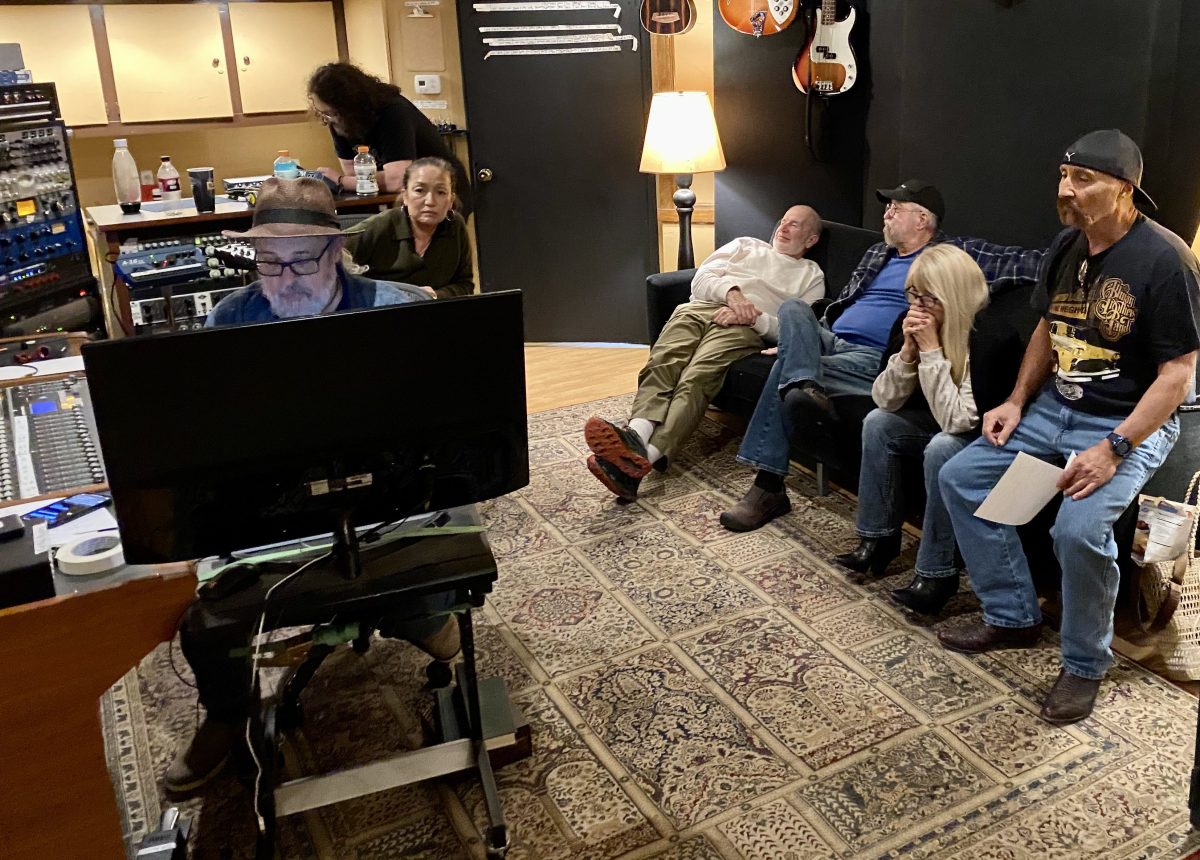


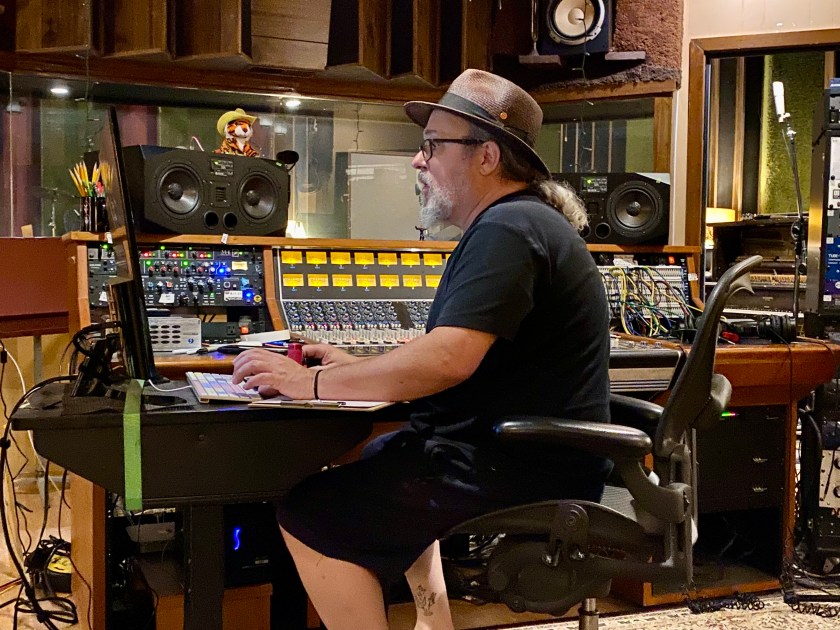


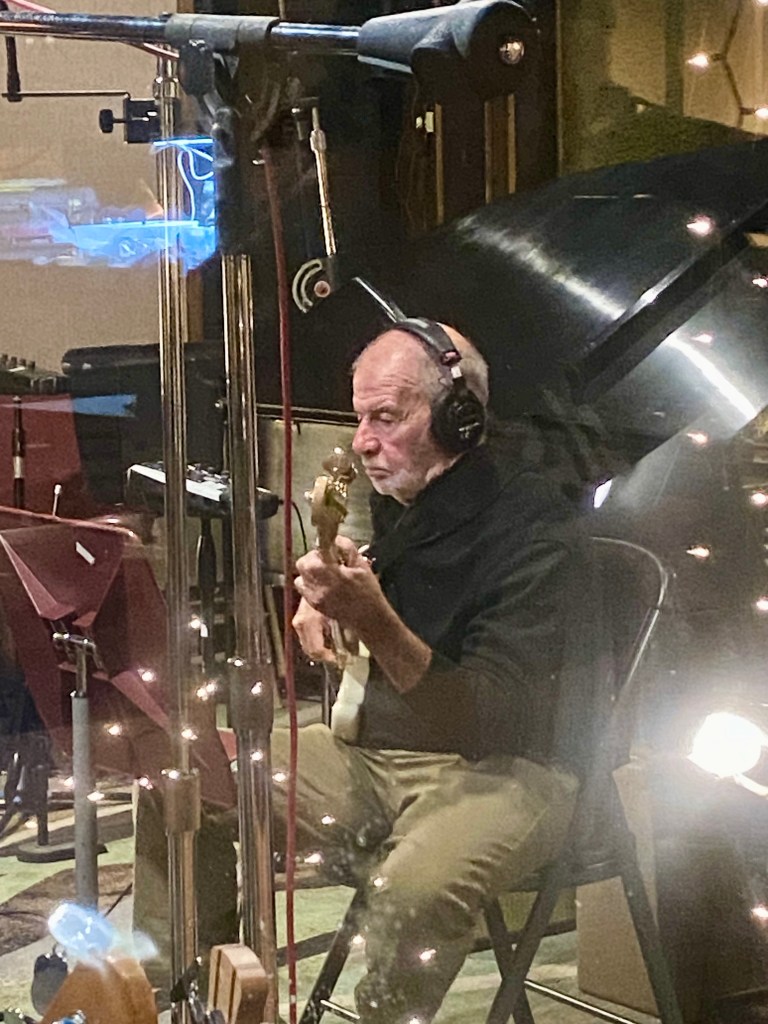
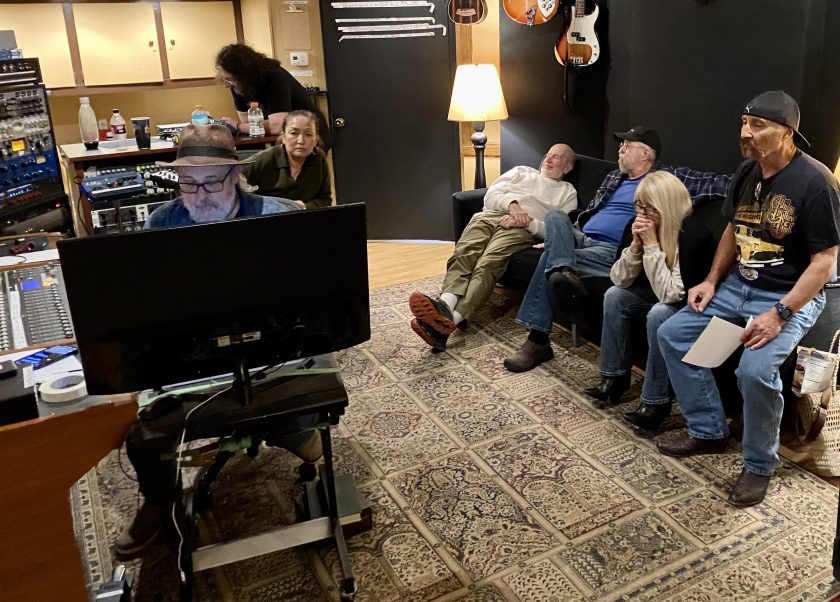

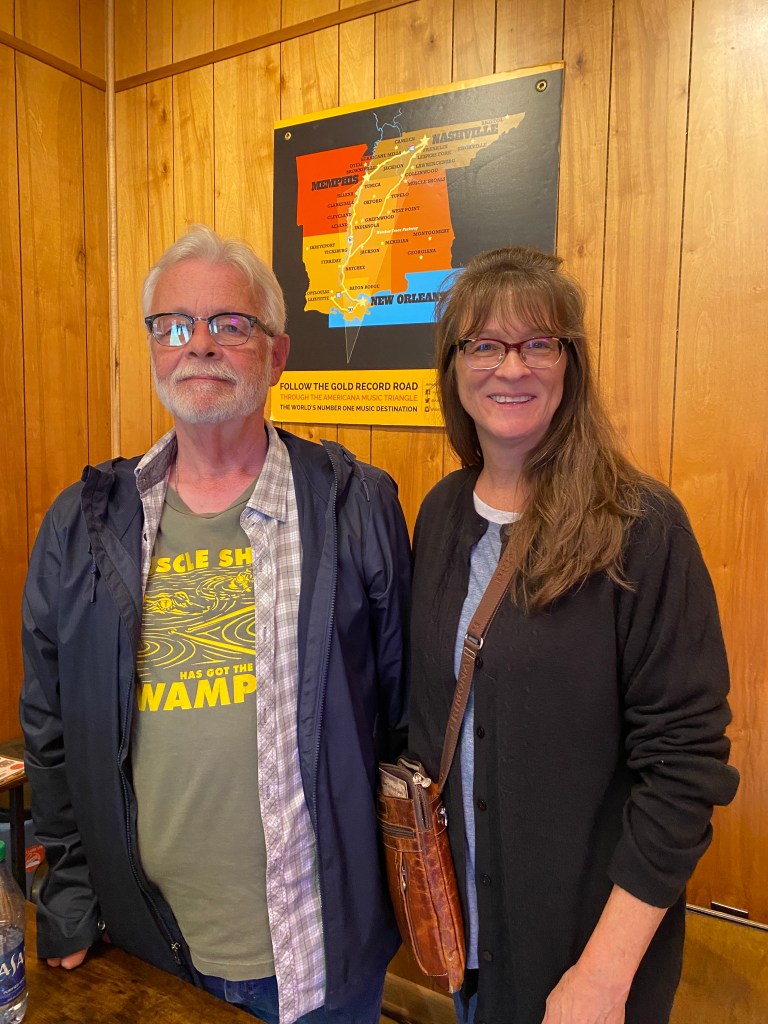

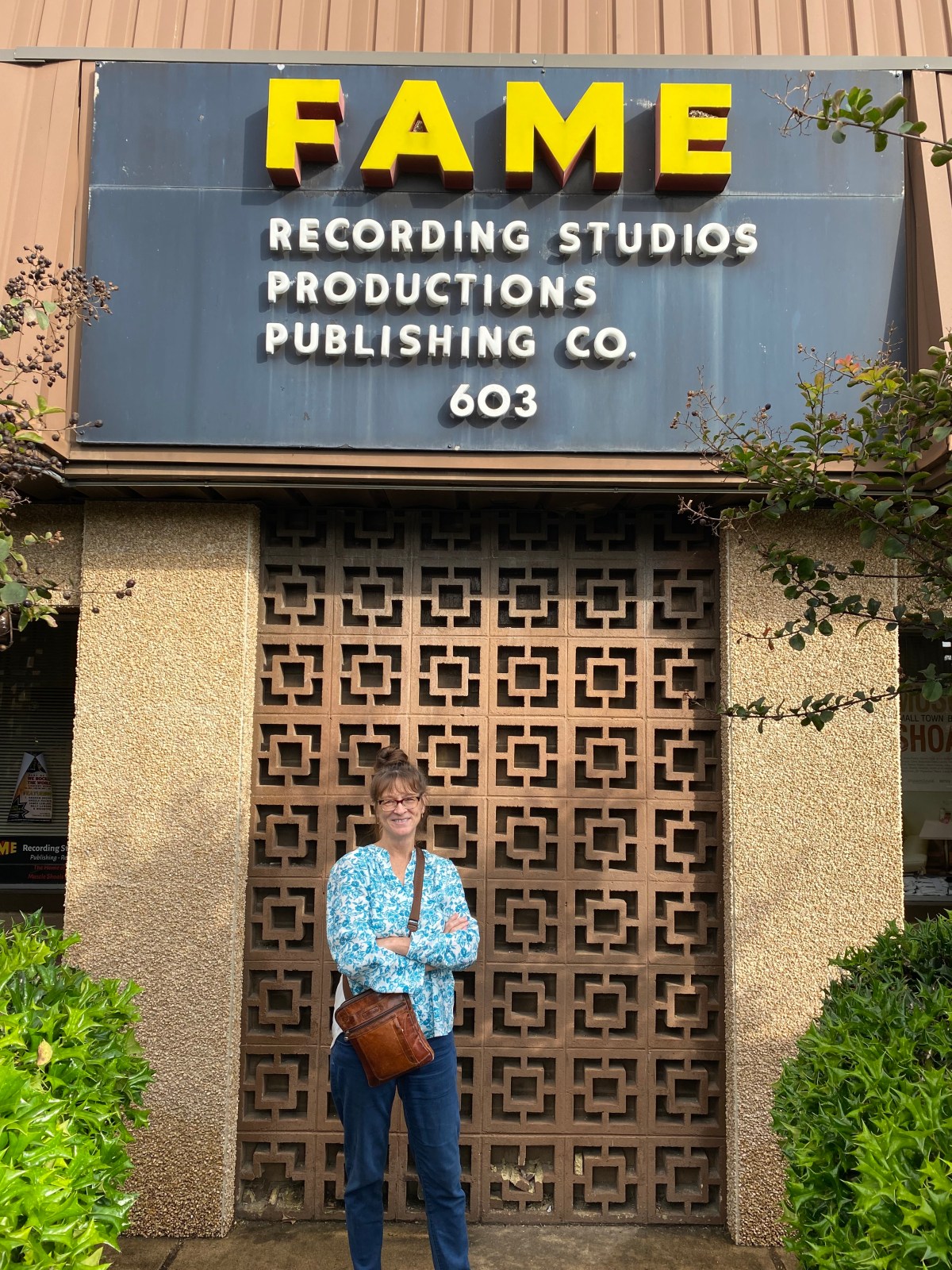


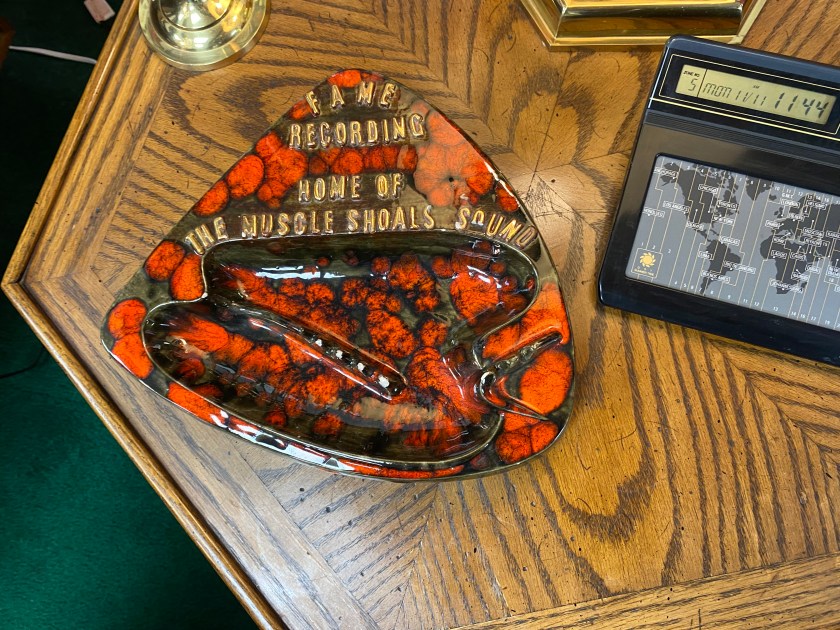
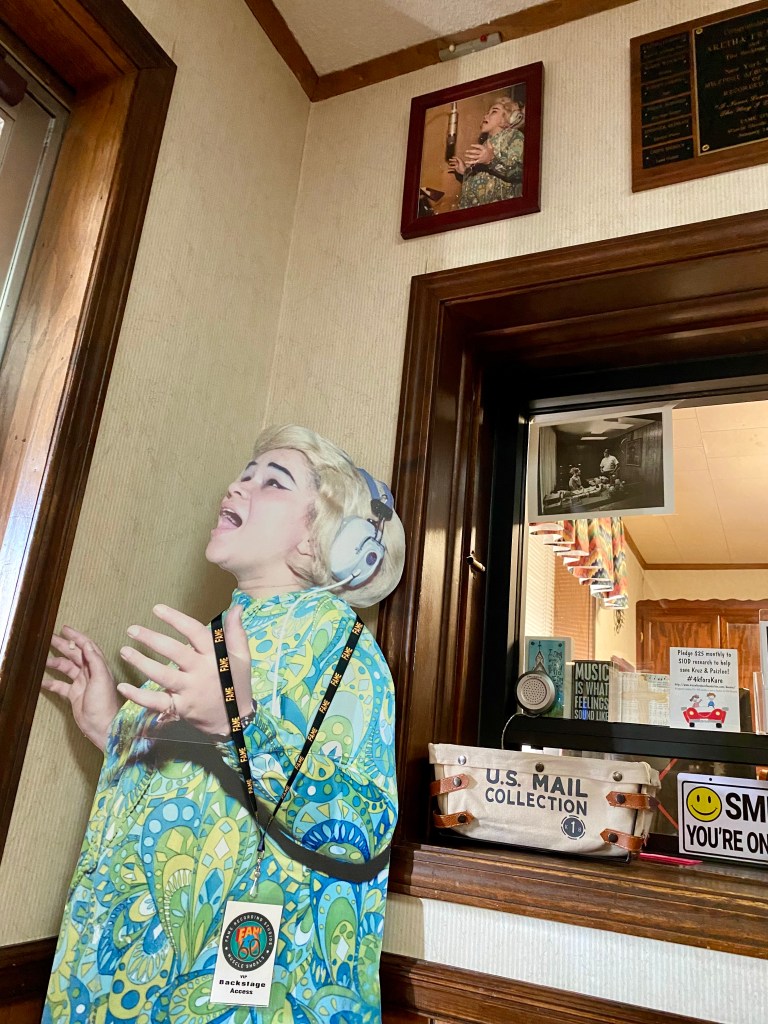


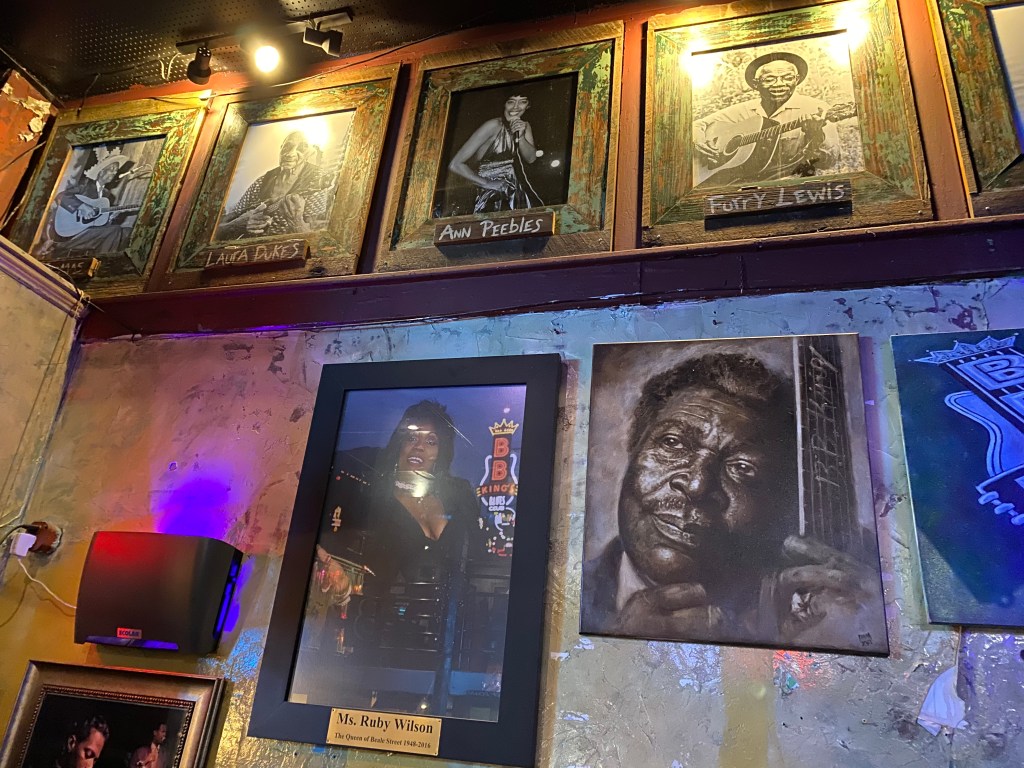
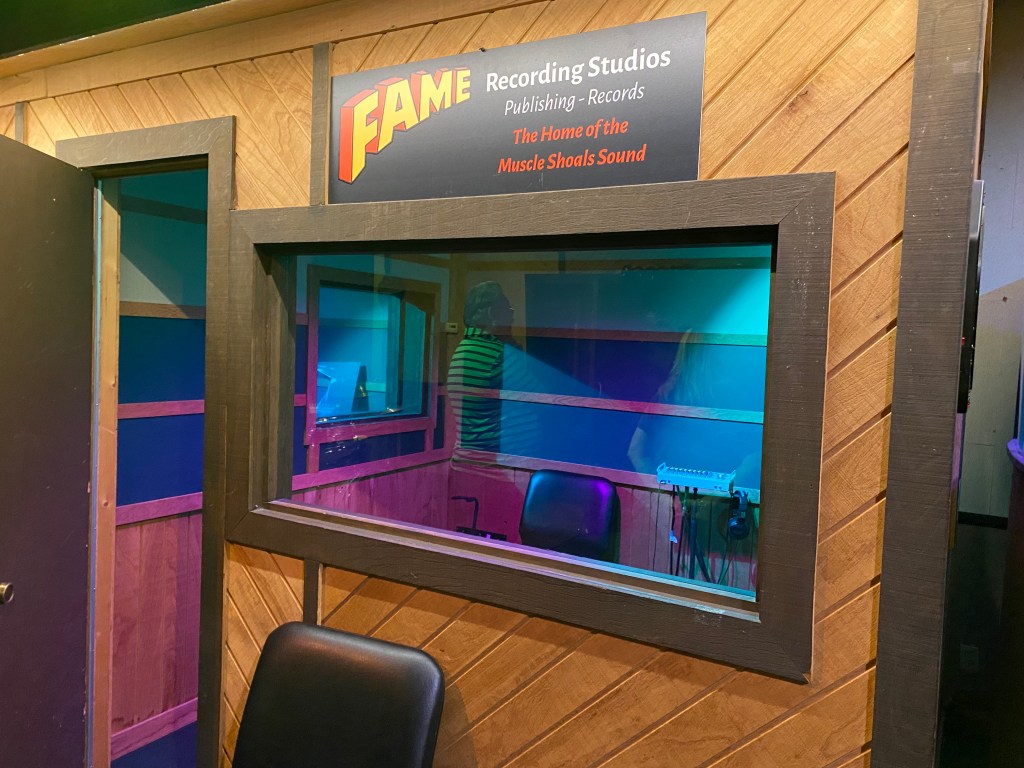

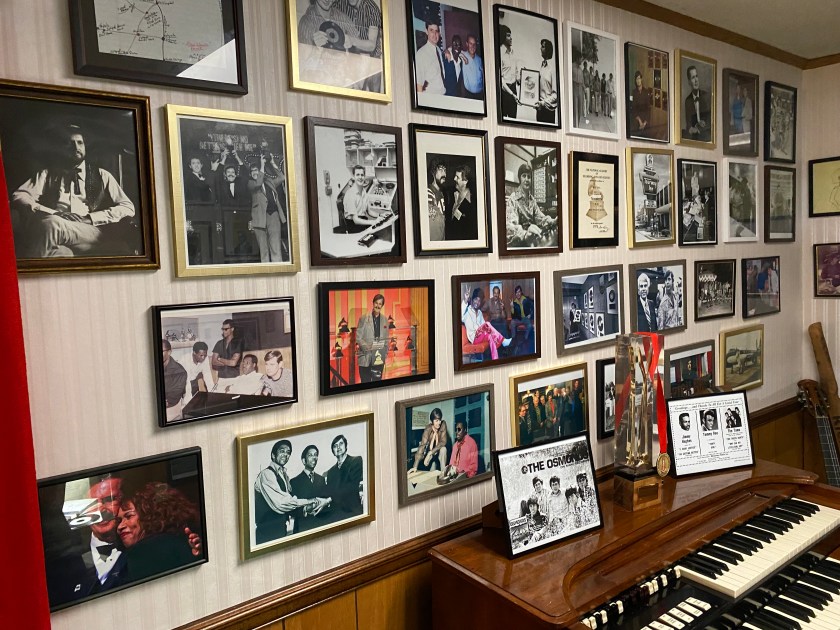


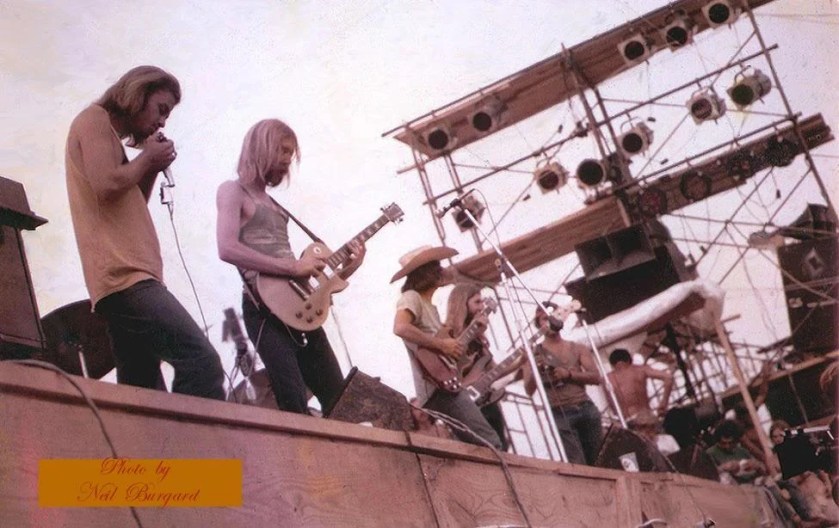

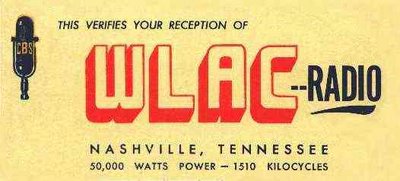

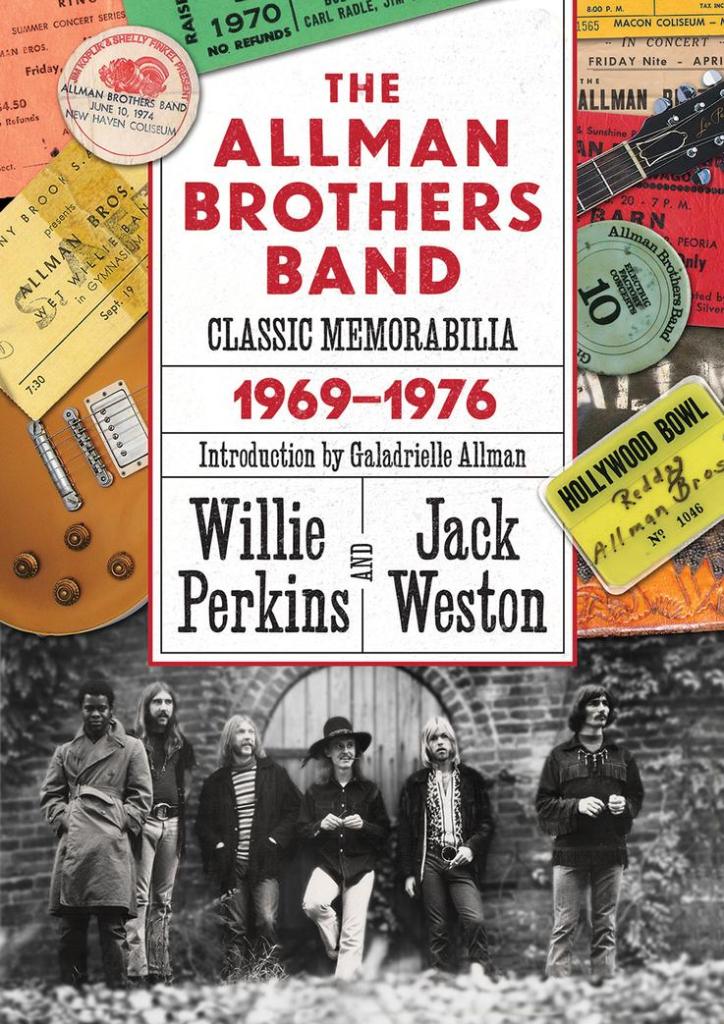
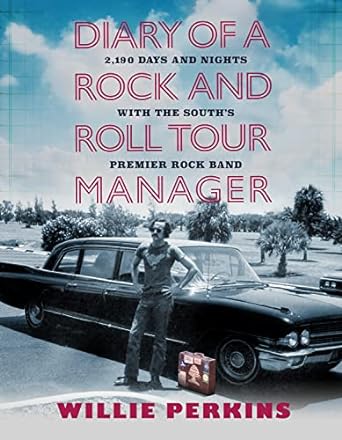
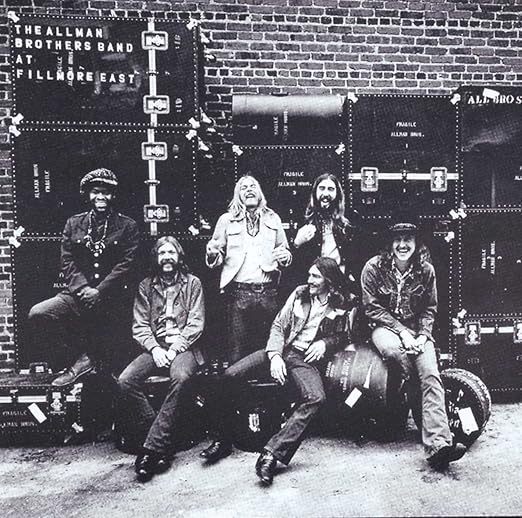


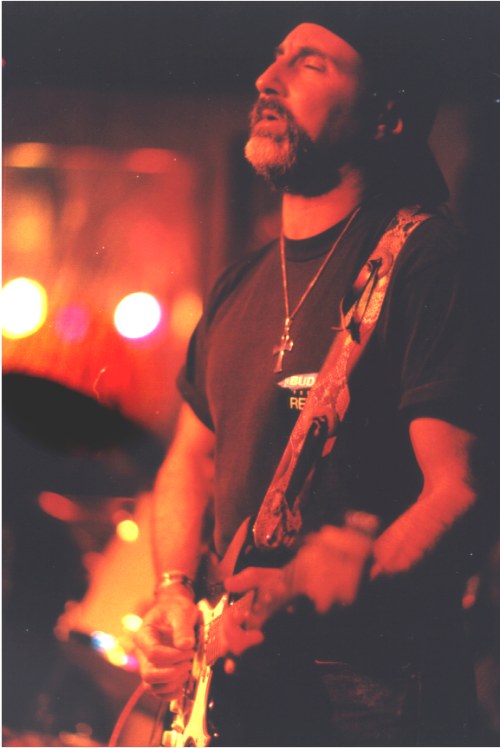
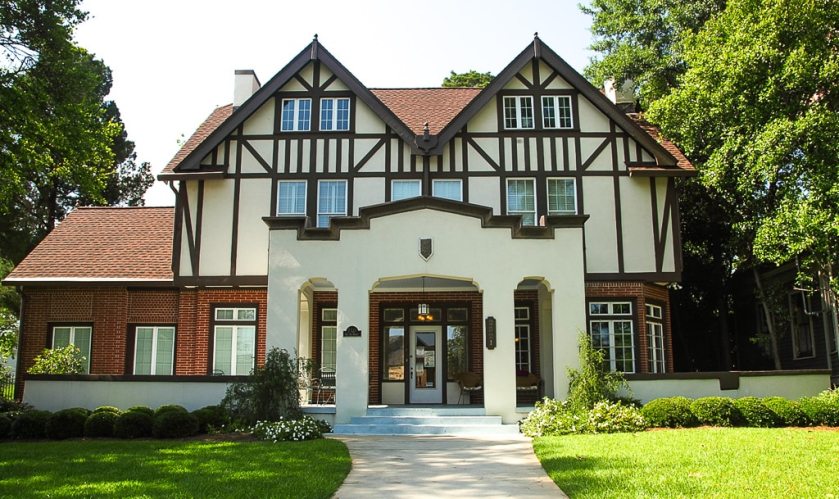





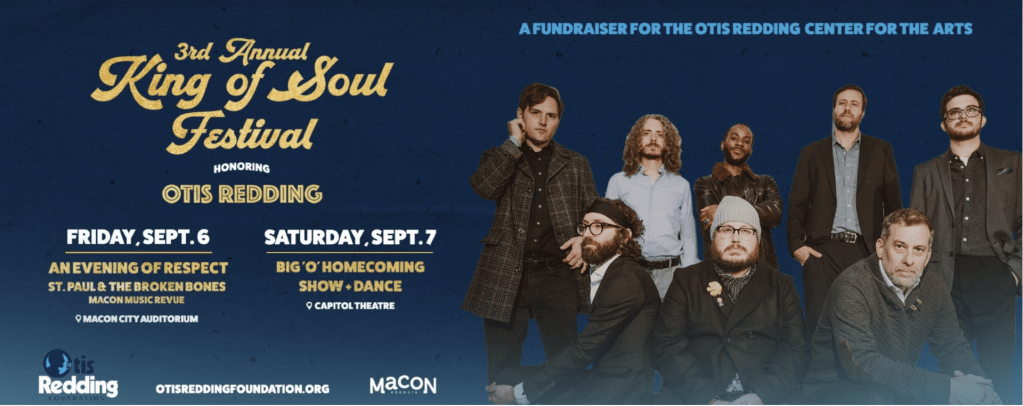
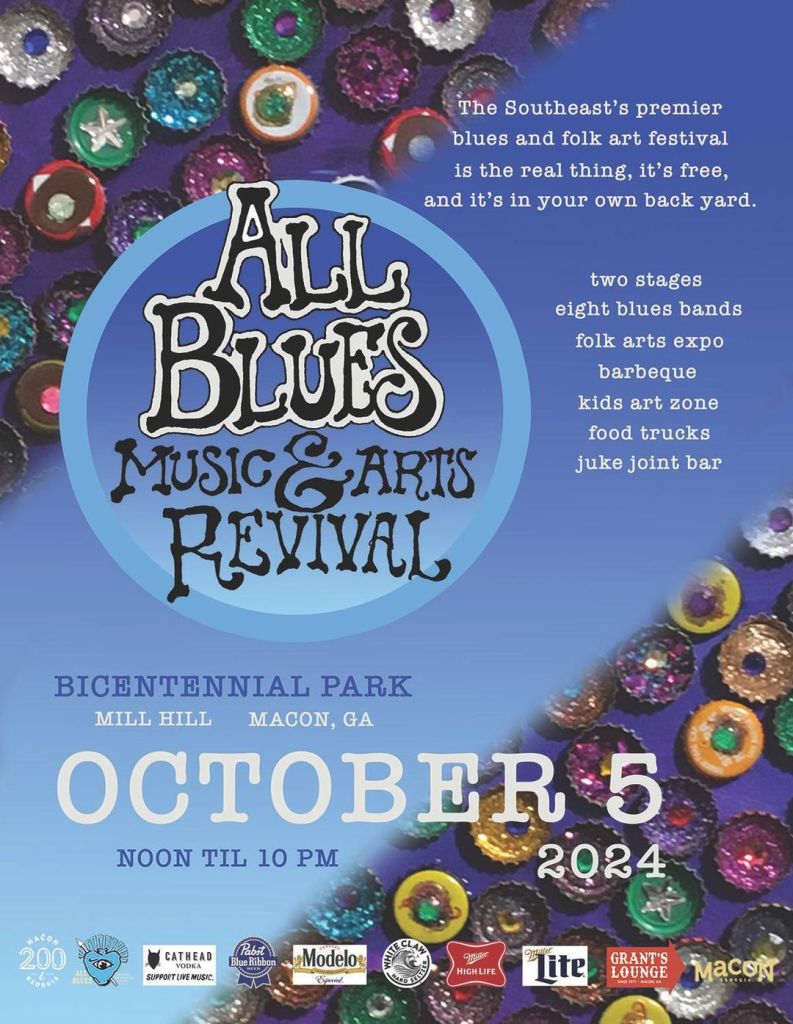
 Cre8-Space