
The Ultimate Creative Space
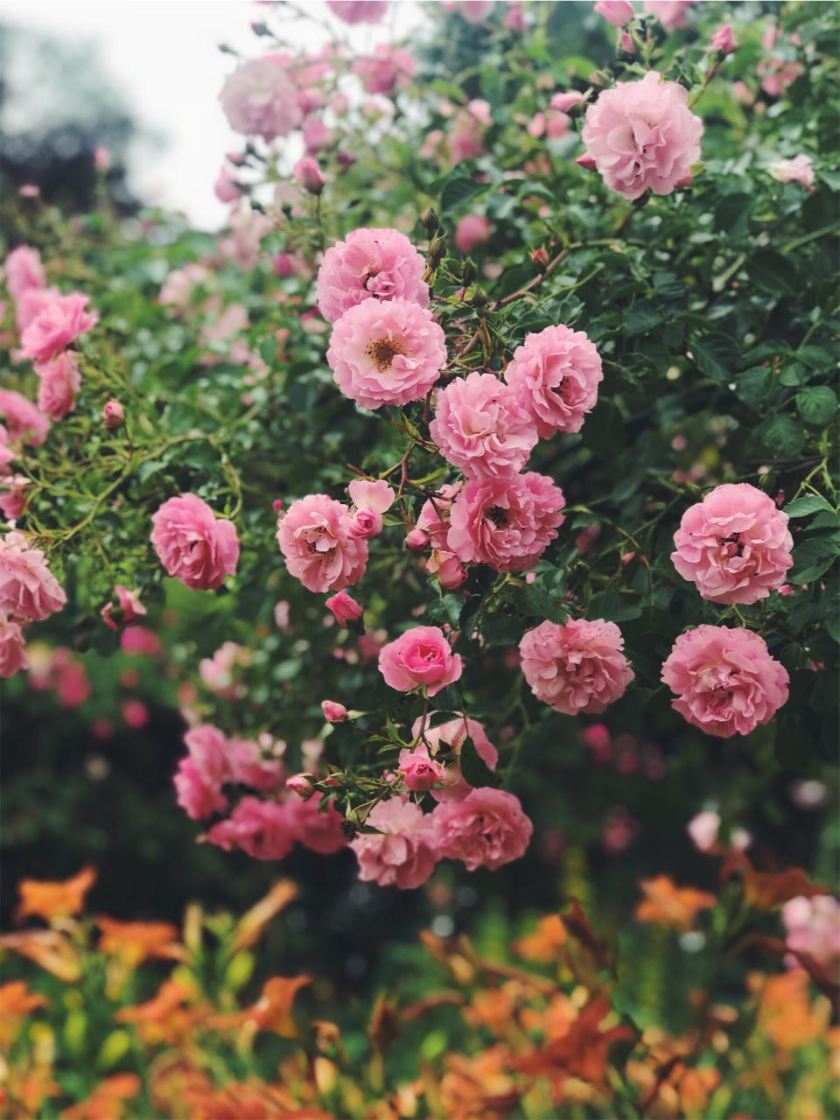
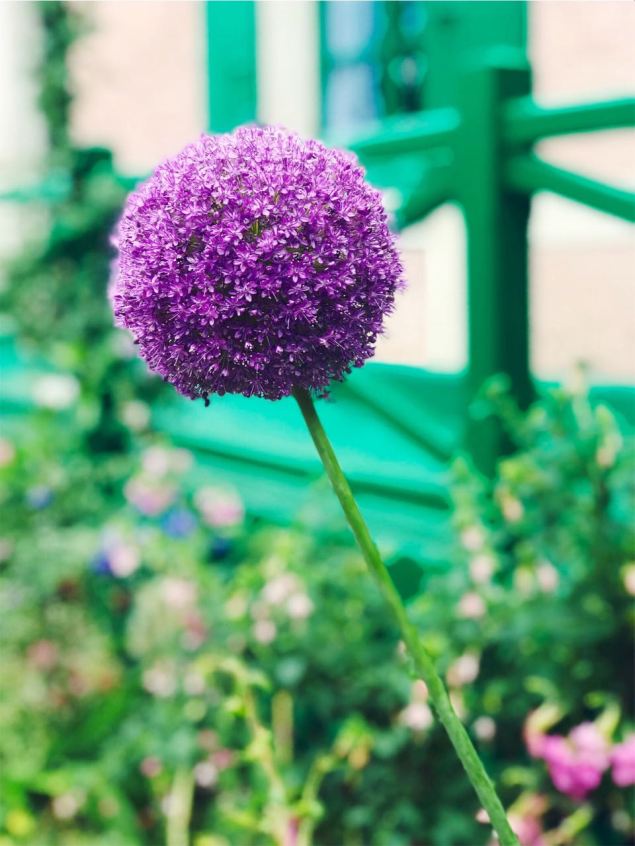
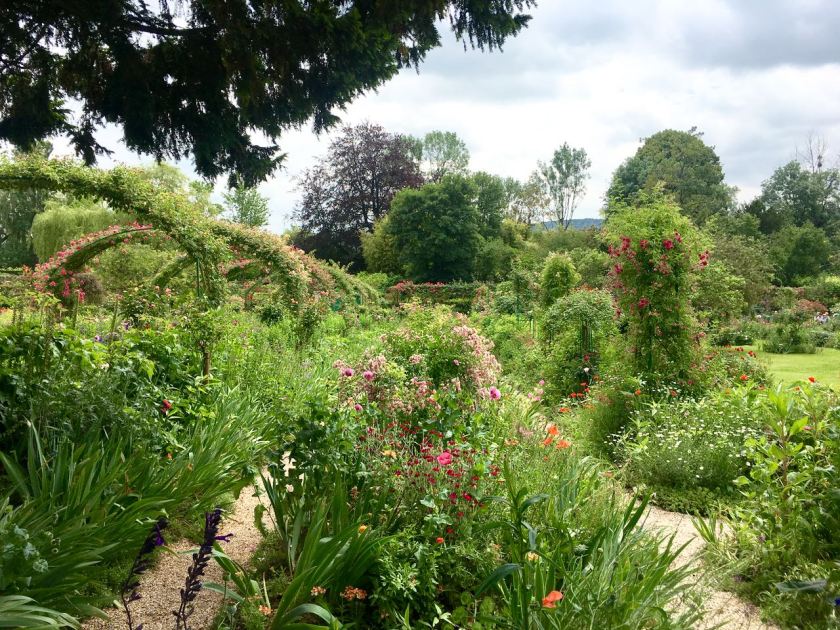
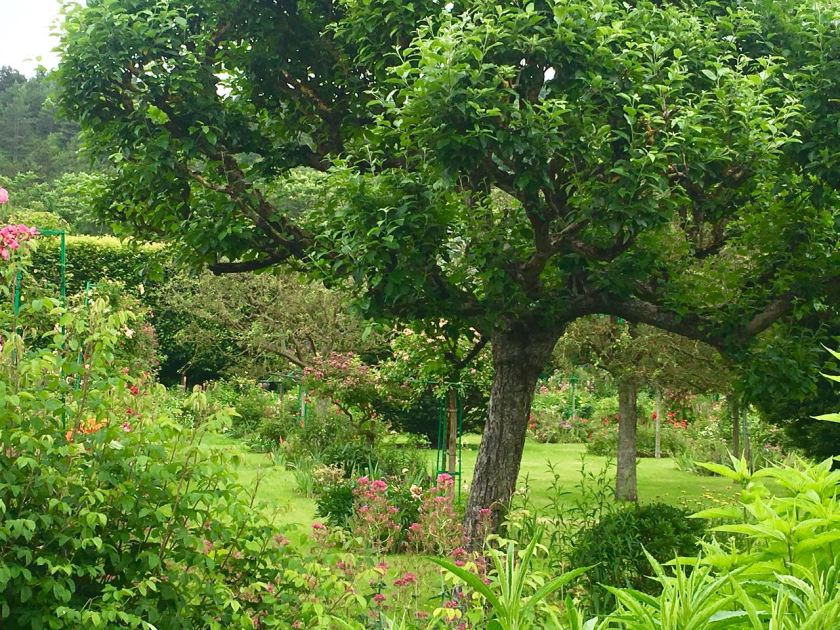
Claude Monet (1840 -1926) is known around the world for his impressionist paintings, especially of his garden and waterlily pond, but he also strategically planted specific-colored flowers in his gardens, essentially “painting” the landscape in front of his home in the tiny village of Giverny, France, about an hour’s drive northwest of Paris.
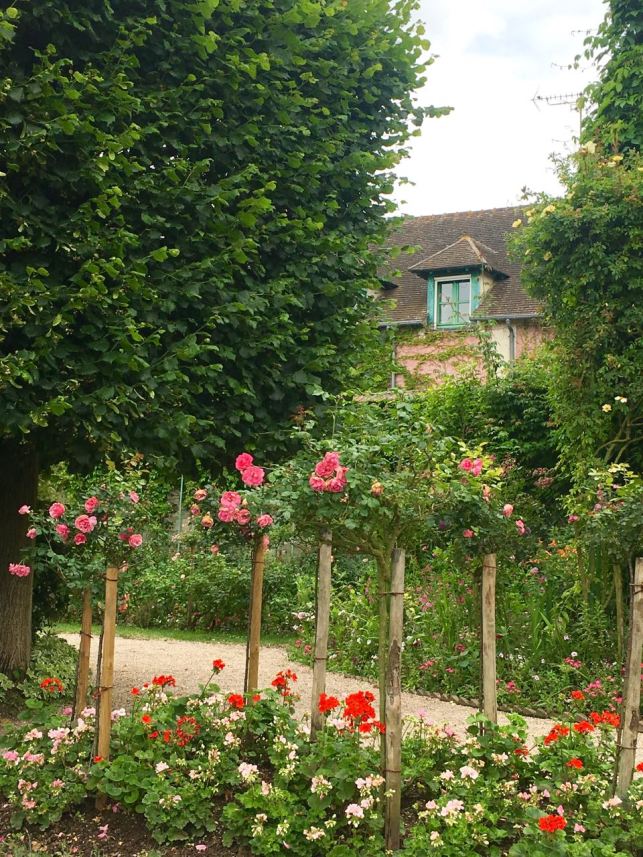
Monet grew his flower garden like a florist arranges a vase of flowers, based on colors and shapes, carefully choosing flowers for spring, summer and autumn. For winter, he got his fill of flowers by visiting orchids in his greenhouse.


From the age of 43 until his death 40 years later, Monet obsessed over the garden and pond which, combined, comprised nearly five acres of common and exotic plants from around the world. (Monet favored single flowers and his favorite of all was the single-flowered “mermaid” rose in yellow, which he grew under his bedroom window.)
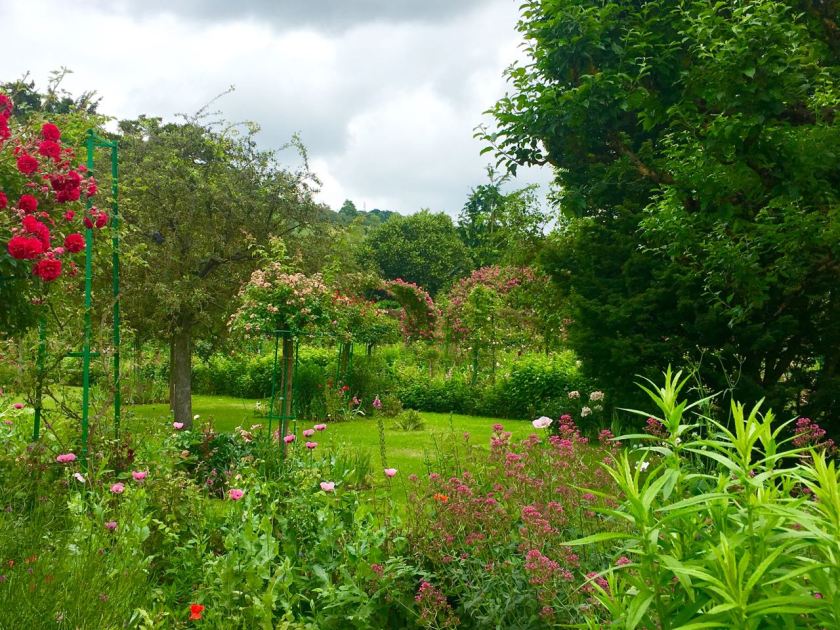
Eventually six gardeners would be on hand to help Monet “paint” his landscape with flowers. His gardens became his living studio, so he no longer had to trek into the countryside to paint plein air, which is what made the Impressionist painters and their paintings unique.

“Impressionist paintings take a fleeting moment and wrap it in light and mood and emotion,” writes Matt Brown in Everything You Know about Art is Wrong. The fuzzy paintings of early French Impressionists like Monet, Degas (1834-1917), Pissarro (1830-1903), Renoir (1841-1919) and Sisley (1839-99) were roundly criticized and mocked with descriptions of “intolerable monstrosities,” “ridiculous and horrible” and “victims of an unlucky disease.”
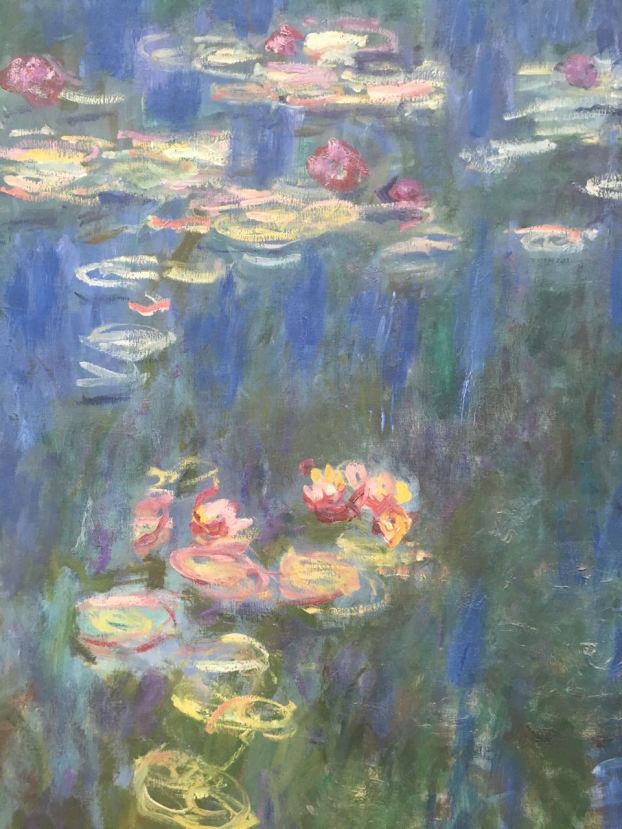
Matt Brown believes impressionist paintings are now so respected and loved “they might even be considered among the finest achievements of our species.”
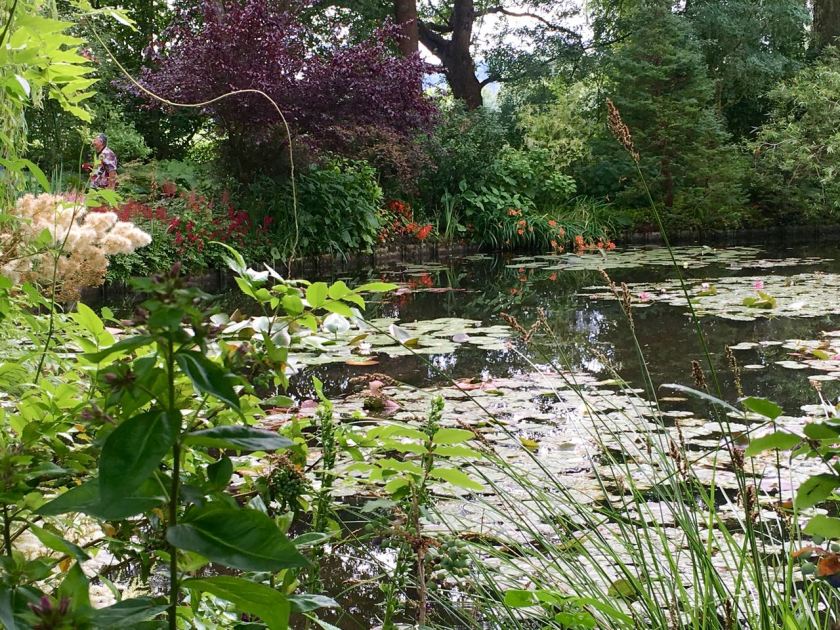
As for the pond, Monet hired a special gardener who would row a little boat around early in the morning (before Monet started painting) to clean up algae and groom the lily pads to grow in visually-pleasing circular clumps.
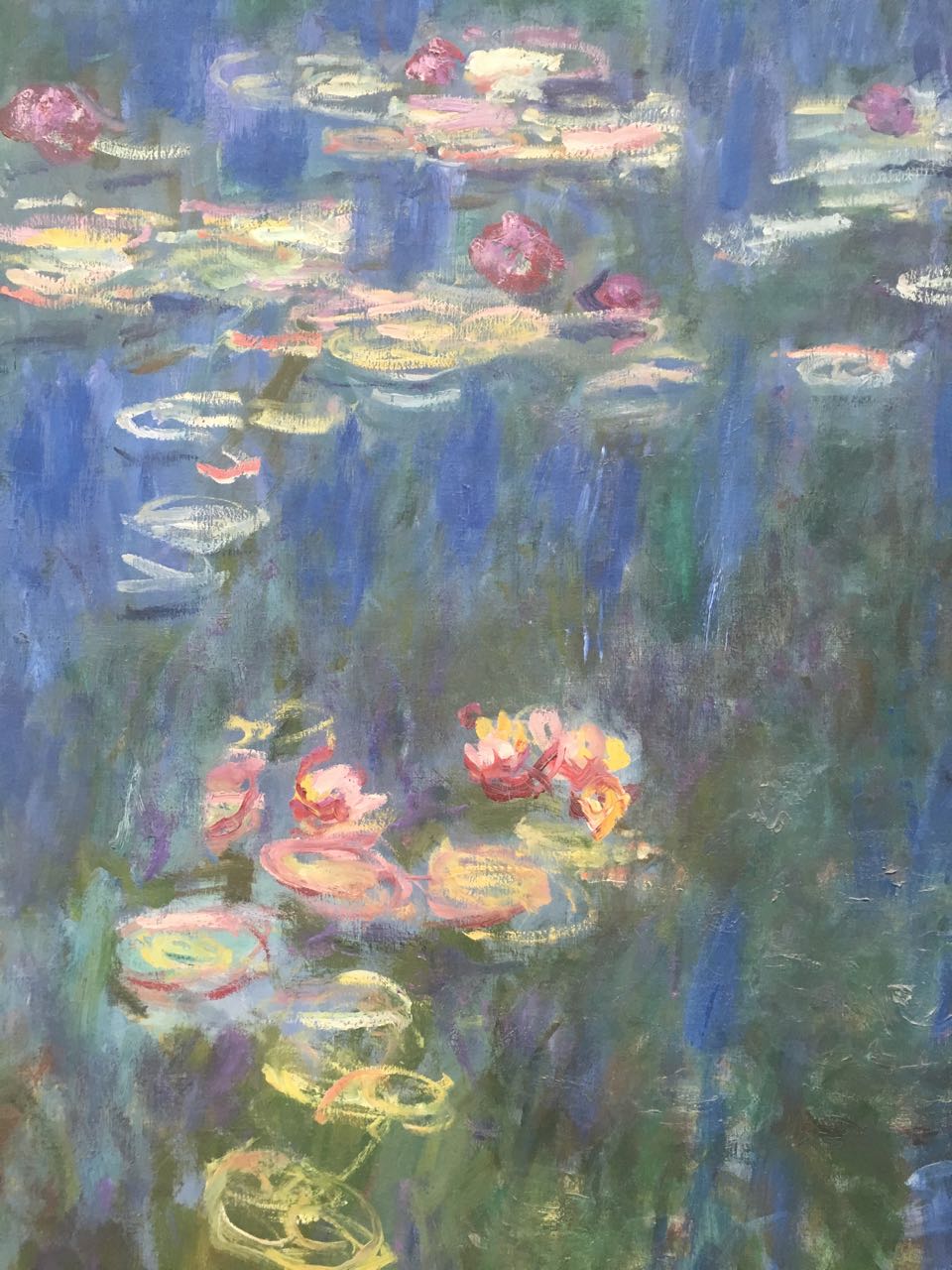
His waterlily paintings blew the minds of folks in his day. They were used to tranquil pastoral settings composed as seen; land and sky. Monet’s waterlily paintings had no setting, no pond’s edge or sky to compose a nature scene. He simply put his pond border to border and rocked the art world.
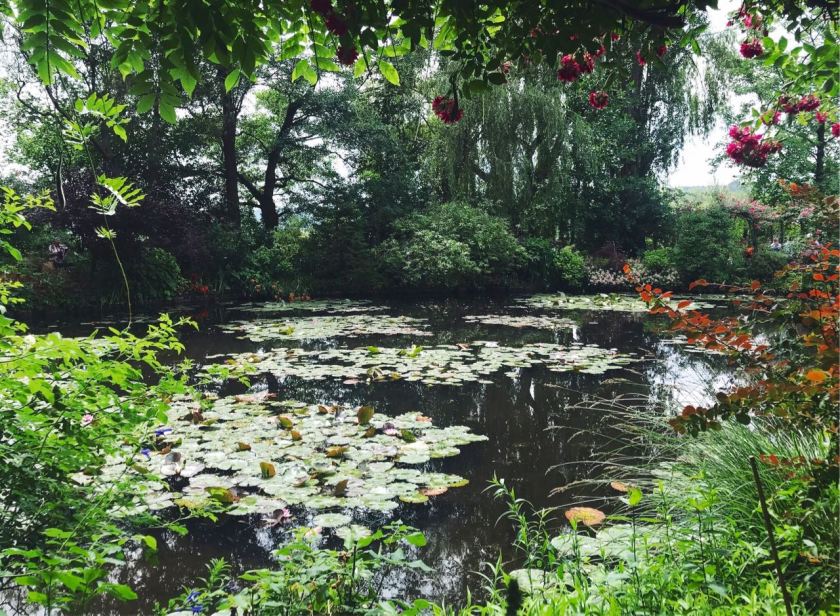
Monet considered his gardens his greatest masterpiece. In 1907, Marcel Proust wrote:
“If I can someday see M. Claude Monet’s garden, I feel sure that I shall see something that is not so much a garden of flowers as of colors or tones, less an old-fashioned flower garden than a color garden, so to speak, one that achieves an effect not entirely nature’s, but it was planted so that only the flowers with matching colors will bloom at the same time, harmonized in an infinite stretch of blue or pink.”
That’s exactly what Proust would have seen.

These days, the little country road that separates the front yard from the pond has a tunnel underneath so guests can easily and safely move between the two distinct gardens.
On the June 2018 day we visited, a gardener was quietly rowing around the pond, skimming debris and making the surface of the water like a mirror, just as Monet would have liked. In front of the house, men and women were putting out plants and grooming others in a never-ending homage to Monet for visitors from all over the world to enjoy.
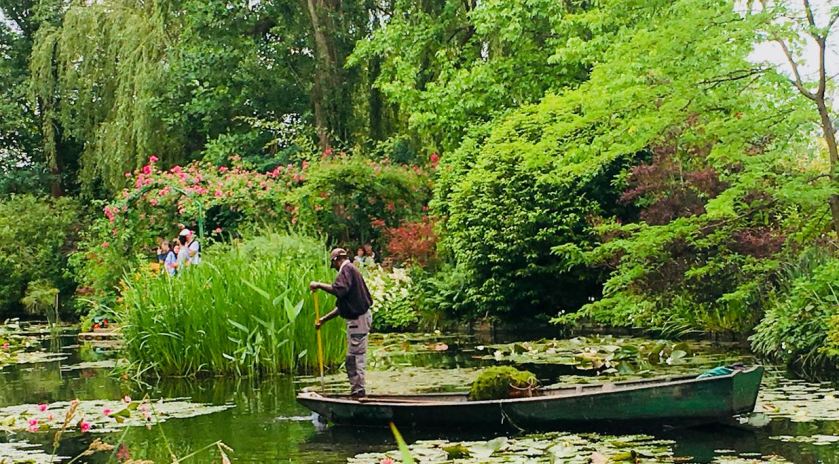
People speaking many languages mingled around the garden and pond paths, posing on the arched, green Japanese bridge. Groups of school children, some as young as four or five, were led through the house, garden and around the pond. Perhaps one day these little ones will be inspired to become gardeners, landscape architect or even artists. After all, culture and the arts are France’s most prized possessions.

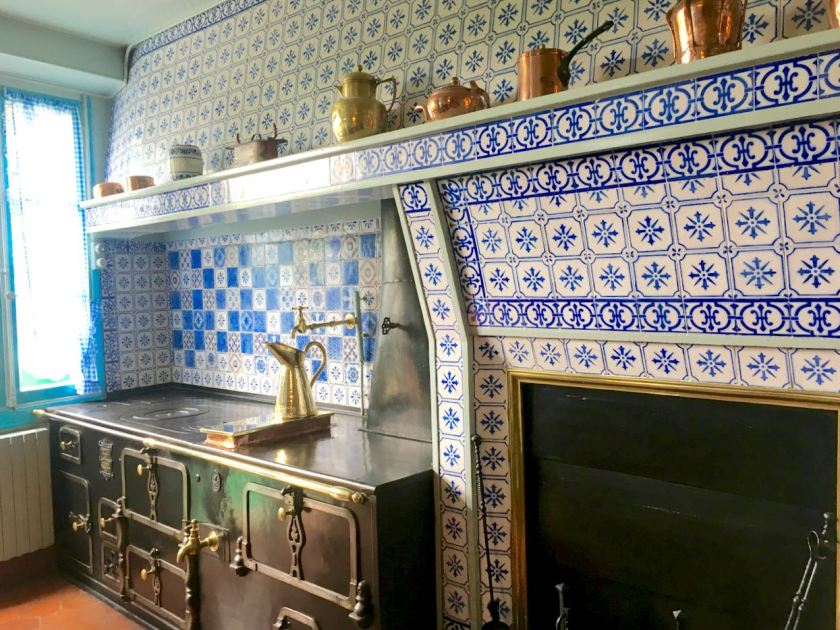
The house, with a verdant hill sloping up behind, is very wide, but only one room deep, and Monet’s use of color throughout seems whimsical, which is why photos of the home’s interior are included below.

Musee de L’Orangerie
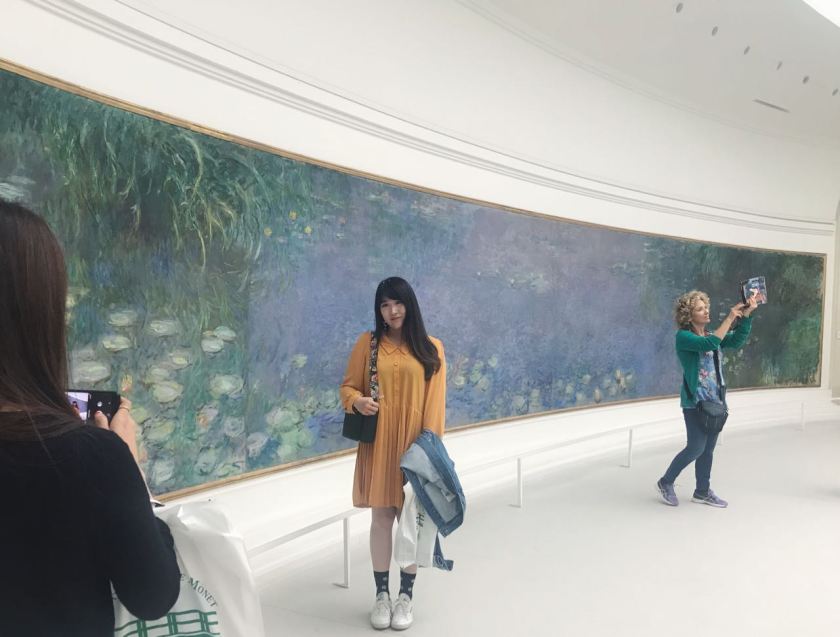
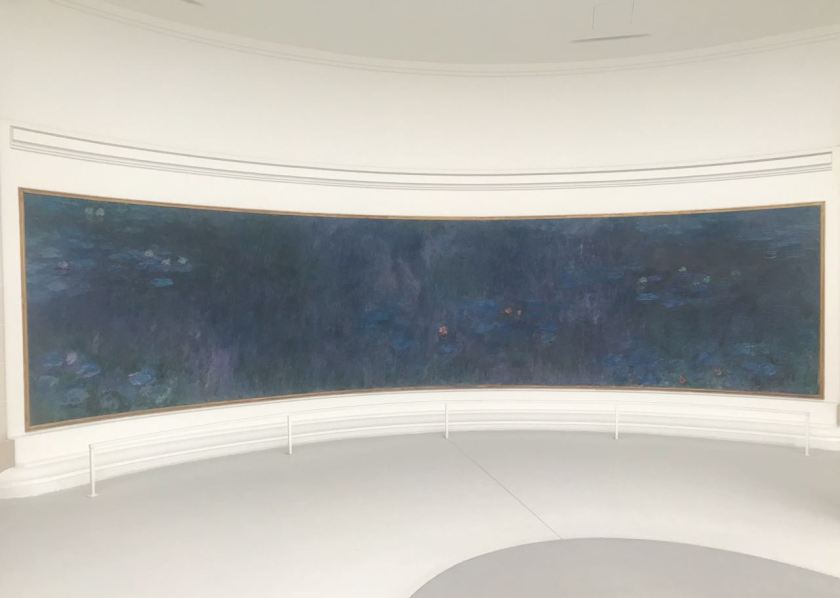
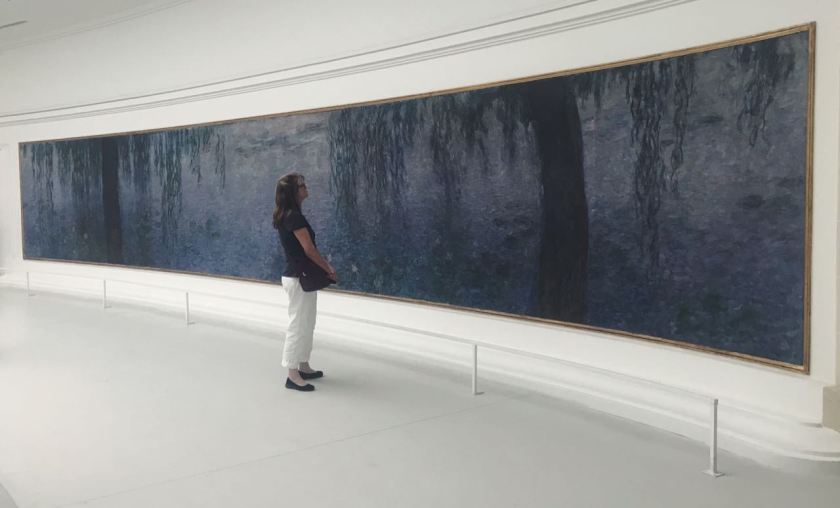
Before his death, Monet worked with the Musee de L’Organgerie in Paris, very close to the Louvre, to create the perfect display for eight of Monet’s massive waterlily paintings. He finally decided on elliptical walls. Here are a few excellent photos taken by my daughter Jaime of the giant paintings on display in two elliptical-shaped rooms at Musee de L’Orangerie.
Monet in Motion
Watch Monet at age 74 painting at his lily pond. The only known footage of Monet, the film was shot in the summer of 1915 by French activist and dramatist Sacha Guitry.
The Garden

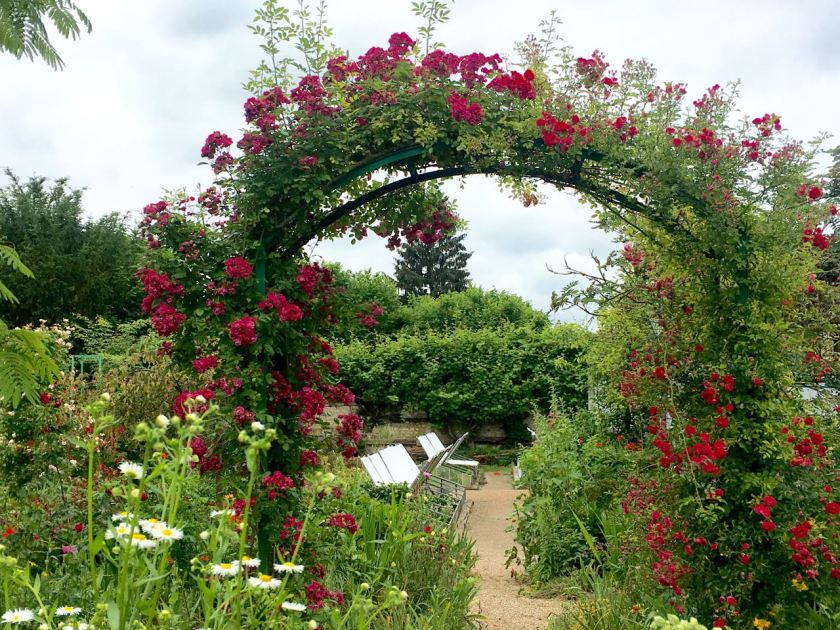
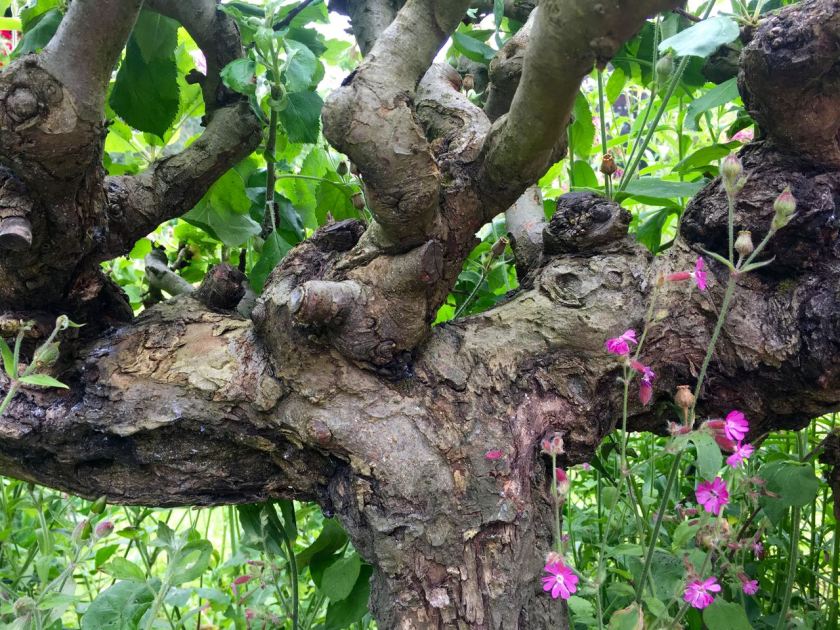


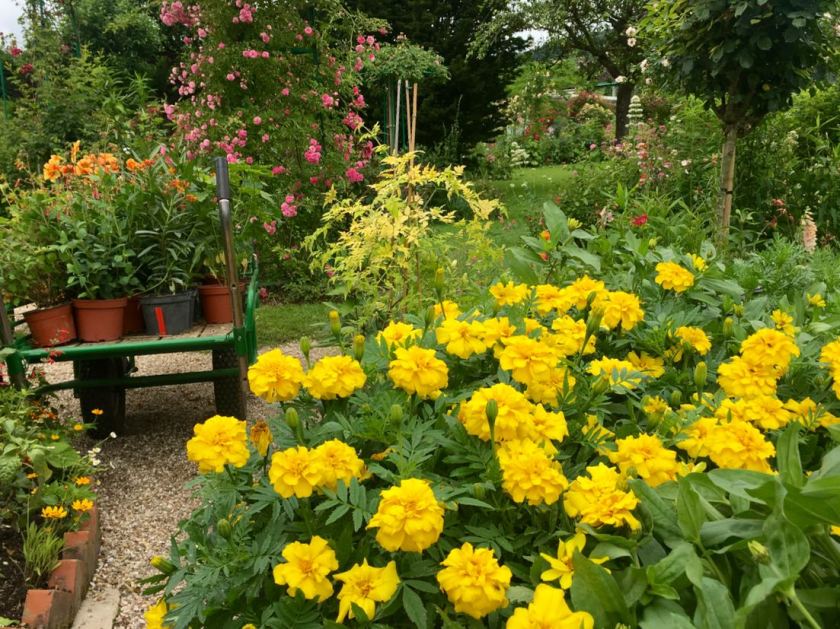
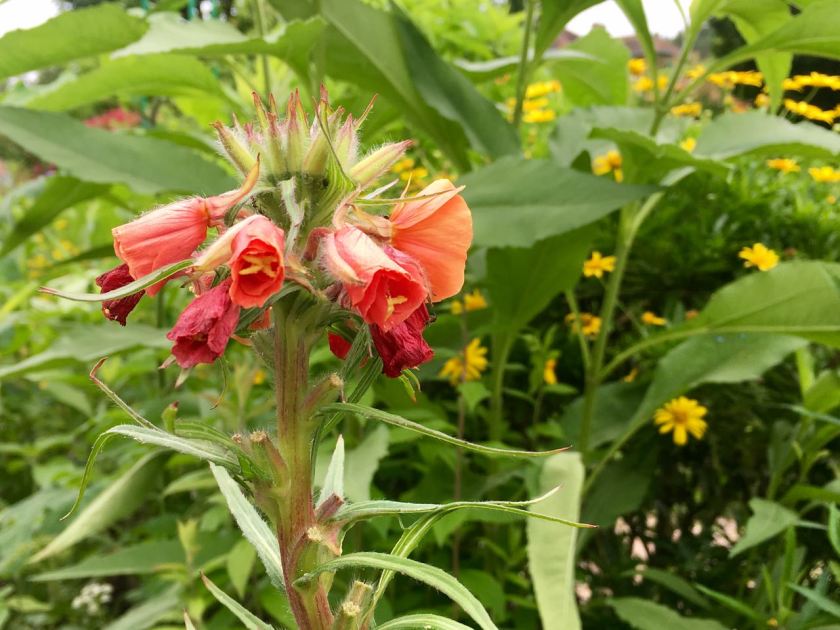
The Pond




The House




Share this:


 Cre8-Space
Oh my goodness. Thank you for this stunning post! The photos are amazing – I’ll be reading and visiting the pictures again and again.
LikeLike
Thank you, Susan!! My hope is that the photos bring a little peace to readers so I’m thrilled you’ll visit them again. I just want to dive into each one and relive being there. Gardens, and nature, as you well know, nourish us! Hope you have a nature-filled day!
LikeLike